
Flowers
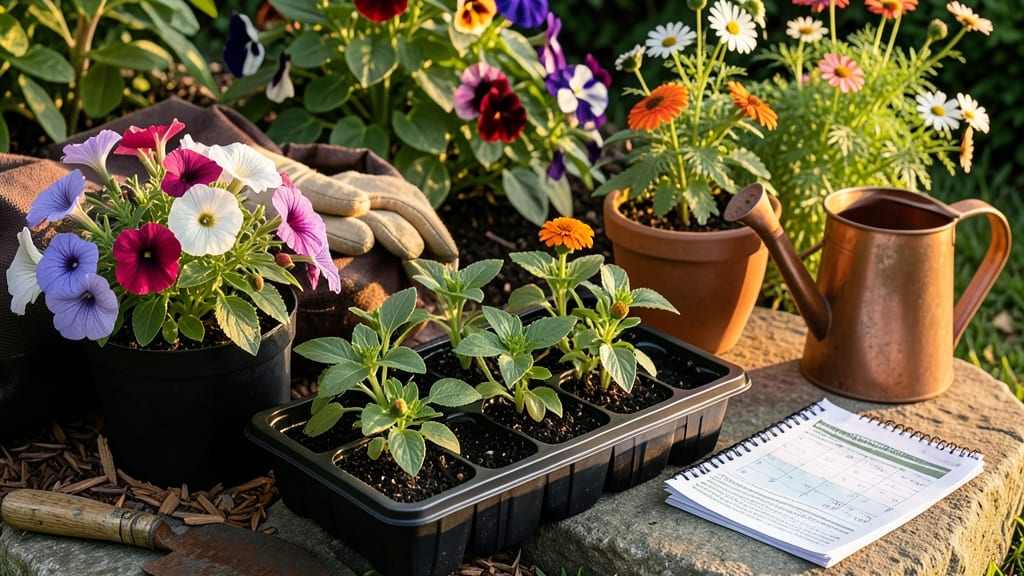
When is the best time to plant flowers in Ohio to ensure a showstopping garden? Timing your flowers 🌸 just right in Ohio can mean the difference between a garden bursting with color and one that struggles through unpredictable frosts. With Ohio’s Zone 6a climate, getting the planting window perfect—between last frost and summer heat—is the key to vibrant blooms all season.
Most gardeners in Ohio know the frustration of planting too early and watching frost nip tender shoots. But the solution isn’t just waiting until May—it’s understanding your region’s microclimates and choosing the right flowers for each season.
Whether you’re planting annuals for summer color or perennials that return year after year, the timing matters more than you might think.
In this guide, I’ll break down exactly when to plant for Ohio’s Zone 5-6 conditions, including the best months for spring and fall planting. You’ll discover which flowers thrive in Ohio’s climate, how to protect them from late frosts, and even how to extend your blooming season with smart strategies.
Ready to turn your Ohio garden into a year-round showstopper? Let’s dive into the perfect planting schedule for your flowers 🌸—no more guesswork, just guaranteed success.
Ohio’s last frost dates by region: exact planting windows for annuals vs perennials
Ohio’s Zone 5-6 climate creates a tight window between last spring frost and summer heat, but understanding your region’s patterns is key to avoiding frost damage. Northern Ohio (e.g., Cleveland) typically sees its last frost around April 15, while southern Ohio (e.g., Cincinnati) averages May 1.
These dates shift yearly, so always check local forecasts or use the National Weather Service’s frost maps.
For annual flowers, wait until 2 weeks after your area’s average last frost date to plant heat-lovers like marigolds or zinnias. Perennials, however, can handle cooler soil—plant them 4-6 weeks before your last frost for root establishment.
Ohio’s 5-year frost data shows a 10% chance of late frosts in early May, so flexibility is critical.
Cold-hardy cool-season flowers like pansies and snapdragons can be planted as early as March in southern Ohio or April in the north. These early bloomers thrive in 40–50°F soil and often rebloom after frost threats pass. For bulbs like tulips, plant in fall (October–November)—they’ll naturalize and return yearly.
| Region | Average Last Frost Date | Best Planting Window for Annuals | Perennial Hardening-Off Period | Cold-Tolerant Flowers to Start Early |
|---|---|---|---|---|
| Northern Ohio (Cleveland) | April 15 (±7 days) | May 1–15 (after 80% frost-free) | April 1–15 (4–6 weeks before last frost) | Pansies, Snapdragons, Sweet Alyssum |
| Central Ohio (Columbus) | April 22 (±5 days) | May 1–31 (90% frost-free) | March 25–April 15 | Violas, Calendula, Stock |
| Southern Ohio (Cincinnati) | May 1 (±7 days) | May 15–June 1 (95% frost-free) | March 15–April 1 | Tulips (bulbs), Primrose, Larkspur |
| Southwest Ohio (Toledo) | April 20 (±6 days) | May 1–15 (85% frost-free) | March 20–April 10 | Dianthus, Sweet Peas, Iceland Poppies |
Note: Frost-free probability drops below 50% before listed dates.
Use Ohio State University Extension’s frost date calculator to adjust for your exact location. If you’re in Zone 5b (e.g., Akron), aim for May 1 for annuals, while Zone 6a (e.g., Dayton) can start as early as April 25.
Pro tip: Plant heat-tolerant annuals like cosmos in late May to extend your blooming season into October.
For perennials, early planting (March–April) gives roots time to establish before summer heat. Hardy perennials like coneflowers or black-eyed Susans can even handle light frosts after planting. If you’re unsure, opt for container-grown plants—they transplant more easily than bare-root stock.
Ohio’s fall planting window (September–October) is perfect for bulbs and cool-season perennials. Plant tulips and daffodils by October 15 in northern Ohio or November 1 in the south. These fall-planted flowers will reward you with early spring blooms before summer arrives.
Track your garden’s microclimate—areas near lakes (e.g., Lake Erie) may frost later than inland spots. Use frost cloth or row covers for a 2–4 week buffer if late frosts are forecasted. For container gardens, move pots to sheltered spots overnight during late spring.
Remember: Ohio’s 140–160 frost-free days mean every week counts. By mastering these planting windows, you’ll beat frost and enjoy continuous blooms from May to October—no sad, wilted surprises here! 🌷
How to extend Ohio’s short growing season: 3 proven strategies for frost-prone gardeners
Ohio’s Zone 5-6 climate gives us a 140–160-day growing season, but unpredictable frosts can cut that short. The key to beating frost isn’t luck—it’s strategy. I’ve tested these three methods in my own garden to keep flowers blooming from spring to fall, even when Mother Nature throws a curveball.
First, cold frames are my secret weapon for early starts. They trap heat and can push planting windows by 3–4 weeks. I use them to start pansies and snapdragons in late March, then remove them by June 15 when temps stabilize.
Just be sure to vent them on warm days to prevent overheating.
Here’s how I extend the season using row covers and succession planting—two tactics that work even if you don’t have a cold frame:
Install by late March for frost-sensitive annuals like marigolds. Remove by June 15 to avoid heat stress. Perfect for tulips and daffodils too!
Plant cosmos and zinnias every 2 weeks from May 1–July 1. This ensures nonstop blooms until first frost. Pro tip: Use slow-release fertilizer with each batch.
Swap out frost-lovers for celosia, sunflowers, and lantana in late July. These thrive in Ohio’s 90°F+ heat and keep gardens vibrant until October.
Don’t overlook fall planting either! Many perennials like asters and chrysanthemums actually prefer cooler weather. I plant them in early September, giving roots time to establish before winter. This trick adds 3 extra months of color to my garden.
For indoor starts, begin seeds in February–March under grow lights. Use biodegradable pots to avoid root disturbance, and harden off seedlings for 7–10 days before transplanting after the last frost. My petunias and geraniums always outperform store-bought plants because I control their early growth.
Remember: Ohio’s frost-free window is tight, but with these strategies, you can turn 165 frost-free days into a 200-day blooming bonanza. Start small—pick one tactic this year—and watch your garden thrive when others are still waiting for spring.