
Flowers
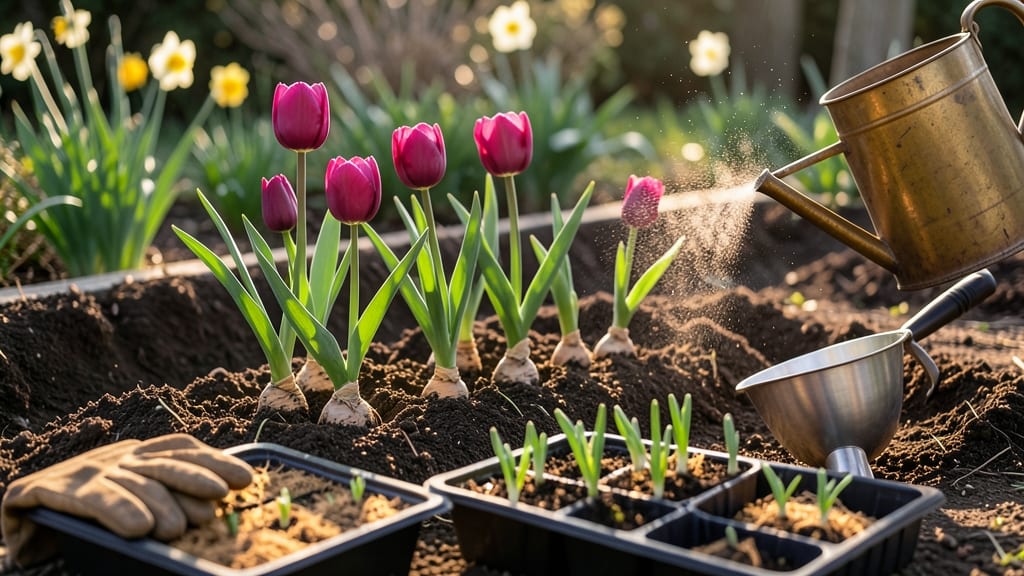
Timing your spring flower planting wrong can mean wilted dreams before the blooms even appear—but knowing your USDA zone and frost dates transforms guesswork into a thriving garden.
In Zone 6a, where I garden, April is the sweet spot after the last frost, but the exact moment depends on your specific microclimate and the type of 🌸 flowers you're planting.
Most gardeners wait until soil temperatures hit 50°F, but early bloomers like pansies can handle cooler temps, while heat-lovers like marigolds need warmer ground. The key is balancing patience with urgency—plant too early, and frost will strike; too late, and your summer blooms arrive late to the party.
I’ll break down exactly when to plant popular spring flowers, from cold-hardy bulbs to tender annuals, plus how to adjust if Mother Nature throws curveballs like late frosts. By the end, you’ll know not just when to plant, but how to give your flowers their best shot at success.
Whether you’re a first-time gardener or a seasoned pro, these tips will help you avoid common mistakes and enjoy a garden bursting with color—starting with the perfect planting window for your Zone 6a spring.
USDA Zone planting timeline: exact dates for spring flowers by region
Spring flower planting success starts with knowing your USDA zone—because a tulip planted too early in Zone 3 will freeze, while a marigold in Zone 10 might bolt if delayed.
Each zone has a frost-free date range that determines your window for planting annuals, perennials, and bulbs. Below, I’ve broken down the exact timing for Zones 3-10 so you can avoid frost damage and maximize blooms.
First, find your zone using the USDA Plant Hardiness Map—most gardeners fall between Zones 4-8. Then, use the last frost date as your anchor. For example, in Zone 5, last frost averages April 15, while Zone 9 sees its last frost around February 15.
Planting 6-8 weeks before your last frost date gives most flowers time to establish roots before summer heat.
🌱 Pro Tip: Use your local cooperative extension service for hyper-local frost data—some years can vary by 1-2 weeks!
| USDA Zone | Last Frost Date | Ideal Planting Window | Best Flowers for Zone |
|---|---|---|---|
| 3-4 | May 1 - May 15 | April 15 - May 1 (after soil thaws) | Pansies, Sweet Alyssum, Snapdragons |
| 5-6 | April 15 - April 30 | March 20 - April 15 (hardy annuals) | Tulips, Daffodils, Petunias, Marigolds |
| 7-8 | March 1 - March 15 | February 15 - March 15 (warm-season flowers) | Zinnias, Cosmos, Geraniums, Impatiens |
| 9-10 | January 15 - February 15 | January 1 - February 1 (year-round planting possible) | Begonias, Hibiscus, Orchids, Tropical Flowers |
For bulbs like tulips and daffodils, plant them in fall (6-8 weeks before frost)—they need cold to bloom. But annuals like marigolds thrive when planted after your last frost, while perennials can go in early spring as soon as soil is workable.
In Zones 9-10, you can even plant year-round, but aim for early spring to avoid summer heat stress.
🌿 Soil Temperature Matters: Wait until soil hits 50°F (10°C) for most flowers—use a soil thermometer to check. Cold soil can stunt root growth, even if air temps are warm.
If you’re in a transition zone (e.g., Zone 6b vs. 7a), err on the side of planting later. A late frost in May can wipe out tender seedlings overnight.
For cold-hardy flowers like pansies or snapdragons, you can start 4-6 weeks before your last frost date, but protect them with row covers if nights dip below 32°F (0°C).
🌹 Late Bloomers: Flowers like zinnias and cosmos can handle late spring plantings (even June in cooler zones) because they tolerate heat. But delicate annuals like petunias need that early window.
For container gardening, you can push planting dates 2-3 weeks later because pots warm up faster. Just ensure your containers have drainage holes to prevent root rot from overwatering in warm soil.
💡 Quick Zone Check: Need a fast answer? Zone 5: Plant March 20-April 15 | Zone 8: Plant February 15-March 15 | Zone 10: Plant January-February.
How to adjust planting dates for early vs late springs (and what to do if frost strikes)
Spring weather is famously unpredictable—one year you're planting in mid-March, the next you're scrambling in late May to avoid frost. The key is flexibility. If your area experiences an early spring, don’t rush planting warm-season flowers like zinnias or marigolds too soon.
They’ll bolt or struggle in cool soils. Conversely, late springs call for cold-hardy varieties like pansies or snapdragons that tolerate light frosts.
Use your local frost dates as a baseline, but always check the 10-day forecast before planting. A sudden late frost can devastate tender seedlings overnight. I once lost a batch of petunia starts to a March freeze—a painful lesson in patience!
Adjust your timeline by 2-4 weeks earlier or later based on your region’s historical patterns.
For emergency frost protection, cover seedlings with frost blankets or row covers at night. Even a lightweight plastic sheet can raise temperatures by 5-10°F. Remove covers by 10 AM to prevent overheating.
If frost is forecasted after planting, water the soil thoroughly the night before—moist soil insulates roots better than dry soil.
🌱 Pro Tip: Plant cold-hardy annuals like calendulas or stock first—they’ll survive light frosts and buy you time for later plantings.
⚠️ Frost Warning: Never Plant Warm-Season Flowers Before Your Last Frost Date
Warm-season flowers (tomatoes, peppers, basil) cannot survive frost. Planting them too early = wilted seedlings or stunted growth. Always wait until soil temps hit 50°F+ for 3+ days.
✅ Safe to Plant: Pansies, violas, snapdragons (tolerate 28°F)
❌ Avoid Until Last Frost: Marigolds, zinnias, petunias (die at 32°F)
If frost strikes after planting, act fast. Mulch heavily with straw or leaves to protect roots, and water deeply before sunset to release heat. For container-grown flowers, move pots to a sheltered spot like a garage or under a porch.
I’ve saved geraniums this way more times than I’d like to admit!
For late springs, extend your season with season extenders like cold frames or hoop houses. These create microclimates that warm soil 2-4 weeks earlier than ambient temps. Even a DIY mini greenhouse from a plastic bin and PVC pipes works in a pinch.
Start with hardy perennials like black-eyed Susans or coneflowers—they’ll thrive even if planted 2 weeks late.
🌿 Remember: Soil temperature matters more than air temperature. Use a soil thermometer to confirm 50°F+ before planting warm-season flowers. Cool soil slows germination, leaving seedlings vulnerable to damping off. Patience now = bigger blooms later.