
Flowers
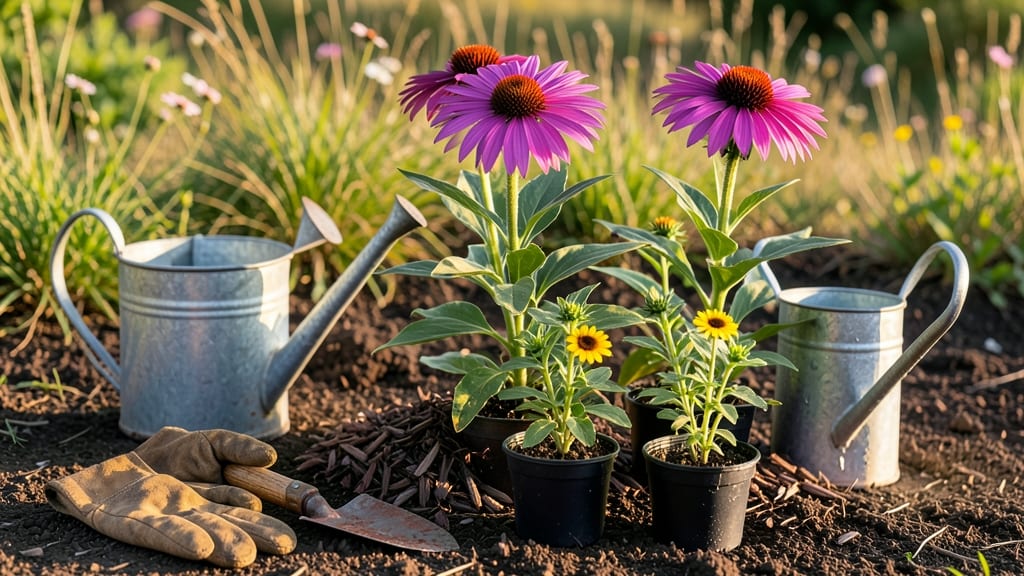
Timing your flowers planting in Chicago isn’t just about the calendar—it’s about surviving the city’s infamous late spring frosts that can turn your garden dreams into a sad, icy graveyard of wilted petals.
With Zone 5B’s unpredictable shifts between snow and sunshine, knowing the exact deadlines (like waiting until after April 15) makes all the difference between a vibrant summer display and a season of disappointment.
I’ve spent years testing planting windows here, and the key is balancing patience with opportunity. Whether you’re dreaming of annuals that burst into color by Memorial Day or perennials that return year after year, Chicago’s climate demands a strategic approach.
The good news? With the right timing—like planting cool-season flowers in early spring and warm-season varieties after Memorial Day—you can outsmart frost and enjoy blooms from May through October.
Let’s cut through the guesswork. I’ll walk you through the ideal planting windows for every type of flower, from dwarf petunias to towering sunflowers, plus how to adjust for Chicago’s microclimates.
Whether you’re a first-time gardener or a seasoned green thumb, these practical tips will help you maximize your garden’s potential without losing sleep over frost warnings.
Ready to transform your yard into a year-round floral oasis? Grab your gloves—we’re diving into the perfect schedule for planting 🌸 in Chicago, so you can finally enjoy the garden you’ve always wanted.
Chicago’s frost-free planting dates by flower type (zone 5B guide)
Chicago’s Zone 5B climate means late spring frosts can strike until mid-April, while fall frosts arrive as early as mid-October. Knowing these dates is critical—plant too soon, and your tender annuals will freeze; wait too long, and you’ll miss peak blooms.
The average last frost date is April 15, but urban areas like Lincoln Park often warm up 1-2 weeks earlier than south suburbs.
For cool-season flowers like pansies and snapdragons, you can start seeds indoors as early as February or plant hardy transplants in March. These frost-tolerant varieties thrive in 40-50°F soil and can handle light frosts.
Meanwhile, warm-season beauties like zinnias and marigolds need to wait until after May 1—when soil temperatures hit 60°F+—to avoid stunted growth.
🌱 Chicago’s Frost Timeline:
- March 15: Plant cool-season flowers (e.g., pansies, calendula)
- April 15: Last average frost—safe for hardy perennials (e.g., coneflowers, black-eyed Susans)
- May 1: Warm-season flowers (e.g., petunias, sunflowers) can go in
- August 15: Start fall bloomers (e.g., mums, asters) for October color
| Flower Type | Planting Window | Soil Temp | Notes |
|---|---|---|---|
| Cool-Season Annuals | March 15–April 30 | 40–50°F | Pansies, snapdragons, sweet peas |
| Perennials | April 15–May 15 | 50–60°F | Coneflowers, daylilies, hostas |
| Warm-Season Annuals | May 1–June 15 | 60°F+ | Marigolds, zinnias, petunias |
| Fall Bloomers | August 15–September 15 | 55–65°F | Mums, asters, ornamental kale |
| Bulbs (Spring) | September–October (fall) | 50–60°F | Tulips, daffodils, hyacinths |
🌡️ Pro Tip: Use a soil thermometer to confirm 60°F+ for warm-season plants.
Chicago’s microclimates complicate timing. Areas near Lake Michigan (e.g., Evanston, Rogers Park) warm up faster due to the Lake Effect, while urban heat islands (like Downtown) can delay spring frosts by a week.
For extra safety, use frost cloth or wait until May 1 for heat-loving annuals like geraniums.
Don’t forget fall planting! While most gardeners focus on spring, August–September is prime time for cool-season flowers and bulbs.
Plant mums and asters by August 15 to enjoy October blooms, and spring bulbs (like tulips) need to be in the ground by October 1 to root before winter. Chicago’s 165 frost-free days are packed with potential—plan accordingly!
For container gardening, timing shifts slightly. Potted flowers can be set out 2 weeks earlier than in-ground plants because containers warm up faster. However, avoid placing them near walls that radiate heat at night—this can trick plants into blooming too early, only to be killed by late frosts.
How to extend your Chicago flower season with smart planting hacks
Chicago’s short growing season doesn’t mean your garden has to be short on color! With the right planting hacks, you can stretch your flower season from early spring to crisp fall.
The key? Frost protection, succession planting, and choosing heat-tolerant varieties that thrive in Zone 5B’s 165 frost-free days. Let’s turn those late frosts into opportunities for longer blooms.
Start by selecting frost-resistant flowers like pansies, snapdragons, and calendula, which handle light frosts down to 25°F. These tough bloomers can be planted as early as late March, giving you color weeks before tender annuals like petunias or geraniums can safely go in the ground.
Pair them with cold frames or row covers to shield delicate seedlings from late-spring frosts that often hit Chicago around May 10-15.
Top 5 Frost-Resistant Flowers for Chicago
Rating based on frost tolerance, bloom duration, and Chicago climate adaptability.
For a non-stop flower show, practice succession planting. Instead of planting all your annuals at once, stagger your flower seeds every 2-3 weeks from mid-May to early July. This ensures fresh blooms as old ones fade.
For example, sow zinnias in early May, then again in late May and early June—each batch will bloom for 6-8 weeks, keeping your garden vibrant until first frost.
Don’t overlook fall planting! Many cool-season flowers thrive when sown in late summer. Try asters, chrysanthemums, or pansies—they’ll reward you with color from September through October.
Aim to plant these 6-8 weeks before your first frost (around August 15 in Chicago) to give roots time to establish before winter sets in.
Pro tip: Use heat-tolerant varieties like black-eyed Susans or coneflowers to bridge the gap between spring and fall blooms. These perennials handle Chicago’s hot, humid summers while still providing months of color with minimal fuss. Pair them with drought-resistant annuals like lantana or portulaca for a low-maintenance, high-impact display.
With these smart planting hacks, you’ll turn Chicago’s short season into a long, colorful celebration. Start early, protect your plants from late frosts, and keep the blooms coming with succession planting—your garden will thank you with non-stop color from spring to fall!