
Flowers
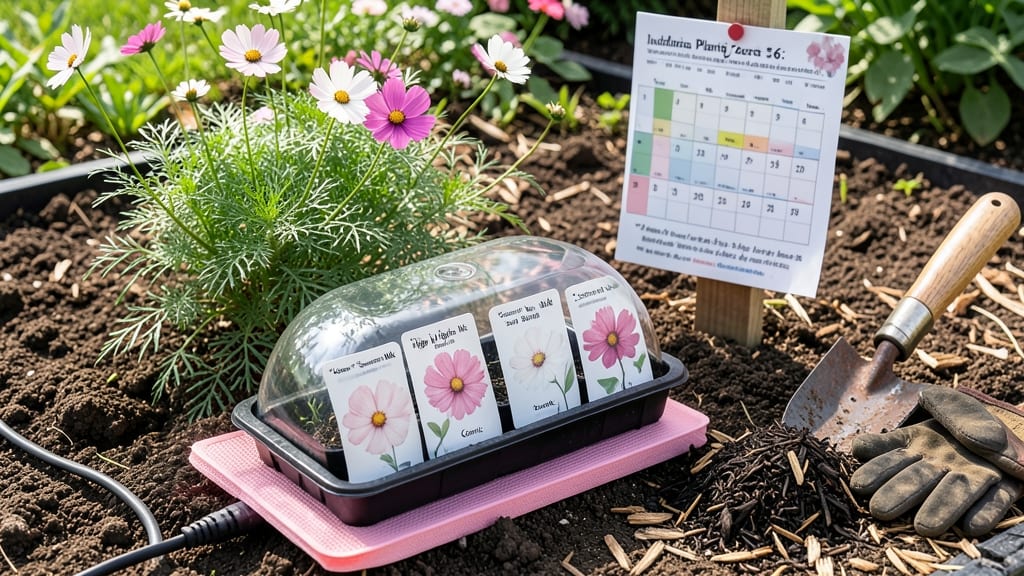
Timing your flower seeds 🌸 planting in Indiana isn’t just guesswork—it’s the difference between a garden bursting with color and one that barely takes root. With Indiana’s Zone 6a climate, knowing when to sow your seeds can mean the difference between blooms by summer or waiting until next year.
Most gardeners in Indiana wait until after the last frost date—around mid-April—but some flowers, like snapdragons, can handle cooler soil. The key is understanding your specific flower’s needs and adjusting for Indiana’s unpredictable spring weather.
Whether you’re starting seeds indoors in March or direct-sowing in May, this guide breaks down the best times for annuals, perennials, and native flowers to thrive. Let’s turn your Indiana garden into a vibrant showstopper!
From marigolds to coneflowers, we’ll cover everything—soil temps, frost protection, and even how to extend your blooming season. Ready to plant with confidence?
Indiana flower seed planting calendar: exact dates by Zone 5-6 varieties
Indiana’s Zone 5-6 climate means your flower seeds must hit the ground at just the right time—too early and frost will kill them, too late and you’ll miss peak blooms.
The key is aligning your plantings with Indiana’s average last frost date (April 15–May 1) and first frost (October 15–November 1). Most annuals and perennials thrive when soil temperatures reach 60°F or warmer, which typically happens by early May in most of the state.
For cold-hardy varieties like snapdragons, pansies, and sweet alyssum, you can start seeds indoors as early as March 1–15 for transplanting after the last frost. Meanwhile, heat-loving flowers like marigolds, zinnias, and cosmos should wait until May 1–15 to avoid stunted growth from cool soil.
Perennials like coneflowers and black-eyed Susans can be sown directly in late April to early May for established roots before summer heat arrives.
Here’s a quick breakdown of Indiana’s ideal planting windows by flower type, adjusted for Zone 5-6 conditions:
| Flower Type | Indoor Start (Weeks Before Last Frost) | Direct Sow (After Last Frost) | Frost Tolerance | Soil Temp Requirement |
|---|---|---|---|---|
| Annuals (Marigolds, Zinnias, Petunias) | 4–6 weeks (March 15–April 1) | May 1–15 (after last frost) | None | 60°F+ |
| Cold-Hardy Annuals (Snapdragons, Pansies) | 6–8 weeks (February 15–March 1) | April 1–15 (with frost cloth) | Moderate | 50°F+ |
| Perennials (Coneflowers, Black-Eyed Susans) | Not needed | April 20–May 10 | High | 55°F+ |
| Fall-Blooming (Asters, Goldenrod) | Not needed | August 1–15 | Moderate | 65°F+ |
If you’re planting bulbs like tulips or daffodils, aim for October 1–November 1 to establish roots before winter. These timing rules apply to most of Indiana, but Northern IN (Zone 5) may need to delay plantings by 1–2 weeks due to later frost dates.
For Southern IN (Zone 6), you can push plantings slightly earlier, especially in microclimates like Indianapolis’ urban heat islands.
Pro tip: Use a soil thermometer to confirm temperatures before direct sowing. If the ground is still below 60°F, wait another week or two—your seeds will thank you with faster germination and stronger starts.
For slow-germinating seeds like larkspur or hollyhocks, start them indoors 8–10 weeks before the last frost to ensure they’re ready for transplanting.
Don’t forget about fall planting! Many flowers, like calendulas and sweet peas, can be sown in late August to early September for blooms next spring. These cool-season varieties thrive when soil temperatures drop below 75°F, making late summer the perfect time to get them in the ground.
For gardeners in Indiana’s rural areas, where nights stay cooler longer, consider using row covers or cold frames to extend your planting window by 2–3 weeks. This is especially helpful for heat-sensitive annuals like impatiens or begonias, which struggle with Indiana’s hot summers if planted too early.
Finally, keep a gardening journal to track your local frost dates and adjust future plantings. Indiana’s weather can vary wildly from year to year—what worked in 2023 might fail in 2024. By noting when your seeds sprouted and bloomed, you’ll refine your timing for a showstopping garden every season. 🌸
How to adjust planting times for Indiana’s microclimates and unpredictable weather
Indiana’s last frost dates can vary by 10-14 days depending on whether you’re in Northern Indiana (cooler) or Southern Indiana (warmer). For example, Gary might see frost-free soil by April 1, while Fort Wayne could still face frost until May 10.
This variability means rigid planting schedules won’t work—flexibility is key.
Start by checking your local USDA Plant Hardiness Zone (Zone 5b-6a for most of Indiana) and track soil temperatures using a soil thermometer. Most flower seeds need soil at 60°F+ to germinate properly. If your soil is colder, wait or use row covers to create a warmer microclimate.
Urban areas like Indianapolis experience the urban heat island effect, which can warm soil 5-10°F warmer than rural areas. This means you can plant 2-3 weeks earlier in cities. Conversely, higher elevations (like Brown County) may need to delay plantings by 1-2 weeks to avoid late frosts.
Even after April 15, Indiana can see late frosts—especially in Northern Indiana. Protect tender seedlings (like marigolds or zinnias) with frost cloths or move pots indoors during nighttime temps below 32°F. Use the '10-day rule': Wait 10 days after your average last frost date to transplant indoor starts outdoors.
For fall planting, aim to sow seeds 8-10 weeks before your first frost date (typically October 15). Cool-season flowers like pansies and snapdragons can handle light frosts, but avoid planting tender annuals (e.g., petunias) after August 15—they won’t mature before winter.
Use microclimate adjustments to your advantage: Plant heat-loving flowers (e.g., sunflowers) near south-facing walls, while shade-tolerant varieties (e.g., impatiens) thrive under trees or decks.
Monitor your garden’s microenvironments—a spot that’s sunny for 6 hours in one area might only get 3 hours just a few feet away.
When in doubt, start seeds indoors 4-6 weeks before your last frost date. This gives you a head start and lets you harden off seedlings gradually.
For direct sowing, use the 'backward counting method': Subtract your plant’s days to maturity from your first frost date to find the latest safe planting date. For example, zinnias (60 days to bloom) should be planted by June 15 for a fall display.