
Plants
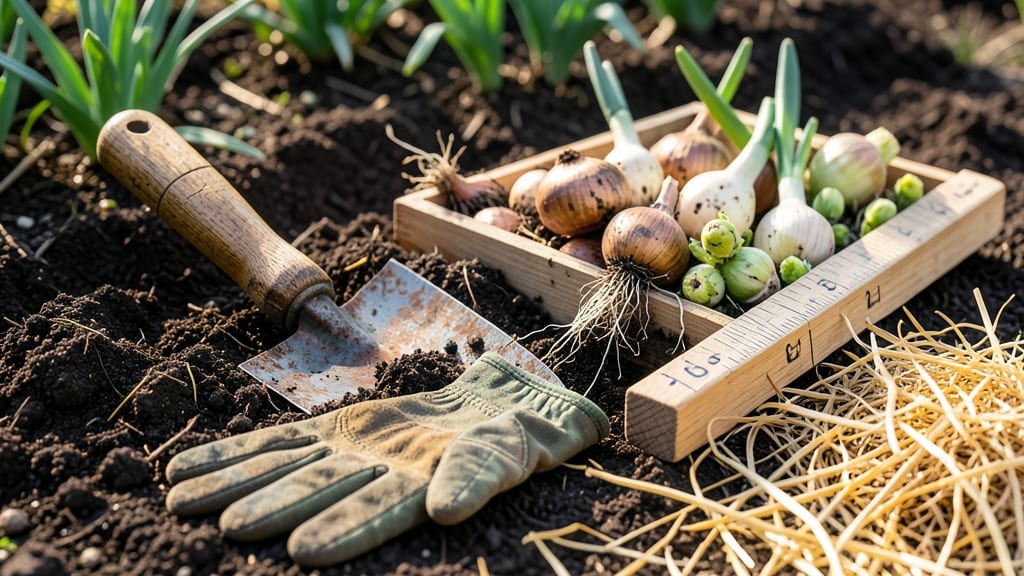
Timing your spring bulbs planting perfectly can mean the difference between a garden bursting with 🌷 color and one that disappoints. Most gardeners assume spring planting is straightforward, but the truth is more nuanced—especially when you factor in your USDA zone and local climate quirks.
In USDA Zone 6 (and similar regions), the ideal window for planting spring bulbs like tulips and daffodils actually falls in late summer to early fall—6-8 weeks before the first frost.
This might sound counterintuitive, but it’s the secret to strong root growth before winter sets in. Skipping this step can leave your bulbs struggling to bloom come spring.
Why does this matter? Because planting too early or too late can lead to weak growth, poor flowering, or even bulb rot. I’ll walk you through the exact months for your zone, plus how to adjust for soil temperature and frost risks.
Let’s get those bulbs in the ground at the perfect moment.
Once you master the timing, you’ll also discover how to prep your soil, space bulbs correctly, and care for them post-planting—so you’re not left guessing when those first 🌷 blooms will appear. Ready to transform your garden next spring?
Best spring bulb planting months by USDA Zone for perfect blooms
Wait—did you just think spring bulbs only go in the ground in fall? Actually, many spring-flowering bulbs thrive when planted in late winter or early spring, especially in warmer USDA zones.
The key is understanding your local frost dates and soil conditions. Let’s break down the perfect planting windows by zone so you can enjoy tulips, daffodils, and alliums without the guesswork.
Most gardeners focus on fall planting for spring blooms, but bulbs like rain lilies, camassia, and some daffodil varieties can handle spring planting—if you time it right. The general rule?
Plant when the soil is workable (60°F+) and the last frost date is at least 6-8 weeks away. But zones vary wildly, so let’s dive into the specifics.
🌱 Pro Tip: Use a soil thermometer to confirm readiness—bulbs need 50-60°F soil to root successfully. In cooler zones, this might mean waiting until March or April, while Zone 9-10 gardeners can plant as early as January or February.
| USDA Zone | Ideal Planting Month | Soil Temp Requirement | Notes |
|---|---|---|---|
| Zones 3-4 | Late March–Early April | 50–55°F | Wait for consistent 50°F+ nights; use mulch to protect from late frosts. |
| Zones 5-6 | Mid-April–Early May | 55–60°F | Plant after last frost; tulips may need chilling in fridge for 6–8 weeks if planted early. |
| Zones 7-8 | February–March | 60–65°F | Ideal for daffodils and alliums; avoid planting in heatwaves (bulbs can rot). |
| Zones 9-10 | January–February | 65–70°F | Best for tropical bulbs like rain lilies; plant in shade to prevent heat stress. |
🌷 Regional Exception: Coastal areas (e.g., Pacific Northwest) can plant 1–2 months earlier due to milder winters.
If you’re in Zone 5-6 and rushing to plant in March, check for late frost warnings—a sudden freeze can kill tender shoots. For Zone 9-10, the real challenge is heat stress; plant in partial shade and keep soil moist until roots establish.
💡 Key Adjustment: In urban areas (like cities with heat islands), soil warms 2–4 weeks earlier than rural zones. Use a soil thermometer to confirm readiness—don’t rely solely on calendar dates.
For frost-sensitive bulbs like tulips, consider a pre-chilling trick: Store bulbs in the fridge for 6–8 weeks before planting if your spring arrives too early. This mimics winter dormancy and prevents premature sprouting.
Once planted, water deeply (1 inch per week) until foliage dies back. Avoid fertilizing until spring growth appears—bulbs need to focus on root development first. In containers, use a well-draining mix with perlite to prevent rot.
Now that you’ve got your zone-specific timeline, mark your calendar! The earlier you plant, the more time bulbs have to root before summer heat sets in. Next up: How to tell if your soil is truly ready for spring planting—without waiting for a weather app.
How to tell when your local climate is truly ready for spring planting
Don’t rely on calendar dates alone—your local climate dictates the perfect planting window for spring bulbs. Cold snaps can still lurk in early spring, while late-season warmth might trick you into planting too late. Understanding soil temperature and frost risk ensures your bulbs thrive, not wither.
Most gardeners assume spring planting starts in March or April, but that’s a dangerous assumption. In USDA Zones 3-5, frost can linger until May 15, while Zones 8-10 may see safe planting as early as February.
Your goal? Plant when the soil reaches 50°F (10°C)—the magic threshold for root growth.
🌱 Pro Tip: Use a soil thermometer (just $10) to check depth—bulbs need consistent warmth 6 inches down. If your area has unpredictable frost, wait until 3 weeks after the last frost date for frost-sensitive varieties like tulips.
⚠️ Warning: Late Frost Can Kill New Growth
Even hardy bulbs like daffodils (Zone 3) can suffer if planted too early. A single late frost can blacken emerging shoots. Check your local frost-free date and add a 2-week buffer for safety.
🌧️ Urban Tip: City areas stay 5-10°F warmer than rural zones—adjust planting 2 weeks earlier if you’re in a concrete jungle.
Microclimates play a sneaky role too. A south-facing slope warms up faster than a north-facing yard, while low-lying areas hold cold air longer. Plant test bulbs in questionable spots first—if they survive, you’re golden.
Pay attention to local weather patterns, not just averages. If your area had an early spring last year but a late frost this year, err on the side of caution. Hyacinths and alliums are more frost-tolerant than tulips, so they’re safer bets for borderline timing.
Once you’ve confirmed the soil is warm and frost risk is low, act fast. Bulbs planted in cooler soil (below 50°F) rot before roots establish. For Zones 6-7, aim for April 15–May 1; in Zones 8-10, you can start as early as February 15.
💡 Remember: Spring-planted bulbs need 6-8 weeks of root growth before blooming. Rush it, and you’ll get weak stems and fewer flowers. Patience pays off with vibrant, long-lasting blooms—not sad, floppy stems.