
Flowers
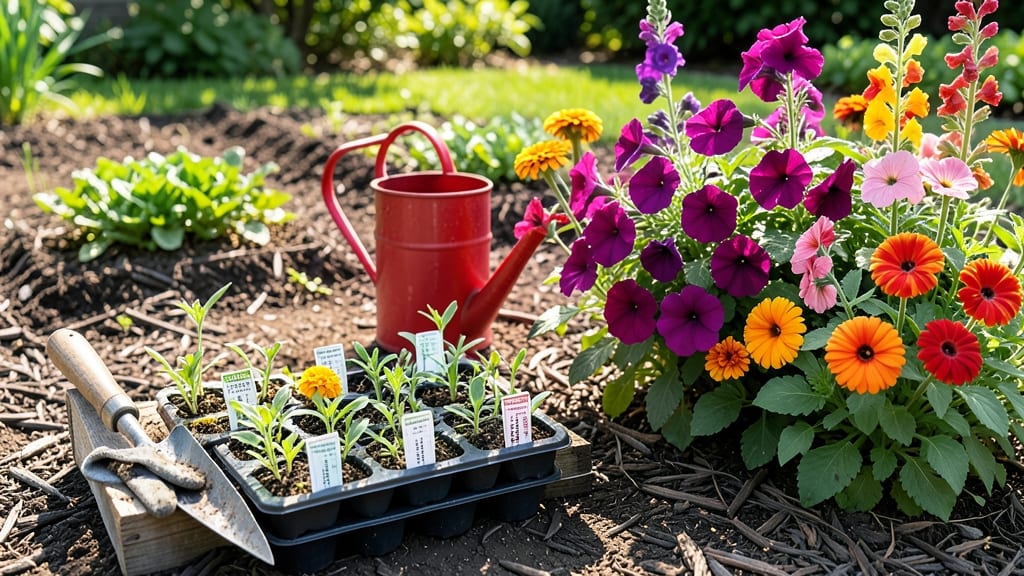
Timing your when to plant flowers in NJ can make or break your garden’s success—especially in zones 6a-7b, where frost sneaks in when you least expect it. One wrong move, and those delicate 🌸 blooms you’ve been dreaming of could turn into sad, frost-nipped stumps.
But here’s the good news: with the right schedule, you can beat the odds and enjoy a vibrant garden all season long.
New Jersey’s climate is tricky—coastal areas stay warmer longer, while inland spots can freeze earlier. That’s why knowing exactly when to plant isn’t just helpful—it’s essential. Whether you’re dreaming of black-eyed Susans in summer or mums in fall, the timing matters more than you think.
Let’s break down the zone-specific deadlines so you can plant with confidence and avoid common mistakes.
You’ll discover the 10-day rule for frost-free planting, how to adjust for microclimates, and which flowers thrive in NJ’s spring and fall windows. No more guessing—just a clear, step-by-step guide to help your garden flourish. Ready to turn your green thumb into a blooming success?
From bulbs to annuals, we’ll cover everything you need to know to time your plantings perfectly. Whether you’re a seasoned gardener or just starting out, these tips will help you grow a garden that’s the envy of the neighborhood. Let’s get those 🌸 planted on time!
NJ’s last frost dates by Zone: exact deadlines for risk-free flower planting
New Jersey’s USDA zones 6a-7b create unique planting windows, but frost dates are the real game-changer. Knowing your exact last frost date helps you avoid those heartbreaking frost-nipped blooms while maximizing your garden’s potential.
Most of NJ experiences its average last frost between April 15–May 1, but coastal areas can delay frost by 2–3 weeks.
Here’s the critical rule: Wait 10–14 days after your last frost before planting tender annuals like petunias or marigolds. This buffer ensures roots establish before nighttime temps dip again. For cool-season flowers (pansies, snapdragons), you can plant 2–3 weeks before the last frost—just protect them with row covers if needed.
Inland areas like Zone 6a (northwest NJ) often see frost as early as April 15, while coastal Zone 7b (Cape May, Atlantic City) can push frost back to May 10.
Use these dates as your planting deadlines, but always check your local Almanac’s frost predictor for real-time updates.
🌱
| Zone (NJ) | Average Last Frost Date | Safe Planting Window (After Last Frost) | Key Microclimate Notes | Recommended Flowers for Early Planting |
|---|---|---|---|---|
| 6a (Northwest NJ) | April 15 | May 5 (10-day buffer) | Coldest zone; valleys frost later | Pansies, Sweet Alyssum, Snapdragons |
| 6b (Central NJ) | April 22 | May 12 (10-day buffer) | Moderate frost risk; urban areas warmer | Tulips, Daffodils, Calendula |
| 7a (Southern NJ) | April 28 | May 18 (10-day buffer) | Warmer inland; coastal areas later | Petunias, Marigolds, Zinnias |
| 7b (Coastal NJ) | May 10 | May 25 (10-day buffer) | Latest frosts; humid summers | Impatiens, Lantana, Cosmos |
Pro tip: Use frost cloth to push your planting window 2–4 weeks earlier for cool-season flowers like pansies or violas. Simply drape the cloth over seedlings at night and remove it during the day. This trick works especially well in Zone 6a where frosts linger longer.
If you’re planting bulbs in fall (like tulips or daffodils), aim for 6–8 weeks before your first frost. For most of NJ, that means late September to early October.
Bulbs need this time to establish roots before winter dormancy. Coastal areas can plant bulbs 2 weeks later due to their delayed frost dates.
For perennials, early spring planting (March–April) gives roots time to anchor before summer heat. Choose hardy varieties like coneflowers or black-eyed Susans, which thrive in NJ’s hot, humid summers. These plants reward patience with years of blooms and minimal fuss.
🌿
Remember: Soil temperature matters more than air temperature. Use a soil thermometer to confirm your soil is at least 60°F before planting warm-season annuals like petunias or marigolds. Cool soil slows germination, leaving your flowers vulnerable to late frosts or pests.
Track your local frost dates using the Old Farmer’s Almanac or your county’s Cooperative Extension Service. These resources provide hyper-local data that beats generic zone guidelines. For example, Newark’s last frost often aligns with Zone 6b, but Trenton’s can be 5 days earlier due to its valley location.
🌸
Best flowers to plant by season in NJ: month-by-month planting schedule
New Jersey’s diverse climate zones (6a-7b) and microclimates mean your flower planting schedule should shift with the seasons. Whether you’re dreaming of spring bulbs, summer blooms, or fall color, timing is everything.
Here’s your month-by-month guide to planting flowers in NJ for maximum impact—plus the top varieties that thrive in our unique growing conditions.
The key to success? Cool-season flowers go in early spring, while heat-loving annuals wait until soil warms. Perennials and bulbs often need advance prep, so let’s break it down by season to avoid frost surprises and ensure vibrant blooms all year.
🌸 NJ Flower Planting by Season
- Flowers: Tulips, Daffodils, Pansies, Sweet Alyssum
- Key Tip: Plant bulbs in fall; cool-season annuals after last frost.
- Flowers: Petunias, Marigolds, Zinnias, Impatiens
- Key Tip: Wait until soil warms to 60°F+ for tropical annuals.
- Flowers: Cosmos, Sunflowers, Lantana, Black-Eyed Susans
- Key Tip: Succession plant heat-lovers every 2–3 weeks.
- Flowers: Mums, Asters, Salvia, Pansies
- Key Tip: Plant 6–8 weeks before first frost for fall color.
For spring planting, focus on cool-hardy annuals like pansies and sweet alyssum, which tolerate light frosts. In Zone 6a (northern NJ), wait until mid-April to plant these after the last frost, while Zone 7b (southern NJ) can start as early as late March.
Pro tip: Use row covers to protect tender seedlings if frost threatens.
Summer in NJ is all about heat-tolerant annuals.
Plant marigolds and zinnias in late May once soil reaches 65°F, and don’t forget succession planting—sow new seeds every 3 weeks to keep blooms coming. Black-eyed Susans and cone flowers are perennial favorites that thrive in full sun and well-draining soil.
Fall is your second chance for color! Mums and asters planted in early September will reward you with late-season blooms before winter. Coastal areas can extend this window by 2–3 weeks due to milder temperatures, while inland zones may need lightweight row covers to protect tender plants.
Don’t overlook perennials—they’re the backbone of a low-maintenance garden. Plant daylilies, lavender, and Russian sage in spring or early fall for established roots before winter.
And if you love bulbs, remember: fall planting (August–September) is critical for tulips and daffodils to naturalize and return year after year.
🌿