
Flowers
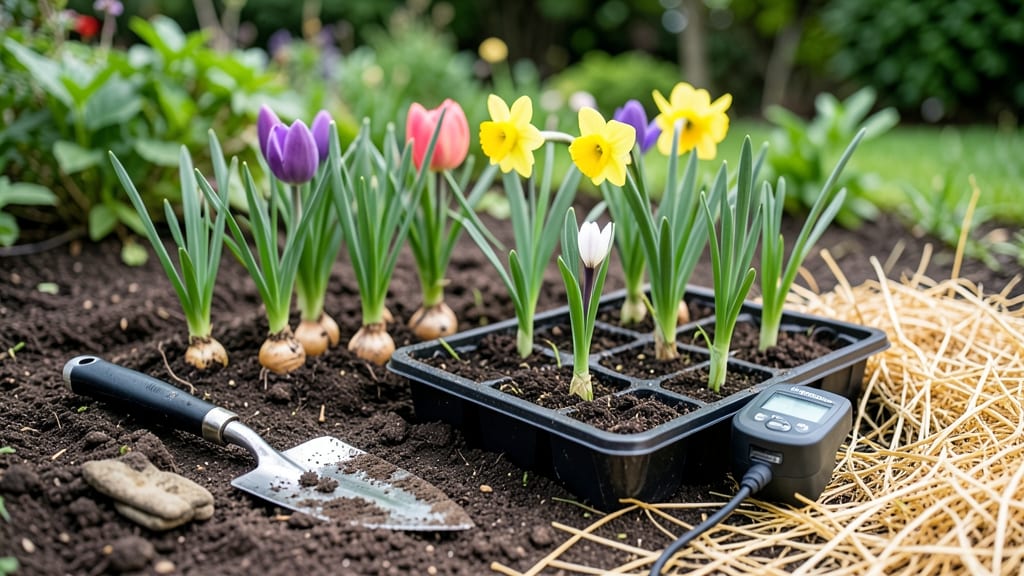
Timing your spring flower planting just right is the difference between a garden bursting with color and one that never quite takes off.
In USDA Zone 6, where the last frost typically lingers until mid-April, rushing to plant too early can leave your delicate 🌸 blooms vulnerable to frost damage—or worse, wasted effort.
I’ve learned the hard way that patience pays off—waiting until the soil warms to at least 50°F ensures roots establish strong before the heat of summer arrives. But how do you know when it’s really safe?
It’s not just about dates; microclimates, local weather patterns, and even the type of flowers you’re planting all play a role.
This guide will walk you through the exact deadlines for your zone, plus tips for preparing soil and choosing the right flowers—whether you’re planting hardy annuals like pansies or heat-loving zinnias. No more guesswork, just confident planting that leads to a showstopping summer display.
Let’s get your garden on the fast track to zero frost risk and maximum blooms, step by step.
USDA zone-by-zone spring planting deadlines for frost-free flower gardens
Spring blooms begin with timing, and your USDA zone dictates when to plant. The last frost date is your golden rule—planting too early risks frost damage, while waiting too long may shorten your bloom season.
Let’s break down the ideal planting windows by zone, so you can pick the perfect moment for your favorite flowers.
From the coldest northern zones (Zone 3) to the mildest southern climates (Zone 10), each region has a unique schedule. Hardy annuals like pansies and snapdragons can often handle light frosts, while tender varieties like marigolds need warmer soil. Knowing your zone ensures your flowers thrive, not just survive.
⚠️ NON-NEGOTIABLE: Always verify your local last frost date—it can vary by 1-2 weeks even within the same zone due to microclimates. Use the National Weather Service or local gardening extensions for precise data.
| USDA Zone | Last Frost Date | Ideal Planting Window | Cold-Hardy Flowers | Heat-Loving Flowers |
|---|---|---|---|---|
| Zone 3 (-40°F to -30°F) | Late May | After May 20 | Pansies, Sweet Alyssum, Violas | Zinnias (late), Marigolds (late) |
| Zone 4 (-30°F to -20°F) | Mid-May | After May 10 | Snapdragons, Calendula, Stock | Petunias, Geraniums (late) |
| Zone 5 (-20°F to -10°F) | Early May | After April 25 | Dianthus, Sweet Peas, Larkspur | Marigolds, Sunflowers, Cosmos |
| Zone 6 (-10°F to 0°F) | Mid-April | After April 15 | Pansies, Primroses, Sweet William | Zinnias, Dahlias, Nasturtiums |
| Zone 7 (0°F to 10°F) | Early April | After March 30 | Violas, Stock, Calendula | Petunias, Begonias, Impatiens |
| Zone 8 (10°F to 20°F) | Mid-March | After March 15 | Pansies, Sweet Alyssum, Dianthus | Marigolds, Zinnias, Sunflowers |
| Zone 9 (20°F to 30°F) | Late February | After February 20 | Sweet Peas, Larkspur, Stock | Petunias, Geraniums, Coleus |
| Zone 10 (30°F to 40°F) | January | Year-round (with care) | Pansies, Snapdragons
How to calculate your local last frost date for perfect flower planting timingFinding your local last frost date is the secret to planting flowers at the perfect moment. Skip this step, and you risk frost damage that can kill tender seedlings overnight. Start by checking your USDA hardiness zone—this gives you a baseline, but your microclimate (like a sheltered garden spot) can shift that date by weeks. Use the National Weather Service or local agricultural extension office for historical frost data. These sources track average last frost dates over decades, giving you a reliable starting point. For example, Zone 5 gardens might see their last frost around May 15th, while Zone 8 gardens can plant as early as March 1st. 🌱 Your Step-by-Step Frost Date Calculation Guide
Don’t rely solely on averages—late spring frosts can still strike. Sign up for frost alerts from your local weather service or use apps like Frost Freeze Alerts. These tools send notifications when temperatures drop below 32°F, giving you time to cover delicate plants with frost cloth. Pro tip: Plant fast-growing flowers like bachelor’s buttons or cosmos slightly earlier than your calculated date. If frost hits, they’ll recover faster than slower-growing varieties like petunias. Just be ready to protect them with row covers if needed. For container gardens, remember that pots cool faster than in-ground soil. Move containers to sheltered spots or bring them indoors overnight if frost is forecasted. A few extra precautions now mean vibrant blooms instead of frost-bitten failures. 🌡️ |