
Flowers
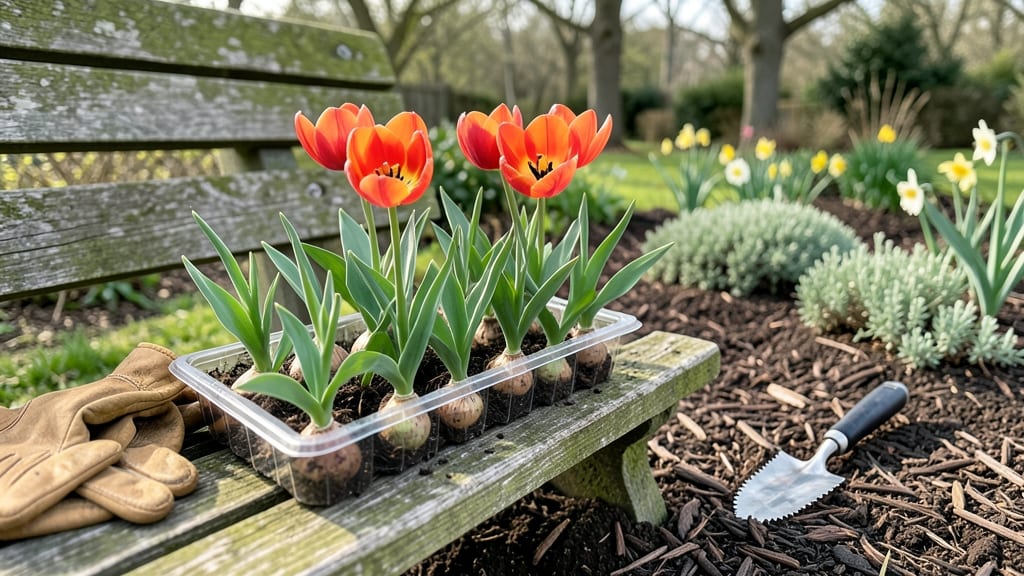
Timing your spring flower planting can make all the difference between a garden bursting with color and one that barely gets started. The key isn't just waiting for spring—it's knowing exactly when to plant based on your local frost dates and the types of blooms you want.
For gardeners in USDA Zone 6a, like me, the window opens after the last frost—typically around mid-April—but not all flowers are ready to go in at once.
Some, like hardy annuals, can handle cooler soil, while others need warmer temperatures to thrive. Getting this right ensures your garden stays vibrant from early summer through fall.
I’ve learned that planting too early risks frost damage, while waiting too long can leave your garden sparse. The solution? A strategic approach tailored to your climate and the flowers you love. Let’s break down the best times to plant for a showstopping season of blooms.
Whether you’re a beginner or a seasoned gardener, these tips will help you avoid common mistakes and maximize your garden’s potential. Ready to transform your outdoor space into a floral paradise? Let’s get started.
Spring planting timeline by frost Zone: when to start flowers for peak blooms
Spring is the perfect time to transform your garden into a blooming paradise, but the exact timing depends on your USDA frost zone. Planting too early risks frost damage, while waiting too long may delay your summer blooms.
I’ll break down the ideal planting windows for cool-season and warm-season flowers across zones 3-10, so you can plan with confidence.
For cool-season flowers like pansies, snapdragons, and sweet peas, you can often start planting 4-6 weeks before your last frost date. These hardy varieties thrive in cooler temperatures and may even survive light frosts.
In contrast, warm-season flowers such as marigolds, zinnias, and petunias need to wait until 2-4 weeks after your last frost when soil temperatures reach at least 60°F (15°C).
Let’s dive into the specifics. Below, you’ll find a frost zone guide that outlines the best planting windows for both types of flowers, along with key tips to ensure your garden thrives.
Whether you’re in Zone 3’s harsh winters or Zone 10’s mild climate, this timeline will help you avoid common pitfalls and maximize your bloom duration.
| Frost Zone | Cool-Season Flowers | Warm-Season Flowers | Soil Temp Threshold |
|---|---|---|---|
| 3-4 | 4-6 weeks before last frost (March-April) | 2-4 weeks after last frost (May-June) | 50°F (10°C) for cool-season |
| 5-6 | 3-5 weeks before last frost (April) | 2-3 weeks after last frost (late April-May) | 55°F (13°C) for warm-season |
| 7-8 | 2-4 weeks before last frost (late March-April) | 1-2 weeks after last frost (April-May) | 60°F (15°C) for all flowers |
| 9-10 | Start anytime (Jan-Feb for cool-season) | After last frost (Feb-April) | 65°F (18°C) for warm-season |
*Check your local last frost date using the USDA Plant Hardiness Zone Map.
If you’re in Zone 3 or 4, cool-season flowers like calendulas and stocks can handle early planting, but avoid setting out warm-season varieties until late May. In Zones 7-10, where winters are milder, you can start planting warm-season flowers as early as February or March in some regions.
Always verify your local frost dates—they can vary by 1-2 weeks even within the same zone.
Another critical factor is soil temperature. Use a soil thermometer to confirm your garden bed is ready. Cool-season flowers tolerate cooler soils, while warm-season flowers may rot if planted in chilly, damp earth.
For example, marigolds in Zone 5 should wait until soil hits 60°F (15°C), even if frost risk has passed.
For perennials and bulbs, timing matters too. Plant spring-blooming bulbs like tulips and daffodils in fall (October-November), but summer-blooming varieties such as daylilies can go in early spring.
If you missed fall planting, some bulbs (like crocuses) can handle early spring planting, but expect slightly smaller blooms.
Pro tip: Use row covers or cold frames to extend your planting season in cooler zones. This lets you start warm-season flowers like tomatoes (yes, they’re flowers too!) or geraniums 2-3 weeks earlier without frost risk. Just remove covers when flowers begin to open fully to prevent overheating.
Finally, don’t overlook succession planting. By staggering your flower varieties every 2-3 weeks, you’ll enjoy continuous blooms from spring through fall. For example, plant pansies in March, snapdragons in April, and zinnias in May to keep your garden vibrant all season.
With this timeline, you’ll avoid the heartbreak of frost-nipped blooms and instead enjoy a garden that bursts with color from day one. Happy planting! 🌸
Best spring flowers to plant for continuous color: month-by-month guide
Spring is the perfect time to plant flowers that will bloom continuously from early summer through fall.
By choosing the right varieties for each month, you can create a garden that stays vibrant all season long. March is ideal for planting cool-season flowers like pansies and snapdragons, which thrive in cooler temperatures and often bloom until late spring.
For April, focus on hardy annuals and perennials like petunias and black-eyed Susans, which can handle mild frosts and will provide color as soon as the weather warms. These flowers are perfect for succession planting, ensuring your garden never looks bare.
🌸 Month-by-Month Planting Guide
- March: Cool-season flowers like pansies and violas (bloom until frost)
- April: Hardy annuals like petunias and marigolds (bloom in 6-8 weeks)
- May: Warm-season favorites like zinnias and cosmos (bloom in 8-12 weeks)
Pro Tip: Plant succession bloomers every 2-3 weeks for nonstop color!
In May, switch to warm-season flowers such as zinnias and cosmos, which love the heat and will continue blooming well into autumn. These varieties are perfect for cutting gardens and attract pollinators like bees and butterflies, adding life to your landscape.
For a continuous color display, pair early bloomers like tulips with late-season flowers like dahlias.
Tulips will fade by summer, but dahlias take over with their bold blooms, ensuring your garden stays lively. Companion planting also helps—plant basil near tomatoes to deter pests while adding fragrance to your flower beds.
Don’t forget to prepare your soil before planting. Amend it with compost and a balanced 10-10-10 fertilizer to give your flowers the nutrients they need to thrive. Water deeply after planting to encourage strong root growth, and mulch around the base to retain moisture and suppress weeds.
By following this month-by-month guide, you’ll create a garden that bursts with color from spring through fall. Experiment with different varieties each year to keep your space fresh and exciting—your garden will thank you with nonstop blooms! 🌻