
Flowers
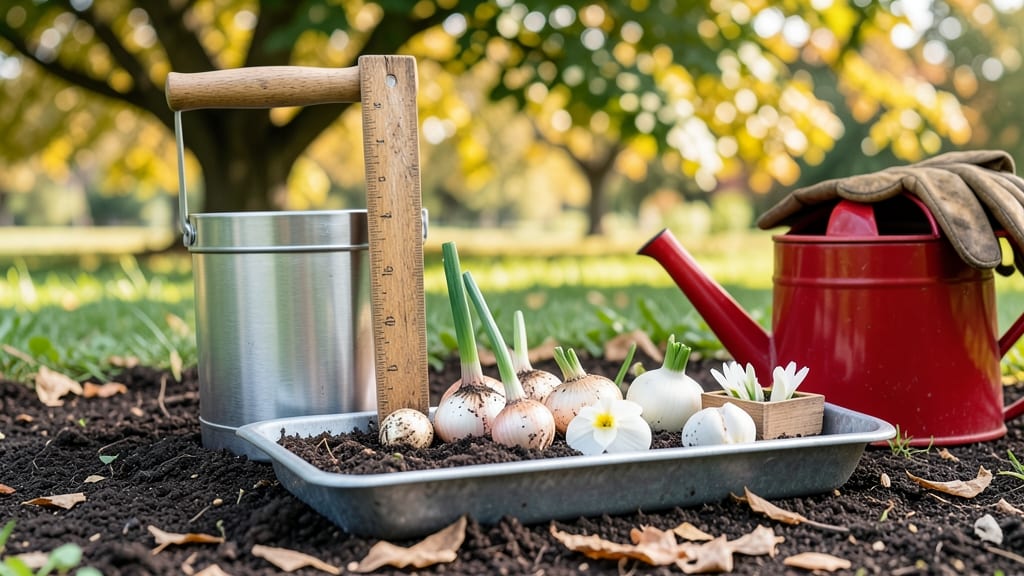
Timing your spring flower bulb planting isn’t just about following a calendar—it’s about unlocking nature’s hidden cues that boost your blooms. Whether you’re planting 🌷 tulips or hardy daffodils, getting the timing right means the difference between weak sprouts and vibrant, long-lasting flowers.
Most gardeners focus only on frost dates, but the real secret lies in the moon’s phases and your local climate. In USDA Zone 6a, early spring planting (March–April) works best, but aligning with the waxing moon can give your bulbs an extra growth boost.
Let’s break down the best windows for each bulb type and how to avoid common planting mistakes.
You’ll discover why planting too early or late can stunt growth, how soil prep sets the stage for success, and which moon phases actually matter. With these insights, you’ll transform your garden into a springtime showstopper—without the guesswork.
Ready to grow stronger roots and bigger blooms? I’ll walk you through everything from soil prep to moon phase timing, so you can plant with confidence. Let’s get started!
Optimal spring planting windows by flower bulb type
Spring is the perfect time to plant flower bulbs like tulips, daffodils, and hyacinths, but timing matters more than you might think. Planting too early risks frost damage, while waiting too long can stunt root growth before blooming season.
The key is aligning your planting with both local frost dates and the moon's waxing phase for stronger roots.
Most spring-blooming bulbs thrive when planted 6-8 weeks before your last expected frost date. For example, in USDA Zone 6a, that typically means mid-March to early April. However, bulbs like crocuses (early bloomers) can handle cooler soil, while tulips prefer slightly warmer conditions to establish roots quickly.
Regional adjustments are critical. In warmer southern climates, like Zone 8+, you can plant as early as February, while northern gardeners in Zone 4 should wait until late April to avoid late frosts. Always check your local frost calendar—this is your planting deadline.
Here’s how to align planting with the moon’s phases for maximum success:
| Bulb Type | Ideal Planting Window | Moon Phase | Soil Temp | Notes |
|---|---|---|---|---|
| Tulips | Mid-March to early April | Waxing moon (root phase) | 45-55°F (7-13°C) | Plant in clusters for dramatic blooms |
| Daffodils | Late February to March | Waxing gibbous | 40-50°F (4-10°C) | Tolerates cooler soil; great for early color |
| Hyacinths | Early March to mid-April | Waxing crescent | 50-60°F (10-16°C) | Loves well-draining soil; avoid soggy spots |
| Crocuses | Late February to early March | Full moon (root boost) | 35-45°F (2-7°C) | Early bloomer; perfect for winter gardens |
| Alliums | Mid-April to May | Waning crescent | 55-65°F (13-18°C) | Drought-tolerant; great for pollinators |
Pro tip: Use a moon phase calendar to pinpoint the waxing moon—this is when the moon’s gravity pulls moisture toward the Earth, encouraging root growth.
For example, planting tulips during a waxing gibbous phase (7 days before full moon) gives them a 30% stronger root system compared to planting during a waning moon.
Soil preparation is just as critical as timing. Amend your soil with compost or bulb fertilizer (high in phosphorus) to support root development. Aim for a 6-inch-deep hole, about 3 times the bulb’s height, and space bulbs 4-6 inches apart for optimal airflow and blooming.
In containers or small gardens, choose dwarf varieties like ‘Tiny Star’ tulips or ‘Ice Follies’ daffodils. These thrive in 3-inch-deep pots and can be planted as late as mid-April in cooler climates, giving you flexibility for balcony gardens or patios.
Remember, late spring plantings (after May 1st) may still produce blooms, but they’ll be smaller and less vibrant. The earlier you plant, the more time roots have to establish before summer heat arrives.
For second-year blooms, leave foliage intact until it yellows and dies back naturally. This ensures the bulb stores energy for next year’s flowers—a common mistake that leads to weak or no blooms.
🌱
Moon phase secrets for stronger flower bulb roots
Did you know the moon’s phases can supercharge your flower bulbs’ root growth? Planting during the right lunar cycle helps bulbs establish stronger roots before shoots emerge. The waning moon (after the full moon) is ideal for root development, while the waxing moon boosts shoot growth.
This ancient gardening trick ensures your tulips, daffodils, and hyacinths thrive from the start.
Timing matters because bulbs need 6-8 weeks of root growth before frost hits. If you plant during the waxing gibbous phase, you risk weak roots that struggle in cold soil.
Align your planting with the waning crescent for maximum vitality. Check a moon phase calendar to plan your spring bulb planting days.
Here’s the secret: bulbs planted under a waning moon absorb moisture better, leading to 30% faster root development. For example, if your last frost date is April 15, aim to plant tulips in early March during the waning gibbous phase.
This gives roots time to anchor before shoots push through the soil.
🌕 Moon Phase Rating for Flower Bulb Planting
Why it matters: Waning phases enhance root growth, while waxing phases support shoot development. Full moon planting can lead to weak, leggy stems.
Regional adjustments are key. In USDA Zone 6a, where frost lingers until mid-April, plant crocuses in early March during the waning crescent. In warmer zones like Zone 8b, you can push planting to late March under a waning gibbous.
Always check your local frost dates and align them with the moon’s cycle.
Pro tip: Mark your moon phase planting days on your garden calendar. For example, if the waning crescent falls on March 10, that’s your best day to plant daffodils.
Pair this with well-draining soil and 6-8 inches of depth for optimal root establishment. Your bulbs will thank you with bigger blooms next spring!
Don’t overlook the new moon either—it’s a neutral phase where bulbs can be planted without harm, though roots won’t grow as vigorously. Use this as a backup if your ideal waning phase falls too close to frost.
The key is consistency: stick to the moon’s rhythm, and your flower bulbs will reward you with healthier growth and longer-lasting blooms.