
Flowers
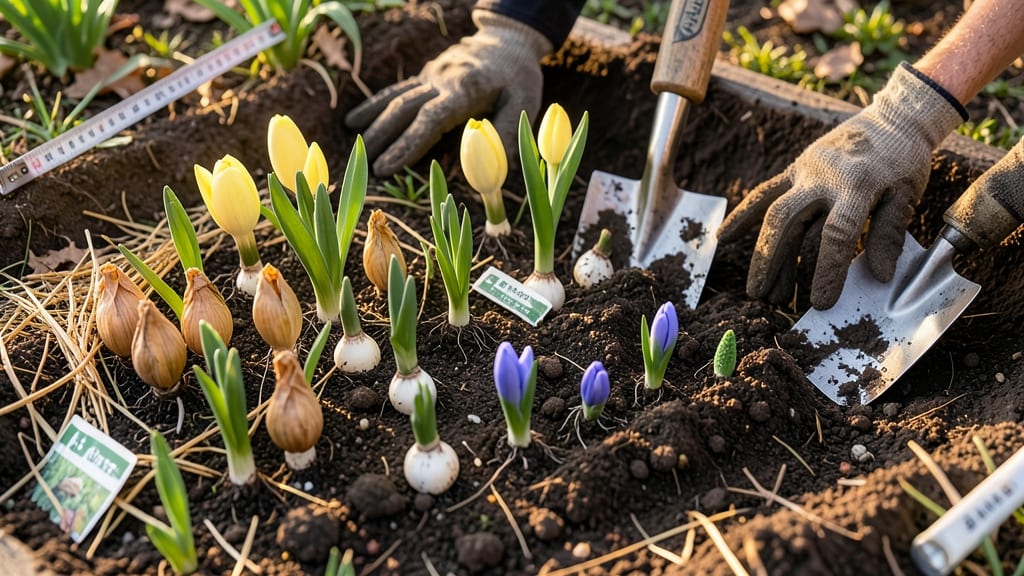
Autumn planting timeline by US hardiness Zone: exact weeks to plant flower bulbs
Planting flower bulbs in autumn is all about timing the chill. Most bulbs need 6-12 weeks of cold to bloom properly, but your USDA zone dictates when to plant. In Zones 3-5, aim for late September to early October—before the ground freezes.
Warmer zones (6-10) get a later window, often October to December, since frost arrives later.
Miss the window? Don’t panic. Bulbs can handle light frosts but won’t survive deep freezes. The key is planting 6-8 weeks before your first frost, giving roots time to establish before winter dormancy. For example, if frost hits November 15, plant by late September.
Here’s how to match your zone to the perfect planting date:
| USDA Zone | Ideal Planting Window | Chill-Hours Needed | Example Bulbs |
|---|---|---|---|
| 3-4 | Late August–mid-September | 12+ weeks | Tulips, Daffodils, Hyacinths |
| 5-6 | Mid-September–early October | 8-12 weeks | Crocuses, Alliums, Snowdrops |
| 7-8 | October–November | 6-8 weeks | Fritillaries, Grape Hyacinths |
| 9-10 | November–December | 4-6 weeks | Paperwhites, Cyclamen |
Use a zone map to pinpoint your exact location. For example, Zone 6a (like Chicago) has a first frost around October 15, so plant bulbs by mid-September. In Zone 9a (like Miami), frost rarely hits, so you can plant through December.
Pro tip: Check your local average frost date using the USDA Plant Hardiness Zone Map. Adjust your planting by adding 2-4 weeks if your autumn is unusually warm or wet. For example, if your area had a hot September, delay planting until early October.
Soil temperature matters too. Bulbs need 40-50°F soil to root. Use a soil thermometer to confirm—if it’s below 50°F, wait a week or two. In containers, plant bulbs 4-6 weeks earlier since pots cool faster.
Don’t overlook bulb depth—plant them 3x deeper than their height. For example, a 2-inch daffodil bulb goes 6 inches deep. This protects them from freeze-thaw cycles and rodent nibbles. Add a 2-inch layer of mulch after planting to insulate roots.
Missed the autumn window? Store bulbs in a cool, dark place (like a fridge) until spring. But for best results, stick to the chill-hour rule—it’s the secret to vibrant, timely blooms next spring. 🌷
How chill-hours determine bloom time: matching bulbs to your climate
Not all flower bulbs are created equal—and neither are their chill-hour needs. Chill-hours (the number of hours below 45°F) trigger blooming. Tulips need 12–16 weeks of cold, while daffodils thrive with just 6–8 weeks.
Planting at the wrong time can mean no blooms or flowers appearing too late (or too early!).
Your local climate dictates when to plant. For example, in Zone 5, tulips need planting by mid-October to get enough cold, but in Zone 8, you’ve got until December.
Use a chill-hour map (like the USDA’s) to match bulbs to your area—hyacinths (12–14 weeks) won’t bloom if planted too late in warm zones.
🌱
To calculate your local chill-hours, check your USDA Zone and use a chill-hour calculator (like the one from Michigan State University). For example, Zone 7 averages 1,200 chill-hours—perfect for tulips but too much for daffodils.
If you’re in a warmer zone (8–10), opt for low-chill bulbs like grape hyacinths or Spanish bluebells.
Pro tip: Plant early-blooming bulbs (like crocuses) first for winter color, then add late bloomers (like tulips) in mid-autumn. This extends your seasonal interest and ensures a progressive display of blooms. Just remember—soil temps should be below 60°F at planting time to prevent rot.
🌷
If you’re unsure about your chill-hours, start with daffodils or alliums—they’re forgiving and bloom reliably. For experimental planting, try paperwhite narcissus in pots indoors; they need zero chill-hours and bloom in 6–8 weeks! Adjust next year based on what thrives in your garden.