
Planting
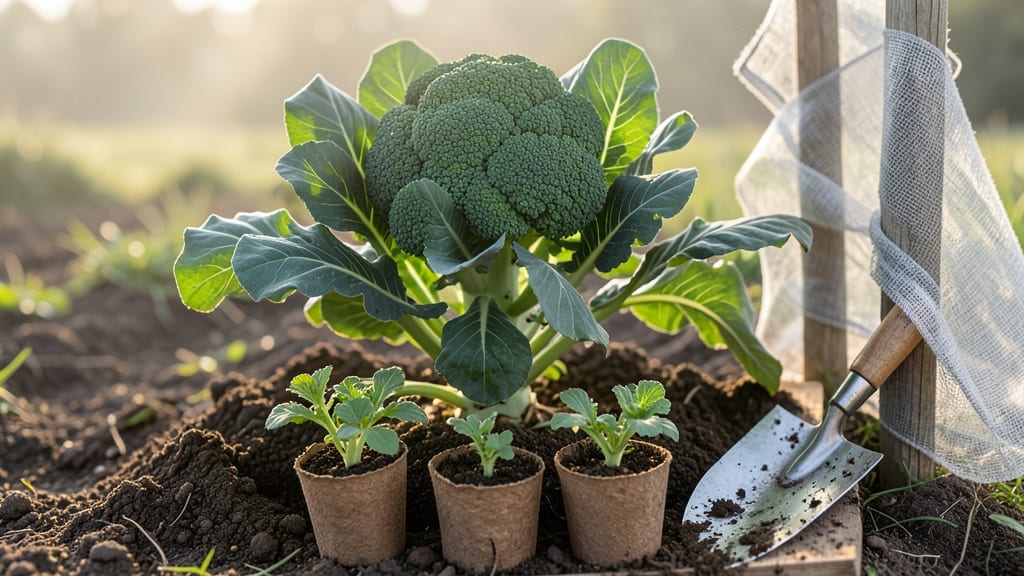
Timing when to plant a fall garden in NC can make or break your harvest—especially when those unpredictable late frosts roll in. If you plant too early, your crops might bolt; too late, and winter steals your chance at a bountiful table.
The key is knowing exactly when to get those seeds in the ground for Zone 7a-8b, where the first frost can arrive as early as November.
I’ve spent years watching my fall garden thrive (and sometimes fail) in North Carolina’s shifting climate, and I’ve learned that August through October is your golden window. But here’s the catch: the perfect timing depends on what you’re growing.
Leafy greens like kale and spinach can handle cooler temps, while root vegetables like carrots need that 4-6 week head start before frost.
What if I told you there’s a way to stretch your harvest even longer? With the right strategies—like succession planting and soil prep—you can keep enjoying fresh veggies well into December.
Let me walk you through the exact dates, zone-specific tips, and pro moves to turn your NC backyard into a fall harvest powerhouse.
Ready to beat the frost and grow like a local? Let’s dive into the zone-specific planting schedule that’ll keep your garden productive until the first snowflakes fall.
North Carolina fall planting dates by USDA Zone (with frost risk alerts)
North Carolina spans USDA Zones 7a through 8b, which means your fall planting timeline depends heavily on elevation and microclimates. Most of the state falls into Zone 7b-8a, where the average first frost arrives between October 15 and November 15.
However, mountain regions (Zone 7a) can see frost as early as September 20, while coastal areas (Zone 8b) may delay until mid-November.
To plan successfully, I recommend checking your local NC State Extension office for precise frost dates—my garden in Raleigh (Zone 7b) typically has a first frost around October 30, but I’ve seen it creep into early November in milder years.
The key is to plant 4-6 weeks before your expected frost date for a full harvest before winter sets in.
Here’s how I break it down by zone to avoid frost-related disappointments:
| USDA Zone | First Frost Date | Last Safe Planting Window | Ideal Planting Months |
|---|---|---|---|
| 7a (Mountains: Asheville, Boone) | September 20 - October 5 | August 15 - September 15 | August |
| 7b (Piedmont: Greensboro, Winston-Salem) | October 15 - October 30 | August 1 - September 20 | August-September |
| 8a (Central: Raleigh, Durham) | October 30 - November 10 | August 15 - October 5 | August-October |
| 8b (Coastal: Wilmington, Fayetteville) | November 10 - November 25 | August 30 - October 15 | September-October |
⚠️ Pro Tip: Use a frost clock or local weather alerts to adjust dates if your area trends earlier or later than average.
For Zone 7a gardeners, I recommend starting with fast-maturing crops like radishes (25 days) or bush beans (50 days) in early August.
In Zone 8b, you can push the envelope with spinach or kale planted as late as mid-October—these hardy greens often survive light frosts and even taste sweeter after a frost!
One mistake I made early on was planting slow-to-mature crops like cabbage (80+ days) too late. If you’re in Zone 7b or cooler, stick to varieties labeled "early maturity" or "cool-season" to avoid disappointment.
For example, ‘Quickstart’ broccoli matures in just 50 days, perfect for late September plantings.
Elevation also plays a role—gardens in the Blue Ridge Mountains (Zone 7a) may need to plant 2-3 weeks earlier than those in the Piedmont.
If you’re unsure, I suggest testing your soil’s hardiness by checking the NC State Extension’s interactive map or using a frost-sensitive plant (like basil) as a bio-indicator.
Finally, don’t overlook microclimates in your area. A south-facing slope or urban heat island can delay frost by 1-2 weeks. I’ve noticed my garden near a concrete driveway stays warmer at night, allowing me to plant lettuce a week later than my neighbor’s shaded yard.
To track your progress, mark your last frost date on a calendar and count backward. For example, if frost hits November 1, aim to plant leafy greens by October 15 and root crops (like carrots) by September 30.
🌱
Best fall vegetables for NC gardens (and how to stagger plantings)
North Carolina’s mild fall climate makes it perfect for growing cool-season vegetables that thrive in 50-65°F temperatures. The key to a successful fall harvest? Staggered plantings—spreading out sowing dates to ensure a continuous supply of fresh produce until the first frost.
I’ve grown everything from hardy kale to sweet carrots in my NC garden, and these are the top performers for fall.
Start with fast-maturing varieties like bush beans or radishes in early August. These give you an early harvest before cooler temps slow growth. Then, transition to cool-loving crops like broccoli and spinach in late August to early September.
For extended harvests, plant cabbage and carrots in mid-September—they’ll mature just as winter approaches.
Don’t forget about herbs and greens! Cilantro and parsley bolt in summer heat but thrive in fall’s cooler air. I’ve even grown lettuce under row covers well into November. The trick? Succession planting—sow new seeds every 2-3 weeks to keep your garden productive until frost.
- 1. Kale – Plant in late August for harvests until December. Choose Winterbor or Lacinato varieties for frost tolerance.
- 2. Broccoli – Sow in mid-August to early September for heads ready by October-November. Try Calabrese or De Cicco.
- 3. Carrots – Direct-sow in September for harvests before hard frost. Danvers or Nantes varieties work best.
- 4. Spinach – Plant in late August or September for baby leaves in 6-8 weeks. Bloomsdale is a reliable choice.
- 5. Radishes – Fast-growing! Sow every 2 weeks from August to October for continuous harvests. Try Cherry Belle or French Breakfast.
For longer harvest windows, use row covers or cold frames to protect tender crops like lettuce and spinach from early frosts. I’ve kept my arugula growing until mid-December with a simple floating row cover. Just
One mistake I see often? Overcrowding seedlings when staggering plantings. Thin seedlings to 12-18 inches apart (depending on the crop) to avoid competition. For example, broccoli plants need 18 inches of space, while radishes can grow happily 2 inches apart. Check seed packet guidelines to avoid stunted growth.
Pro tip: Mark your calendar for the average first frost date in your NC county (usually mid-November in Zone 7a, later in Zone 8b). Plant heat-tolerant varieties like Swiss chard or collard greens if you want to push your garden even later.
These cold-hardy greens taste sweeter after a light frost!