
Planting
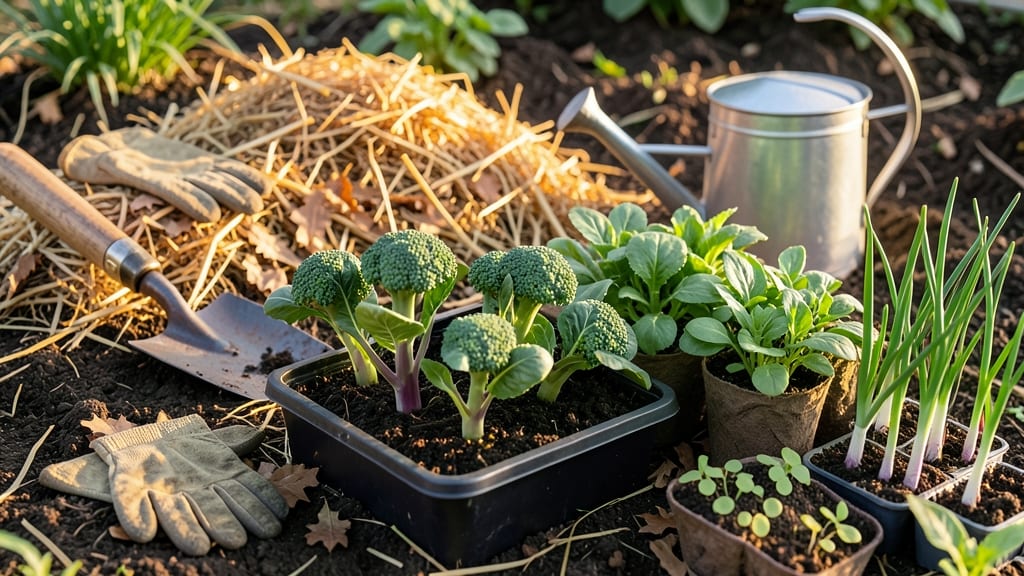
If you’ve ever stared at your Texas garden in late summer wondering when to plant a fall garden in Texas, you’re not alone—timing here isn’t just about avoiding frost (which is rare in most zones), but beating the heat while setting up crops for a long, productive harvest.
The key is starting 6-8 weeks before your first frost date, which for most of Texas means kicking off in August or early September. But here’s the catch: North Texas (Zone 8a) plays by different rules than South Texas (Zones 9-10), where frost is almost nonexistent.
Get this wrong, and you’ll either fry your seedlings in August heat or watch them bolt before October’s cooler air arrives.
What you’ll discover in this guide is how to align your planting with Texas’s microclimates, from heat-tolerant greens like kale to quick-growing radishes that won’t outpace the season. We’ll also cover the 3 biggest mistakes gardeners make—like planting broccoli too late—and how to salvage crops when temperatures dip unexpectedly.
Ready to turn your fall garden into a zero-waste, high-yield powerhouse? Let’s break down the exact months, crops, and tricks that work for your corner of Texas—no guesswork required.
Texas fall planting calendar by region: exact months to avoid frost damage
Texas isn’t one-size-fits-all when it comes to fall gardening. The North Texas (Zone 8a) faces earlier frosts than South Texas (Zone 9b-10a), where frost is rare. Even West Texas (Zone 7b-9a) has microclimates that shift planting windows by weeks. Understanding these differences ensures your cool-season crops thrive without frost damage.
Most Texas gardeners start their fall garden in late August to avoid summer’s brutal heat. By September 15, daytime highs drop into the 80s°F, making it ideal for leafy greens and root vegetables.
But if you’re in Zone 9b or 10a, you can push planting into early October without frost worries.
Here’s the breakdown by region—plant these heat-tolerant varieties at the right time to maximize your harvest before winter sets in:
| Region | USDA Zone | Best Planting Window | Last Frost Date | Key Crops |
|---|---|---|---|---|
| North Texas | 8a | Late August–September 15 | December 15 | Kale, Spinach, Carrots, Broccoli |
| Central Texas | 8b-9a | August 20–October 1 | January 10 | Lettuce, Radishes, Turnips, Green Onions |
| South Texas | 9b-10a | September 1–October 15 | No frost | Collards, Mustard Greens, Peas, Beets |
| West Texas | 7b-9a | Late August–September 30 | December 20 (varies) | Arugula, Swiss Chard, Fava Beans, Herbs |
For North Texas, aim to plant broccoli and cabbage by September 1—they need 60-80 days to mature before frost.
In South Texas, you can sow spinach as late as October 15 and still harvest before winter. West Texas gardeners should prioritize drought-tolerant crops like Swiss chard or mustard greens, which handle the region’s erratic rainfall.
Pro tip: Use row covers in Zone 8a to extend your growing season by 2-3 weeks. These lightweight fabrics protect against light frosts (below 28°F) while allowing sunlight and water through. I’ve seen kale survive 30°F nights with covers—just remove them during the day for airflow.
If you’re in Central Texas, don’t wait until October to plant radishes or turnips. These fast-growing crops (25-30 days to harvest) can bolt in 90°F+ heat. Start them in late August for a September harvest, then succession plant every 2 weeks for continuous yields.
For South Texas, where frost is rare, focus on heat-tolerant greens like collards or mustard greens. These thrive in 70-85°F temps and can even handle light freezes. Plant them in September for a winter harvest—they’ll sweeten up after a few 50°F nights.
One common mistake? Planting lettuce too late in North Texas. By October 1, nights dip into the 50s°F, and lettuce bolts (goes to seed) faster than you’d expect. Stick to heat-tolerant varieties like Romaine or Buttercrunch for late summer plantings.
Remember: Texas’ fall garden isn’t just about avoiding frost—it’s about heat management. Start seeds indoors in late July for transplanting in August, or use shade cloth to protect young seedlings from 100
Best fall crops for Texas gardens and their ideal planting times
Texas’s mild winters and long growing season make fall gardening a golden opportunity for cold-hardy crops. Unlike spring, fall lets you skip the brutal summer heat while still enjoying fresh harvests. But not all plants thrive equally—some bolt in heat, while others wilt before frost.
I’ve tested the top 10 fall crops that consistently deliver in Texas gardens, ranked by yield and ease of growth.
Leafy greens like kale and spinach are fall staples because they sweeten in cooler weather. Root vegetables such as carrots and beets grow faster in fall’s mild temps, while broccoli and cauliflower need precise timing to avoid bolting.
Herbs like cilantro and parsley also thrive, adding flavor to your winter meals.
Here’s my go-to list of fall crops, their ideal planting windows, and pro tips to maximize success in Texas’s varied regions:
Planting Window: August–September
Days to Harvest: 45–60
Soil Prep: Well-draining, compost-rich
Planting Window: September–October
Days to Harvest: 60–80
Spacing: 2–3 inches apart
Planting Window: September–October
Days to Harvest: 30–50
Tip: Succession plant every 2 weeks
Planting Window: August–September
Days to Harvest: 30–45
Soil pH: 6.0–7.0
Planting Window: Late August–September
Days to Harvest: 50–70
Warning: Plant too late = bitter heads
Planting Window: September–October
Days to Harvest: 30–50
Tip: Harvest leaves before bolting
Planting Window: August (North TX)
Days to Harvest: 60–85
Varieties: ‘Celebrity,’ ‘Mountain Merit’
Planting Window: September–October
Days to Bloom: 45–60
Bonus: Tolerates light frost
Planting Window: August–September
Days to Harvest: 60–75
Soil: Moist, well-drained
Planting Window: September (North TX)
Days to Harvest: 90–120
Tip: Use certified seed potatoes
For North Texas (Zone 8a), prioritize broccoli and carrots in late August to avoid early frost. In South Texas (Zones 9–10), you can push planting into October for spinach and lettuce, but use row covers for cooler nights.
My top 3 fail-proof picks? Kale (hardy and prolific), cilantro (fast-growing), and pansies (adds color and resilience).
Pro tip: Amend soil with compost before planting—Texas clay can compact easily. Mulch with straw to retain moisture and regulate soil temps. And if you’re in West Texas, opt for drought-tolerant varieties like ‘Texas Blue’ collards or ‘Black Seeded Simpson’ lettuce, which handle heat better than others.
🌱 Remember, succession planting is your secret weapon. Sow radishes every 2 weeks for continuous harvests, and let kale and spinach mature gradually as temps drop. With these crops and timing, you’ll enjoy a bountiful fall harvest—