
Plants
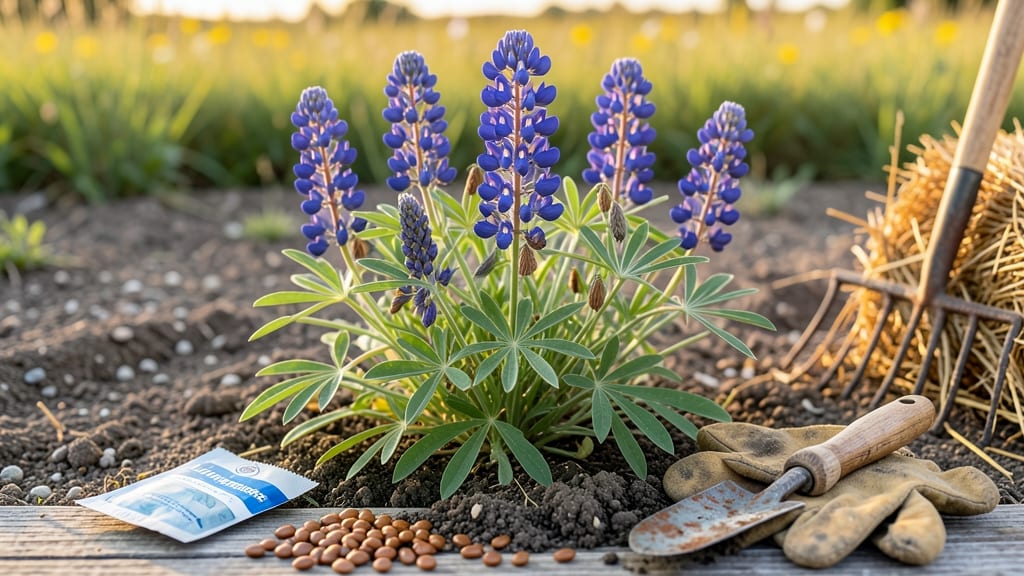
Best fall planting windows for bluebonnet seeds in North Texas
Bluebonnets (Lupinus texensis) thrive in North Texas’s USDA Zone 8a when planted during cool fall months. The ideal window is between mid-September and mid-October, when soil temperatures drop below 80°F but before the first frost (November 15).
This timing ensures seeds germinate in spring—just as winter rains arrive to support growth.
Timing matters because bluebonnet seeds need 60-90 days of cold stratification to break dormancy. Planting too early (August) risks premature germination from summer heat, while planting too late (November) may leave seeds exposed to freezing temperatures, killing them before sprouting.
North Texas’s diverse microclimates—from Dallas-Fort Worth’s urban heat islands to the Panhandle’s cooler nights—can shift optimal dates by 1-2 weeks. Adjust based on your location: East Texas may push planting to late October, while the Panhandle can start as early as August.
| Region | Ideal Planting Window | Soil Temp Goal (°F) | Key Risk |
|---|---|---|---|
| Dallas-Fort Worth | Mid-September to early October | 60–75°F | Urban heat delays germination |
| Panhandle | Late August to mid-September | 55–70°F | Early frosts can strike by October |
| East Texas | Late September to late October | 65–80°F | Humidity increases fungal risks |
Check your local first frost date (typically November 15 in North Texas) and count backward 8–10 weeks to determine your planting window. For example, if frost hits November 1 in your area, aim to plant by September 15.
Bluebonnets love full sun (6+ hours daily), so choose a south-facing slope or open meadow. Avoid low-lying areas where cold air pools—these spots can delay germination or cause seed rot.
Test soil moisture before planting: stick your finger 2 inches deep; if dry, water lightly 24 hours prior.
Pro tip: Use a seed spreader for even distribution. Scatter seeds sparingly—they self-thin naturally. A light raking (¼ inch deep) is optional; bluebonnets often germinate better when barely covered. Avoid fertilizing at planting; bluebonnets prefer lean, rocky soil.
After sowing, water lightly to settle seeds into soil, then let nature take over. Bluebonnets are drought-tolerant once established, but consistent moisture during their first 4–6 weeks is critical. Mulch with straw (not wood chips) to retain moisture without smothering seeds.
Monitor for voles or birds, which may snack on seeds. Use wire mesh cages over newly planted areas until sprouts appear. If planted correctly, you’ll see tiny blue sprouts by February, followed by vibrant blooms by March or April.
For a guaranteed show, plant in odd-numbered years (e.g., 2025, 2027). Bluebonnets often skip blooming in even-numbered years due to natural seed cycles. Pair with wild indigo or coreopsis for extended color.
🌱
Best fall planting windows for bluebonnet seeds in North Texas
Bluebonnets (Lupinus texensis) thrive in North Texas when planted in fall, but the exact timing depends on your USDA zone and local climate patterns. For Dallas-Fort Worth (Zone 8a), aim for mid-September to early October—this gives seeds time to germinate before winter dormancy.
In the Panhandle (Zone 7b), plant slightly earlier (late August to mid-September) to avoid early frosts.
East Texas (Zone 8b) gardeners can extend planting until mid-November, but avoid sowing after the first frost (mid-November in most areas). The key is to plant when soil temperatures drop below 80°F but before hard frosts (below 28°F) hit.
This ensures seeds germinate but don’t rot in summer heat or freeze before establishing roots.
Pro Tip: Check your local first frost date (typically November 15 in North Texas) and plant 6-8 weeks before to guarantee success. For example, if frost arrives November 15, aim for September 20-October 1 planting.
Bluebonnet Planting Timeline by North Texas Region
| Region | USDA Zone | Ideal Planting Window | Soil Temp Goal | Avoid Planting After |
|---|---|---|---|---|
| Dallas-Fort Worth | 8a | Mid-Sept to Early Oct | Below 80°F | Nov 1 (frost risk) |
| Panhandle | 7b | Late Aug to Mid-Sept | Below 75°F | Oct 15 (earlier frost) |
| East Texas | 8b | Sept to Mid-Nov | Below 85°F | Nov 15 (first frost) |
🌱 Note: Adjust for microclimates—higher elevations (e.g., Hill Country) may need earlier planting.
Bluebonnets need cold stratification to break dormancy, which happens naturally during North Texas winters. Planting in fall lets seeds experience moist, cool soil for 6-8 weeks before winter dormancy. This mimics their native prairie conditions, where seeds germinate after summer rains and winter chilling.
If you miss the fall window, spring planting is possible but riskier. Sow seeds in early March only if you can keep soil moist until germination (typically 2-4 weeks). Spring-planted bluebonnets often bloom later or less vigorously due to summer heat stress.
For maximum blooms, pair fall planting with well-drained soil and minimal disturbance. Bluebonnets are drought-tolerant once established, but young seedlings need consistent moisture. Aim for 1 inch of water per week until roots develop (4-6 weeks after planting).