
Planting
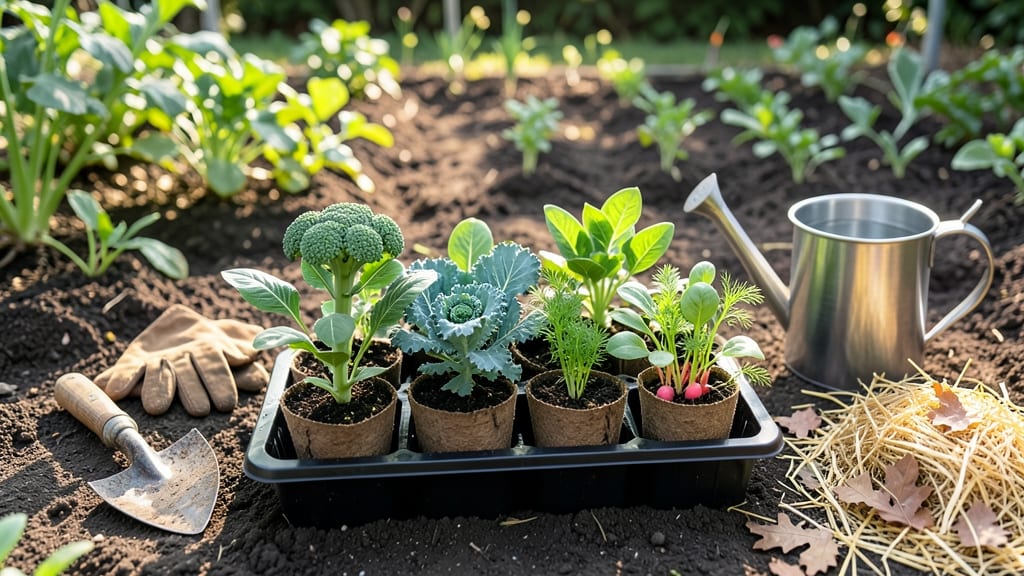
Knowing when to plant fall garden in Central Texas could mean the difference between a thriving harvest and wilted disappointment. The key isn't just waiting for cooler weather—it's timing your plantings to beat the heat while setting up your crops for success before the first frost.
Central Texas gardeners face unique challenges with its 8a-8b climate, where summer lingers into October and early frosts can sneak up by November. But with the right strategy, you can grow heat-resistant vegetables like okra, sweet potatoes, and black-eyed peas that thrive even as temperatures dip.
The secret? Starting mid-August and working your way through early October.
I've tested these methods in my own garden, and the results speak for themselves: bigger yields, healthier plants, and harvests that last well into December.
Whether you're a seasoned gardener or just starting out, these exact planting windows will help you avoid common pitfalls and maximize your fall garden's potential.
Let's break down the optimal planting schedule, the best crops for your region, and smart techniques to extend your growing season—so you can enjoy fresh, homegrown produce long after summer fades away.
Best heat-resistant vegetables for Central Texas fall planting
Central Texas summers can stretch into late August and September, making traditional fall crops like lettuce or broccoli risky. Instead, focus on heat-tolerant vegetables that thrive in temperatures up to 95°F while still producing quality harvests before the first frost around November 15.
These varieties not only survive but often flourish in the region’s intense heat, giving you a head start on your fall garden.
The key is selecting crops with deep root systems or thick waxy leaves that retain moisture. For example, okra and sweet potatoes love the heat and can even be planted as early as mid-August, while Malabar spinach and black-eyed peas handle late-summer conditions like champions.
These plants also align perfectly with Central Texas’ USDA Zones 8a-8b, where the growing season extends longer than many northern regions.
Here’s a curated list of top heat-resistant vegetables for your fall garden, complete with their ideal planting windows and care notes to maximize your harvest:
| Variety | Heat Tolerance (°F) | Planting Window | Days to Harvest | Care Tips |
|---|---|---|---|---|
| Okra | 90-100°F | Mid-August to early September | 50-65 days | Needs well-draining soil; harvest pods 3-4 inches long. |
| Sweet Potatoes | 85-95°F | Late July to early August | 90-120 days | Plant slips in warm soil; mulch heavily to retain moisture. |
| Malabar Spinach | 80-100°F | August to early September | 45-55 days | Thrives in partial shade; harvest young leaves for tenderness. |
| Black-Eyed Peas | 75-90°F | Late August to September | 60-70 days | Sow after soil temps drop below 85°F; stake for support. |
| Swiss Chard | 70-85°F | Late August to early October | 50-60 days | Tolerates light frost; harvest outer leaves first. |
| Collard Greens | 65-80°F | September to early October | 60-70 days | Plant 4-6 weeks before frost; thrives in cooler fall temps. |
For maximum yield, pair these heat lovers with cool-season crops like kale or turnips once temperatures dip below 80°F in late September. Start cool-season seeds indoors in early August to transplant outdoors by mid-September, giving them a jump on the season.
This two-tiered approach ensures your garden stays productive from August through November, even as the heat transitions to cooler fall days.
One of my favorite tricks is to interplant heat lovers like okra with cooler crops. For example, sow collard greens around the base of okra plants in early September.
The okra will provide light shade for the collards as they establish, while the collards won’t compete for nutrients until the okra is harvested. This companion planting strategy extends your harvest window by 2-3 weeks and reduces stress on both plants.
When selecting seeds, opt for heirloom varieties where possible—they often have better heat tolerance than hybrid counterparts. For instance, ‘Clemson Spineless’ okra and **
Exact planting dates for fall garden success in Central Texas
Timing is everything when planting a fall garden in Central Texas. The key window runs from mid-August through early October, but exact dates depend on your microclimate and the crop.
In USDA Zones 8a-8b, the average first frost date is November 15, so plan to harvest before then.
For direct-sown seeds, start in late August for fast-growing crops like radishes or lettuce. Transplant seedlings of broccoli, kale, or cabbage in early September to give them 6-8 weeks to mature before frost. The last safe planting window closes by mid-October—any later risks stunted growth.
Central Texas’ heat islands (urban areas) can delay frost by 1-2 weeks, while rural spots may see frost earlier. Check your local Cooperative Extension Service for precise frost dates in your area. Succession planting every 2 weeks from August to October ensures a continuous harvest.
📅 Numbered Highlights: Central Texas Fall Planting Timeline
- 🌱 Late August: Sow heat-tolerant seeds (okra, malabar spinach, black-eyed peas) directly into soil.
- 🌿 Early September: Transplant seedlings (broccoli, kale, carrots) for 6-8 week harvests before frost.
- ☀️ Mid-September: Start shade cloth for delicate greens (lettuce, spinach) to prevent bolting.
- 🍂 Late September: Plant cold-hardy crops (turnips, radishes, arugula) for late fall harvests.
- ⏰ Mid-October: Last call for direct sowing—focus on fast maturing varieties (e.g., bush beans in 50 days).
Adjust planting dates based on your garden’s sun exposure. Shady spots may need earlier sowing, while south-facing beds can handle later plantings. Always water deeply after transplanting to reduce shock, especially in Central Texas’ 90°F+ soil temperatures.
Pro tip: Use row covers in late September to protect tender crops from unexpected cold snaps. Monitor your garden’s microclimate—urban areas stay warmer longer, while elevated spots frost faster. Mark your calendar for the November 15 frost date and plan harvests accordingly.
For container gardens, start seeds indoors in early August and transplant by mid-September. Containers dry out faster, so water twice daily during heatwaves. With these precise dates, your fall garden will thrive until the first frost! 🌿