
Plants
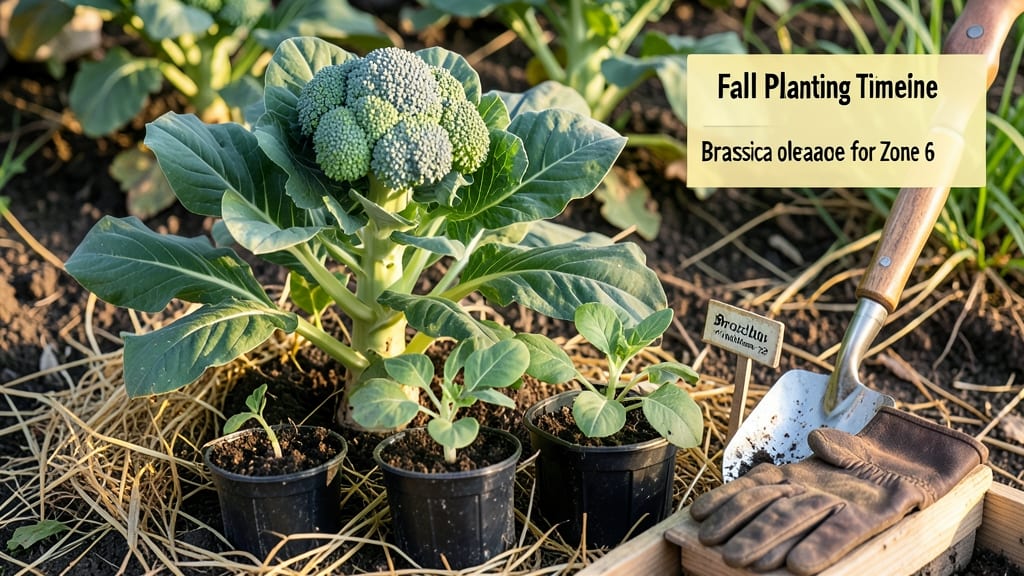
Knowing when to plant fall crops in Zone 6 isn’t just about checking a calendar—it’s about reading your soil and understanding frost patterns before they sneak up on you. With just 4-6 weeks until the first frost, timing can mean the difference between a thriving garden and wasted seeds.
In Zone 6 (General), where temperatures swing wildly between 6a-6b, planting too early risks bolting greens or stunted growth, while waiting too long cuts your harvest short.
The key? Start seeds indoors in mid-August or transplant hardy crops like kale and carrots by late August—before the ground cools below 50°F.
I’ll break down exactly how to sync your planting with soil temps, frost-free windows, and even microclimates in your area. No more guesswork—just a clear schedule so you can enjoy fresh spinach in October or store carrots through December.
Ready to turn your fall garden into a harvest goldmine? Let’s dive into the precise timing and tricks that work for Zone 6 gardeners—no matter where you fall in the zone.
Zone 6 fall planting timeline by soil temperature (not just dates)
Fall planting in Zone 6 isn’t just about calendar dates—it’s about soil temperature. Cool-season crops like kale and spinach thrive when soil cools below 80°F, while root vegetables need 50-65°F for germination.
Ignoring soil temps means risking poor growth or frost damage. Let’s break down the ideal planting windows based on what’s happening underground.
Most Zone 6 gardeners assume mid-September is the magic month, but that’s only half the story. The first frost date (typically October 15) and soil temperature drops are your true guides. Plant too early, and your leafy greens bolt; too late, and your root crops won’t mature before winter.
The sweet spot? 4-6 weeks before frost, when soil temps hover around 50-70°F.
Here’s the soil temperature cheat sheet for 10+ key fall crops, including when to sow seeds or transplant seedlings for maximum success in Zone 6a-6b:
| Crop | Ideal Soil Temp (°F) | Planting Window (Zone 6) | Days to Harvest | Notes | |||||||||||||||||||
|---|---|---|---|---|---|---|---|---|---|---|---|---|---|---|---|---|---|---|---|---|---|---|---|
| Kale | 50-70°F | Late July–early Sept | 45-60 | Tolerates light frost; sweeter after frost | |||||||||||||||||||
| Spinach | 50-65°F | Mid-Aug–early Sept | 30-50 | Bolts in heat; avoid planting after Sept 1 | |||||||||||||||||||
| Carrots | 55-70°F | Late July–mid-Sept | 60-80 | Loose soil prevents forking; harvest before hard frost | |||||||||||||||||||
| Radishes | 50-75°F | Late July–early Oct | 25-30 | Fast growers; succession plant every 2 weeks | |||||||||||||||||||
| Beets | 55-65°F | Mid-Aug–early Sept | 50-60 | Harvest before tops get too large | |||||||||||||||||||
| Lettuce | 50-60°F | Late Aug–mid-Sept | 30-50 | Heat-tolerant varieties like ‘Black Seeded Simpson’ work best | |||||||||||||||||||
| Broccoli | 50-65°F | Late July–early Sept | 60-80 | Transplant seedlings for faster growth | |||||||||||||||||||
| Swiss Chard | 50-70°F | Late July–early Sept | 50-60 | Cut-and-come-again harvest; cold-hardy | |||||||||||||||||||
| Crop | Soil Temp for Planting | Planting Window (Zone 6) | Days to Harvest |
|---|---|---|---|
| Kale | 50°F–65°F | Mid-August to early Sept | 30–60 days |
| Spinach | 45°F–60°F | Late Aug to mid-Sept | 35–50 days |
| Carrots | 55°F–70°F | Early Aug to Sept | 50–80 days |
| Radishes | 45°F–75°F | Late July to Oct | 20–30 days |
| Broccoli | 60°F–70°F | Mid-Aug to Sept | 50–70 days |
For slow-to-germinate seeds like carrots or onions, start in late July when soil is still warm but cooling. By mid-September, focus on hardy greens (kale, arugula) that tolerate light frost.
Pro tip: Succession plant fast growers like radishes every 2 weeks for continuous harvests. Use row covers to extend the season by 2–4 weeks if frost threatens early.
Remember, Zone 6’s first frost typically hits October 15, but microclimates (like urban areas) can delay it by 1–2 weeks. Adjust your timeline if you’re in a warmer pocket!