
Plants
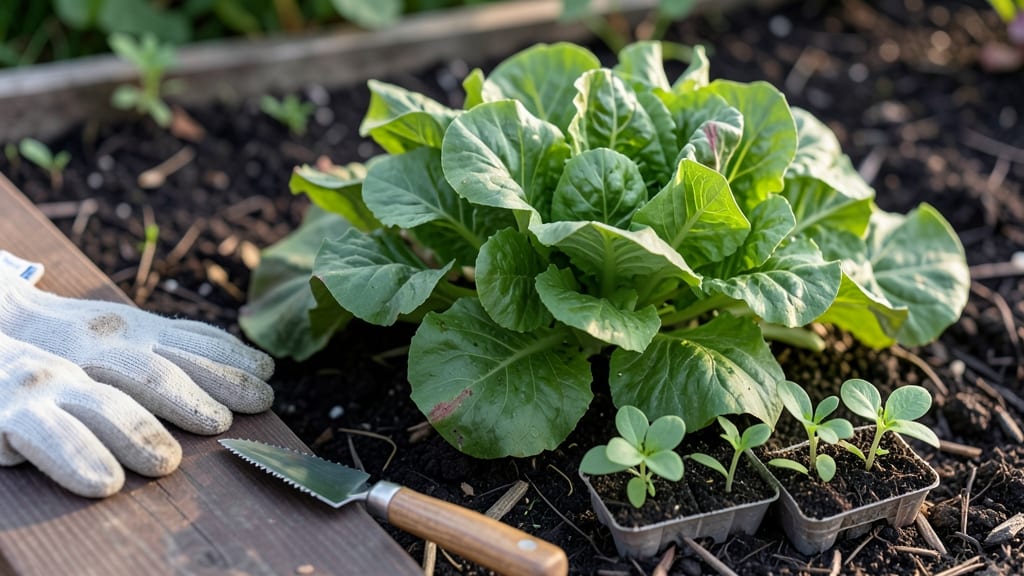
If you've ever planted lettuce 🥬 in Texas only to watch it bolt faster than a jackrabbit in July, you're not alone. The key to crisp, delicious heads lies in timing—specifically, knowing when to plant for your region's unique climate.
Texas gardeners have two prime windows to avoid that bitter disappointment: fall and spring.
Fall plantings are your safest bet, with ideal timing starting in late summer through early October. This gives your lettuce 🥬 enough cool weather to mature before winter chill sets in.
But don't wait too long—North Texas' first frost can arrive as early as mid-November, while South Texas stays frost-free longer.
Spring plantings require extra care to beat Texas heat. Start seeds indoors in February or use shade cloth to protect young plants from bolting. The right varieties and soil prep can make all the difference between a thriving garden and a sad, bitter harvest.
Let's break down the exact planting deadlines and strategies for your Texas region—so you can enjoy fresh lettuce 🥬 from October through May without the stress of bolting. You'll learn which months work best, how to handle microclimate differences, and which varieties stay crisp even when temperatures rise.
Texas lettuce planting calendar: fall deadlines to prevent bolting
Texas’s fall planting window is your golden ticket to crisp, bolt-free lettuce—but timing is everything. If you plant too early, your seedlings will stretch toward the sun; too late, and winter chill will slow growth.
The key? Start seeds or transplants 8-10 weeks before your first frost, with regional adjustments for North, Central, and South Texas.
For most of Texas, this means mid-August to early September for direct sowing, or late August to mid-September for transplants. In North Texas (USDA Zone 8a), aim for September 1-15 to avoid early freezes.
South Texas gardeners (Zone 9a-10b) have until October 15—but watch for unpredictable cold snaps after Halloween.
Pro tip: Use shade cloth (30-50%) if planting in late summer heat (August). This buys you 2-3 extra weeks before bolting kicks in. Pair it with drip irrigation to keep soil evenly moist—Texas’s dry winds can stress young seedlings faster than you’d think.
Here’s your fall planting timeline, broken down by region and task:
🌱 Texas Fall Lettuce Planting Summary
| Region | Last Direct Sow Date | Last Transplant Date | First Frost Risk | Heat Tolerance Tip |
|---|---|---|---|---|
| North Texas (Zone 8a) | September 15 | October 1 | Mid-November | Use shade cloth after Sept 1 |
| Central Texas (Zone 8b) | October 1 | October 15 | Late November | Succession plant every 2 weeks |
| South Texas (Zone 9a-10b) | October 15 | November 1 | Rare before Dec 20 | Choose heat-tolerant varieties |
📌 Note: Adjust dates 1-2 weeks earlier for high-altitude areas (e.g., Hill Country) or later for coastal regions.
Don’t let September’s heat fool you—even in South Texas, planting lettuce after October 15 risks bolting before harvest. The secret? Start with heat-tolerant varieties like ‘Jericho’ or ‘Black Seeded Simpson’, which handle 80°F soil temps better than standard leaf lettuce.
Pair them with mulch (2-3 inches of straw) to keep roots cool.
For North Texas gardeners, your last chance for a fall crop is early October. After that, focus on winter protection: Use row covers or cold frames to extend harvests until March.
I’ve had ‘Winter Density’ lettuce survive 20°F nights with just a lightweight frost blanket—but always check soil temps (keep above 40°F for best growth).
One common mistake? Overcrowding seedlings to save space. Thin to 12-15 inches apart—lettuce needs room to bolt-resistant growth. In my Central Texas garden, I lost an entire batch of ‘Romaine’ to premature bolting last year because I planted them too close together in August heat.
Lesson learned: Space is more important than density in Texas summers.
Finally, succession planting is your best friend. Sow new seeds every 2-3 weeks from August through October to ensure a steady supply. I’ve timed it so my last harvest is in early May, just as spring heat starts to ramp up.
With this schedule, I avoid the July bolting curse entirely.
🌿 Key Takeaway: Texas lettuce thrives in cool weather (60-70°F), but heat tolerance + regional timing are the real game-changers. Master these deadlines, and you’ll enjoy crisp, sweet lettuce from October through May—no bitter surprises included.
Spring lettuce planting secrets: how to beat Texas heat without bolting
Spring in Texas is a double-edged sword for lettuce lovers—warm days can trigger bolting, but skipping spring entirely means missing out on crisp, sweet harvests. The key? Planting at the right soil temperature and choosing varieties that tolerate mild heat.
I’ve learned the hard way that March is your best bet, but timing depends on your Texas region.
North Texas gardeners should aim for mid-March plantings, while Central and South Texas can start slightly earlier in late February. The secret weapon? Shade cloth—I use 30-50% shade during peak afternoon heat to keep leaves tender.
Without it, even heat-tolerant varieties like 'Jericho' will bolt faster than you can say "Texas summer."
Here’s the critical threshold: Lettuce seeds won’t germinate well in soil warmer than 75°F. Use a soil thermometer to check—if it’s above that, wait or use shade cloth over seed beds. I’ve had success with succession planting every 2 weeks in March to stretch harvests until May.
Spring Planting Pros & Cons
✅ DO:
- Use shade cloth (30-50%) to block afternoon sun
- Plant heat-tolerant varieties like 'Black Seeded Simpson'
- Water deeply in morning to prevent stress
- Succession plant every 2 weeks for continuous harvest
- Test soil temp before planting (keep under 75°F)
❌ DON'T:
- Avoid planting after April—bolting risk skyrockets
- Don't skip shade cloth in full sun garden beds
- Never water at night—promotes fungal diseases
- Avoid over-fertilizing with nitrogen (triggers bolting)
- Don't plant in hot soil—wait for cooler evenings
For fast-maturing varieties, I recommend 'Little Gem' (30 days) or 'Salad Bowl' (45 days)—they’ll give you harvests before Texas heat fully sets in. Slow-bolting types like 'Winter Density' (60 days) are worth the wait for larger heads, but only if you’re committed to shade management.
The golden rule for spring lettuce? Harvest before bolting begins. Watch for flower stalks—once they appear, the leaves turn bitter. I cut outer leaves first to encourage regrowth, and if the center bolts, I pull the whole plant and replant.
It’s a sacrifice, but it keeps your garden productive.
Pro tip: Pair lettuce with radishes or carrots in spring—they thrive in the same conditions and help deter pests. Just remember, once May arrives, it’s time to switch to heat-loving crops like okra or sweet potatoes—lettuce won’t survive Texas’s 100°F+ days without bolting. 🥬