
Plants
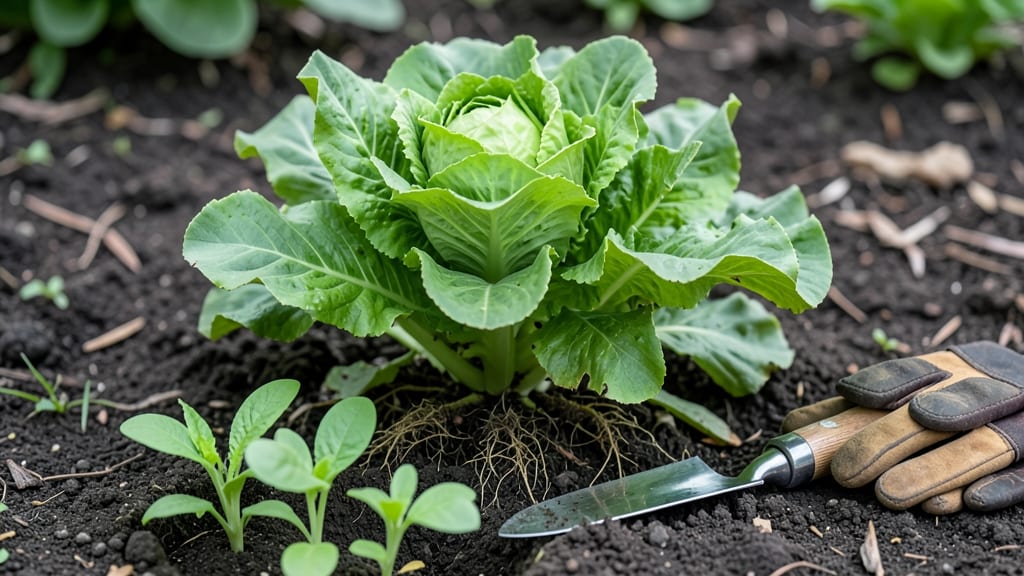
Planting lettuce in Georgia at the wrong time can turn your crisp, fresh 🥬 dreams into bitter, bolted disappointment—but getting the timing right means homegrown salads all season long.
Georgia’s mild winters and hot summers create a narrow window for successful lettuce growth, but with the right strategy, you can enjoy fresh harvests in both spring and fall. The key is planting when soil temperatures stay cool enough to prevent bolting, while avoiding frost that can damage tender leaves.
Whether you’re a seasoned gardener or just starting out, I’ll break down the perfect planting schedule for your 7b-8a zone—including when to start seeds indoors and how to extend your harvest through succession planting. Let’s make sure your garden stays full of flavor, not frustration.
From late winter to early spring and again in early fall, these timing tips will help you grow lettuce that’s crisp, sweet, and ready to harvest when you need it most. Ready to transform your garden into a lettuce powerhouse?
Georgia’s ideal lettuce planting windows: fall vs spring timing explained
Georgia’s climate—with its hot, humid summers and mild winters—creates two perfect windows for growing crisp, sweet lettuce. Timing your plantings to align with cool-season growth and avoiding bolting triggers (like temperatures above 80°F) is the secret to success.
Let’s break down the exact months and conditions for each season.
For spring plantings, aim to sow seeds 4-6 weeks before your last frost date, typically between late February and early March. In Georgia’s USDA Zones 7b-8a, this usually means starting seeds indoors in February and transplanting outdoors after mid-March.
The goal is to harvest before the heat of May and June causes bolting.
Your fall planting window opens in early August, giving lettuce time to mature before first frost (usually mid-November). This second harvest is often more reliable because summer’s intense heat has passed, and soil temperatures are cooling. Let’s dive into the specifics with this quick reference table.
| Season | Planting Window | Soil Temp (°F) | Key Consideration |
|---|---|---|---|
| Spring | Late February - Early March | 45-65°F | Avoid bolting by harvesting before May heat |
| Fall | Early August - Mid-September | 60-75°F | Cool nights prevent bolting; harvest before first frost |
In Zone 7b (northern Georgia), you can push spring plantings slightly later—even into early April—if you use shade cloth during peak afternoon heat. For Zone 8a (southern Georgia), start fall plantings by mid-July to beat the heat. The key is to keep soil temperatures below 75°F for optimal growth.
Pro tip: Use a soil thermometer to monitor conditions. Lettuce roots thrive in 50-70°F soil, but temperatures above 80°F trigger bolting. If your soil runs hotter, opt for heat-tolerant varieties like Jericho or Romaine and plant in partial shade.
For succession planting, make weekly sowings every 2-3 weeks during your planting window. This staggered approach ensures a continuous harvest and reduces the risk of losing your entire crop to bolting or pests. Pair this with drip irrigation to maintain even moisture without stressing the plants.
One common mistake is planting too early in spring or too late in fall. If you sow seeds in January, they’ll bolt before you can harvest. Similarly, planting after mid-September risks frost damage before maturity. Always check your local frost dates and adjust by 4-6 weeks for planting.
Finally, enrich your soil with compost before planting. Lettuce is a light feeder, but nutrient-rich soil prevents bitterness and bolting. Aim for a pH of 6.0-7.0—Georgia’s clay soils often need lime or sulfur to balance pH. Test your soil in fall to prepare for spring plantings.
By following these seasonal guidelines, you’ll enjoy crisp, sweet lettuce from April through November—no bitter bolting in sight! 🥬
Georgia’s ideal lettuce planting windows: fall vs spring timing explained
Lettuce thrives in Georgia’s cool seasons, but timing is everything to avoid bolting (the bitter, flower-producing phase). In USDA Zones 7b-8a, your two best windows are late winter/early spring and early fall, each with unique soil temperature requirements.
For spring plantings, aim for February to March—4 to 6 weeks before your last frost date (typically mid-March). Soil temperatures should stay below 75°F to prevent bolting. In fall, plant August to September for harvests before the first frost (mid-November).
Soil temperatures are your secret weapon. Lettuce roots prefer 45°F to 65°F for germination. Use a soil thermometer to confirm—if it’s above 70°F, wait or use shade cloth.
| Season | Optimal Planting Months | Soil Temp (°F) | Key Tip |
|---|---|---|---|
| Spring | February–March | 45–65°F | Plant 4–6 weeks before last frost |
| Fall | August–September | 50–68°F | Harvest before first frost (mid-November) |
Pro tip: Succession plant every 2 weeks in spring for continuous harvests. Start with leaf lettuce varieties—they’re more heat-tolerant than head lettuce and can handle Georgia’s unpredictable spring warmth.
In northern Georgia (Zone 7b), you might squeeze in a late-summer planting (July) for a fall harvest, but use shade cloth to protect seedlings from intense sun. Southern Georgia (Zone 8a) gardeners should focus on fall-only plantings to avoid summer’s heat.
Monitor your microclimate—shady spots under trees or near buildings can stay cooler, extending your growing window by 2–3 weeks in spring or fall. Pair this with mulch to retain moisture and regulate soil temps.