
Plants
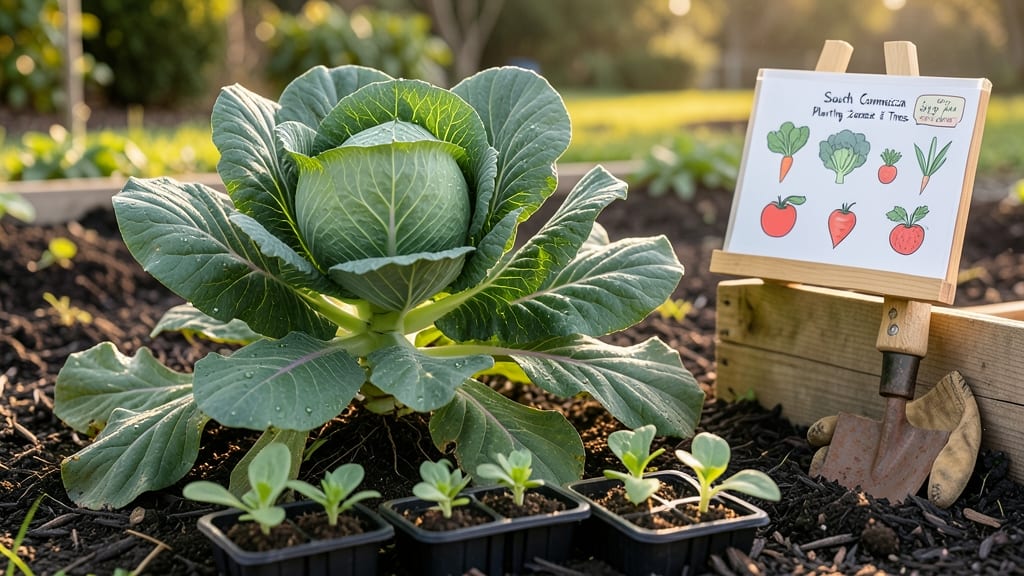
Knowing when to plant cabbage in South Carolina is the secret to avoiding bitter, bolted plants—especially in our hot summers. That last thing you want is your 🥬 turning into a sad, flowering mess before you even get a harvest.
The good news? With the right timing and heat-tolerant varieties, you can grow crisp, sweet cabbage twice a year without the stress.
South Carolina’s 7b-8a climate gives you two perfect windows: early spring (March-April) and fall (August-September). Planting too late in spring or too early in fall risks bolting, but with bolt-resistant varieties like ‘Cavalo’ or ‘Savoy King,’ you’ll have a better shot at success.
Let’s break down the exact months to plant—and how to keep your cabbage happy through our sweltering summers.
You don’t need a green thumb to grow cabbage in SC, but you do need to understand the temperature thresholds that trigger bolting. Coastal areas have slightly different timing than Upstate, and soil prep matters just as much as planting dates.
I’ll show you how to time it right for maximum harvests—so you can enjoy fresh, homegrown cabbage from June through November.
Ready to skip the guesswork? We’ll cover the best varieties for your zone, soil prep tricks, and even how to stretch your growing season with shade cloth. By the end, you’ll know exactly when to plant for zero bolt risk—and why waiting until May is a recipe for disappointment.
South Carolina cabbage planting calendar: exact months to avoid bolting
South Carolina’s USDA Zones 7b-8a give you two prime windows to grow cabbage: cool spring and mild fall. Planting outside these windows risks bolting—when heat triggers premature flowering. Let’s break down the exact months and microclimate adjustments for Upstate vs. Coastal SC.
For spring planting, aim for March 1–April 15 in Upstate SC and February 15–March 30 in Coastal areas. Soil should reach 50°F consistently. Coastal regions warm faster, so start earlier. For fall planting, target August 1–September 15—cooling temps after summer’s peak prevent bolting.
Here’s your heat-tolerant planting calendar with temperature thresholds and regional tweaks:
| Season | Planting Window | Ideal Soil Temp (°F) | Upstate SC Adjustment | Coastal SC Adjustment | Heat-Tolerant Variety |
|---|---|---|---|---|---|
| Spring | March 1–April 15 | 50–65°F | Wait until April 1 (cooler nights) | Start Feb 15 (warmer soils) | Cavalo (75 days) |
| Summer | Avoid (bolting risk) | N/A | Use shade cloth if attempting | Same—extreme heat triggers bolting | None recommended |
| Fall | August 1–September 15 | 60–75°F | Plant by Aug 15 (cooler nights) | Extend to Sept 30 (milder coastal temps) | Savoy King (80 days) |
| Winter | October 1–November 15 | 45–55°F | Use row covers for frost protection | Plant late Oct (warmer microclimates) | Tendercrisp (65 days) |
Upstate SC’s higher elevation means cooler nights—delay spring planting by 2 weeks compared to Coastal areas. Coastal gardeners can push fall planting into late September thanks to milder ocean breezes. Always monitor 7-day forecasts for heatwaves during fall planting.
For succession planting, sow new seeds every 2 weeks during your chosen window. This ensures a continuous harvest and reduces bolting risk by avoiding overcrowded plants. Space seedlings 18–24 inches apart for optimal airflow and head development.
Pro tip: Test your soil’s pH (6.0–7.0) before planting. South Carolina’s clay-heavy soils often need compost or peat moss to improve drainage. Amend beds 2–3 weeks before transplanting for best results.
Remember: Bolting is triggered by consistent temps above 80°F or long daylight hours. Fall-planted cabbage benefits from shorter days in October, while spring crops need quick maturity before summer heat arrives.
🌱
South Carolina cabbage planting calendar: exact months to avoid bolting
South Carolina’s humid subtropical climate (USDA zones 7b-8a) creates two ideal cabbage planting windows: early spring and late summer. Timing is everything—plant too late, and your cabbage will bolt (go to seed) in the heat.
Too early, and frost will damage tender seedlings. Let’s break down the perfect months for each season.
For spring plantings, aim for mid-March to early April when soil temperatures hit 50°F+. This gives your cabbage 60-75 days of cool weather to mature before summer’s heat arrives. Coastal areas like Charleston can plant 2 weeks earlier than Upstate regions like Greenville, thanks to milder winters.
Fall is your second chance! Start seeds indoors in early August for transplanting by late August. This ensures heads form before first frost (Nov 15). In the Upstate, where nights cool faster, you might squeeze in a third planting in early September for a late-fall harvest.
Pro microclimate tip: Coastal SC gardeners can push spring plantings to early February under row covers to beat the heat. Inland areas should wait until mid-March to avoid frost damage. Always check your local frost dates—they vary by 5-10 days across the state!
For succession planting, sow every 2-3 weeks during your window to ensure a continuous harvest. This works especially well for fall plantings, where staggered sowings give you cabbage from October through November. Just remember: never plant after July 15—your cabbage will bolt before forming heads.
Watch for soil warmth—stick your finger 2 inches deep. If it feels cooler than your wrist, wait. Use a soil thermometer for precision. In my Upstate garden, I’ve seen seedlings stunt or die when planted in 45°F soil, even if air temps were perfect.
Now that you’ve got your planting calendar, pair it with heat-tolerant varieties (we’ll cover those next!) to grow cabbage that’s crisp, sweet, and bolt-free all season long. 🥬