
Plants
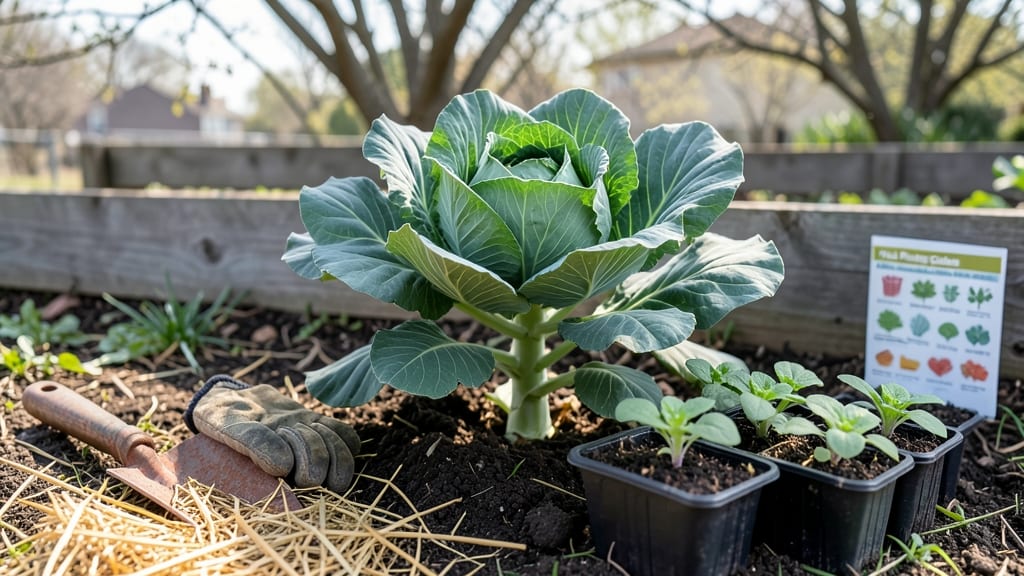
If you’ve ever wondered when to plant cabbage in Georgia and still end up with bitter, bolted heads, you’re not alone.
The key to sweet, crisp 🥬 harvests lies in precise timing—plant too early, and frost will ruin your crop; too late, and Georgia’s summer heat sends cabbage racing to seed before you can enjoy it.
Georgia’s unique climate, with its mild winters and long growing season, actually gives you two prime windows to plant cabbage successfully. But without the right schedule, even the hardiest varieties will struggle.
Whether you’re a first-time gardener or a seasoned green thumb, knowing the exact frost-free timeline for your USDA zone 7b-8b makes all the difference.
In this guide, I’ll break down the perfect planting dates for both spring and fall crops, plus pro tips to adjust for Georgia’s microclimates—from Atlanta’s urban heat islands to the cooler Piedmont valleys.
You’ll learn how to avoid common mistakes that lead to wasted effort and discover the varieties that thrive in your region.
Ready to grow cabbage that’s bolt-free and harvest-ready? Let’s dive into the frost-free planting schedule that Georgia gardeners swear by for zero-stress, high-yield success.
Georgia cabbage planting calendar: exact dates by variety for zero-bolt success
Timing your cabbage planting in Georgia is all about beating the heat and avoiding frost damage. The state’s USDA zones 7a-8b give us two prime windows: early spring and late summer.
Plant too soon, and frost zaps your seedlings; too late, and your cabbage bolts (goes to seed) before forming heads. Here’s the exact schedule I use for zero-bolt success.
For spring cabbage, start seeds indoors 6-8 weeks before your last frost date (typically mid-March). In North Georgia (Athens, Dalton), aim for February 15 starts. In South Georgia (Savannah, Brunswick), you can push it to March 1 thanks to milder winters.
Transplant seedlings outdoors when soil reaches 45°F—usually mid-March to early April.
Your visual guide below breaks down the best varieties for each season and their ideal planting windows. I’ve included my top picks for Georgia’s climate, like ‘Golden Acre’ (heat-tolerant) and ‘Red Express’ (fast-maturing). These varieties handle our 90°F+ days better than standard types.
| Season | Variety | Start Indoors | Transplant Outdoors | Days to Harvest | Notes |
|---|---|---|---|---|---|
| Spring | Golden Acre | Feb 15–Mar 1 | Mar 15–Apr 1 | 60–75 | Heat-tolerant, great for summer |
| Spring | Red Express | Feb 20–Mar 5 | Mar 20–Apr 5 | 55–65 | Fast, good for cool springs |
| Fall | Cavalo | Aug 1–Aug 15 | Aug 15–Sep 1 | 70–80 | Late-season, compact heads |
| Fall | Early Jersey Wakefield | Jul 15–Aug 1 | Aug 1–Aug 15 | 60–70 | Early fall harvests |
🌱 Pro Tip: For continuous harvests, stagger plantings every 2 weeks in spring and 3 weeks in fall.
For fall cabbage, the magic window is August to early September. Start seeds indoors 8 weeks before your first expected frost (mid-November), so aim for early August starts. Transplant seedlings by mid-August to give them time to mature before winter.
In South Georgia, you can push fall planting to early September—just use shade cloth if temps hit 95°F+.
Succession planting is key to avoiding bolting. In spring, I plant 3 batches of seeds every 2 weeks starting in February. In fall, 2 batches in July and August ensure a steady harvest.
This method also helps you space out harvests so you’re not overwhelmed with cabbage all at once.
One mistake I see often is planting cabbage too close to the summer solstice (June 21). By then, the long days trigger bolting. Instead, I stop planting after May 15 in spring and start again in August. This gives your plants enough cool weather to form
How to adjust cabbage planting for Georgia’s microclimates and heat waves
Georgia’s diverse climate means your cabbage planting success depends on where you live. Atlanta’s urban heat islands can scorch seedlings, while coastal areas like Savannah face humidity challenges that promote disease.
Even the Piedmont’s valleys have their own quirks. Here’s how to tweak your approach based on your microclimate for zero-bolt, thriving cabbage.
Urban areas (like Atlanta) often hit 90°F+ temperatures earlier than rural zones. If you’re planting in late spring, use shade cloth (30-50% shade) to protect young plants until soil temps stay below 80°F. Mulch heavily with straw or wood chips to keep roots cool—this can add 5-10°F cooler soil temps during heat waves.
Urban vs. Rural Cabbage Planting
| Factor | Urban Areas (Atlanta) | Rural Areas (Piedmont/Coastal) |
|---|---|---|
| Soil Temp Goal | 45-55°F (use shade cloth) | 50-60°F (warmer soils okay) |
| Shade Needs | 30-50% cloth for late spring | Minimal (unless extreme heat) |
| Watering Adjustment | Morning + evening (potted plants) | Morning only (soil holds moisture) |
| Bolting Risk | High after May 15 | Moderate after June 1 |
Coastal Georgia (Savannah, Brunswick) brings high humidity, which loves fungal diseases like downy mildew. Space plants 18-24 inches apart for airflow, and avoid overhead watering.
Instead, use drip irrigation to keep leaves dry. If you notice yellowing leaves or white powdery spots, treat immediately with neem oil or copper fungicide.
For Piedmont valleys, focus on soil moisture retention. These areas often have clay-heavy soils that dry out quickly. Mix in 2-3 inches of compost before planting and use mulch rings (straw or pine needles) to lock in moisture.
If your soil drains poorly, add coarse sand to improve aeration—this prevents root rot during Georgia’s sudden summer rains.
Heat waves are the #1 enemy of cabbage in Georgia. If temps hit 85°F+, your plants will bolt in 10-14 days. Choose heat-tolerant varieties like ‘Cavalo’ or ‘Golden Acre’ for late summer plantings. If you’re already growing a different variety, harvest early or use row covers to shield plants during the hottest afternoon hours (12 PM–4 PM).
Early bolting signs include tall, skinny stems and yellow flowers. If you catch it early, trim the flower stalk and focus on side shoots for baby leaves. For prevention, plant in partial shade during peak summer and water deeply at soil level (not the leaves) to reduce stress.
🚨 Heat Wave Survival Tips
- ✅ Use shade cloth (30-50%) during 10 AM–4 PM
- ✅ Mulch with straw (3-4 inches deep)
- ✅ Water at dawn (1-2 inches per week)
- ✅ Harvest small heads before bolting
- ✅ Avoid nitrogen-heavy fertilizers (promotes leafy growth)
If you’re in North Georgia (USDA Zone 7a), you have a longer spring window—start seeds indoors by February 15 for outdoor planting by March 15. But if you’re in South Georgia (Zone 8b), shift your timeline 2-3 weeks later to avoid early summer heat.
Always check your local frost dates (use the Georgia Climate Project tools) and adjust accordingly.
🌱