
Plants
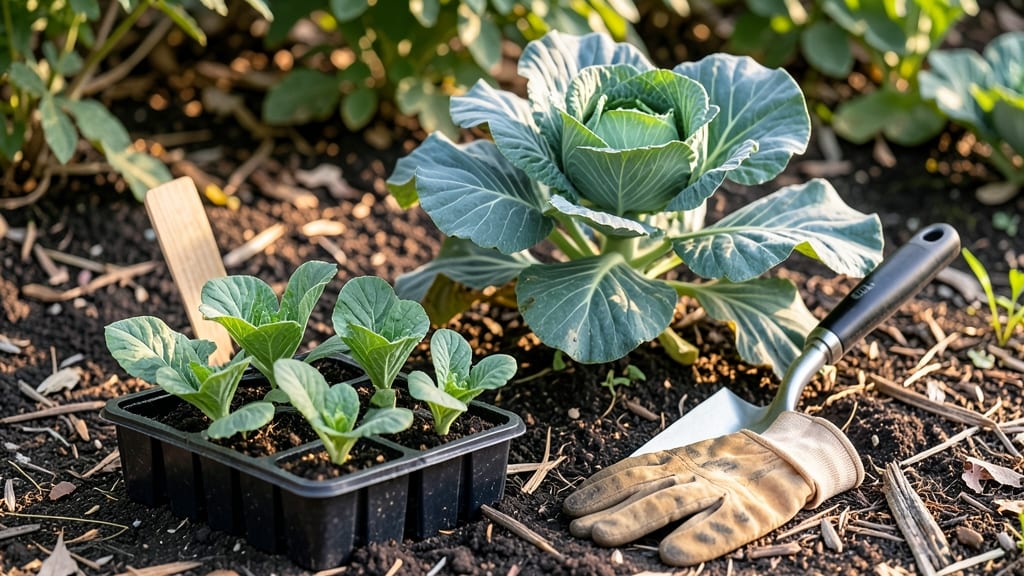
Optimal cabbage transplant timing in Zone 8a for zero bolting
In Zone 8a, where winters rarely drop below 10°F and summers stretch into 90°F+ heat, cabbage thrives in two distinct planting windows: early spring and late summer.
The key to avoiding bolting—when cabbage flowers prematurely—is planting when soil temps stay between 50°F and 75°F and days are still relatively cool.
For most Zone 8a gardeners, this means transplanting 6-8 weeks before your last frost date (typically mid-January) for spring crops, and again in late August for fall harvests.
Your first frost date (around November 15) signals the end of outdoor growing season, but with row covers, you can extend fall planting into early October.
The trick is calculating your harvest window: cabbage needs 60-90 days to maturity, so late summer transplants should be in by September 1st to finish before cold weather sets in. Coastal areas may push this slightly later due to milder microclimates.
🌱
Zone 8a Cabbage Planting Timeline
| Season | Planting Window | Ideal Soil Temp | Days to Maturity | Harvest Months |
|---|---|---|---|---|
| Spring | Feb 15 - Mar 15 | 50°F - 65°F | 60-90 days | May - July |
| Fall | Aug 15 - Sep 15 | 60°F - 75°F | 70-90 days | Oct - Dec |
| Extended Fall | Sep 1 - Oct 1 (with row covers) | 55°F - 68°F | 80-100 days | Nov - Dec |
📅 Pro Tip: Use your local USDA frost calculator to adjust these dates by ±1 week based on your specific microclimate.
For spring cabbage, start seeds indoors 4-6 weeks before transplanting (around January 15) to give seedlings a head start. Harden them off for 7-10 days before setting them out when night temps stay above 40°F.
Inland areas with hotter summers should prioritize early-maturing varieties (60-day harvest) to avoid heat stress, while coastal gardeners can opt for slightly longer-season types (80-90 days).
Your fall planting strategy depends on whether you want a main crop or succession harvests. For a single fall harvest, transplant in mid-August and choose varieties like 'Golden Acre' that tolerate mild heat.
For extended harvests, make succession transplants every 2 weeks from August through September, using row covers to protect young plants from 32°F+ night temps.
Heat is cabbage's worst enemy—temperatures above 80°F for more than 2 weeks trigger bolting. To beat the heat, select heat-tolerant varieties like 'Cavalo' or 'Red Express', and always plant in partial afternoon shade during summer months. Mulch with straw or grass clippings to keep soil temps stable and roots cool.
In my Zone 8a garden, I've found that drip irrigation set to run in early morning (before 8 AM) prevents leaf burn while maintaining consistent moisture.
Don't overlook soil preparation—cabbage craves rich, slightly acidic soil (pH 6.0-7.0) with plenty of organic matter. Work in 2-3 inches of compost before planting and side-dress with aged manure when heads begin forming.
In my experience, raised beds warm up faster in spring, giving you a 2-week earlier planting window compared to in-ground soil. Just be sure to water deeply after transplanting to reduce shock and encourage root establishment.
💧
If you're new to Zone 8a gardening, here's my fail-proof planting schedule to try this year: transplant half your cabbage in late February for a spring harvest, and the other half in mid-August for fall. Use row covers on both plantings to extend seasons by 3-4 weeks at each end.
For maximum yields, interplant fast-maturing varieties (60 days) with slow varieties (90 days)—this way, you'll have continuous harvests from May through December.
Remember: cabbage is a cool-season crop, and in Zone 8a, that means working with the mild winter rather than fighting it. With the right timing, you can enjoy crisp, sweet heads year-round while avoiding the bitterness that comes from heat stress.
Start with these optimal windows, and don't hesitate to experiment with season-extending tools like cold frames or low tunnels to push your growing season even further.
How to adjust planting dates for fall vs spring cabbage in Zone 8a
Zone 8a’s mild winters and hot summers create a unique challenge for growing cabbage—you can actually harvest twice a year if you time it right. The key difference between spring and fall planting lies in soil temperatures, frost dates, and heat tolerance.
Spring cabbage thrives in cooler months, while fall varieties need to establish roots before summer’s heat peaks.
For spring cabbage, I start transplants in late January to early February, about 6-8 weeks before your last frost date (typically January 15 in Zone 8a). This gives seedlings time to mature before temperatures rise.
Fall cabbage, however, needs a different approach—plant in late August to early September to avoid summer’s heat stress while still allowing heads to form before winter.
Here’s how I adjust my approach for each season to maximize success:
- Start seeds indoors: 4-6 weeks before last frost (mid-December to early January).
- Transplant outdoors: Late January to early February, when soil temps are 50-60°F.
- Use row covers: If nights dip below 40°F, protect seedlings with lightweight fabric.
- Harvest window: May through July, before summer heat triggers bolting.
- Transplant timing: Late August to early September, when soil temps drop below 75°F.
- Choose heat-tolerant varieties: ‘Cavalo’ or ‘Golden Acre’ handle summer better than standard types.
- Succession plant: Stagger transplants every 2-3 weeks for continuous harvests through winter.
- Harvest window: October through December, before first frost (November 15 in Zone 8a).
One trick I swear by? Soil thermometers—they’re your best friend in Zone 8a. Cabbage roots struggle in soil above 80°F, so I always check temps before transplanting. For fall plantings, I also add 2-3 inches of mulch to keep roots cool during hot afternoons.
This small step can mean the difference between a bolted mess and a crisp, perfect head.
Pro tip: If you’re in a coastal Zone 8a (like San Diego), you can push spring planting 2-3 weeks later thanks to milder winters. Inland areas? Start earlier to beat the heat. Always check your local frost dates and adjust by 1-2 weeks based on microclimates in your garden.
Remember, cabbage is a cool-season crop, so the goal is to give it 60-70 days of temperatures below 75°F to form heads. With these adjustments, you’ll avoid bolting and enjoy fresh cabbage year-round in Zone 8a! 🥬