
Plants
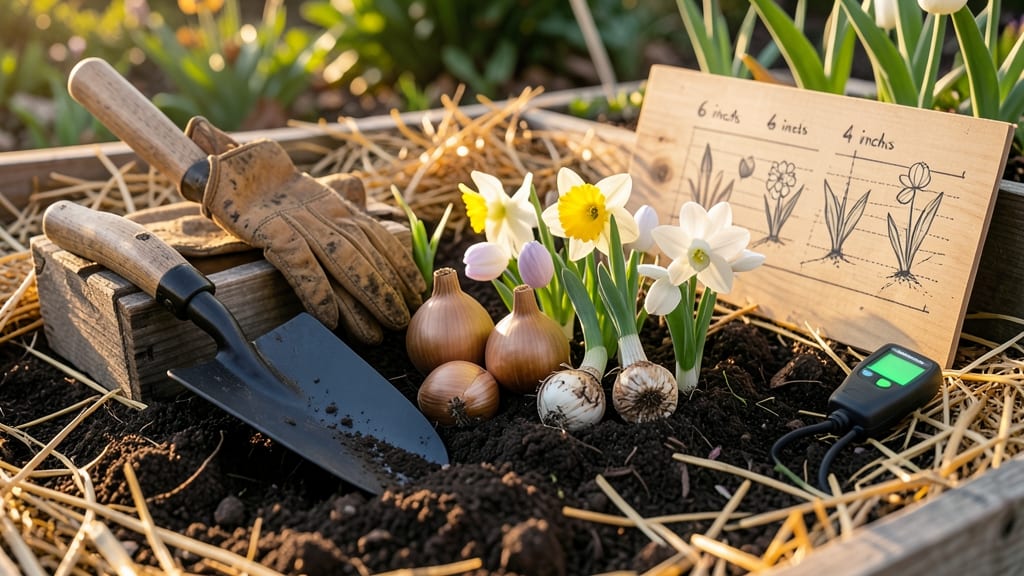
If you've ever planted fall bulbs 🌷 in Zone 4 only to wake up to a winter landscape without a single bloom, you're not alone.
The key to reliable spring color lies in understanding exactly when to plant fall bulbs in Zone 4—and it's all about timing your planting to the 4-6 weeks before first frost rule.
Most gardeners in Zone 4's chilly climate know the basics, but the real secret is adjusting for your specific microclimate. Whether you're dealing with urban heat islands or exposed garden beds, getting the timing right means the difference between a spectacular spring display and disappointed hopes.
Let me show you how to nail those frost dates and soil temperatures for foolproof results.
We'll cover the exact weeks before frost that work best for your region, plus which cold-hardy varieties like tulips and daffodils thrive in Zone 4's harsh winters. I'll also share my top tips for soil prep and post-planting care that make all the difference when winter finally arrives.
Ready to transform your garden next spring? With the right timing and a few simple adjustments, you'll be enjoying vibrant blooms that seem to appear overnight. Let's get those bulbs in the ground at exactly the right moment!
Zone 4 fall bulb planting calendar: exact weeks before frost for perfect timing
In Zone 4, where winters can be brutal, timing your fall bulb planting is everything. The 4-6 weeks before first frost window—typically mid-September to early October—gives bulbs enough time to establish roots before the ground freezes.
This rule applies to classic varieties like tulips and daffodils, but also to hardier options like alliums and fritillaries.
Your local frost date is the anchor point. Check your USDA Zone 4 subregion: Northern areas (like Duluth, MN) may need to plant by late August, while Southern areas (like Chicago, IL) can wait until mid-October.
Soil temperatures should be between 40-50°F—use a soil thermometer if unsure.
Why timing matters: Plant too early, and bulbs may sprout prematurely, only to be killed by frost. Plant too late, and roots won’t establish before winter, leading to weak or no blooms next spring. Aim for 6-8 weeks of root growth before the ground freezes.
Here’s how to calculate your ideal planting window:
| Zone 4 Subregion | First Frost Date | Planting Window | Soil Temp Goal |
|---|---|---|---|
| Northern Zone 4 (e.g., Duluth, MN) | September 20 | Late August - Early September | 45-50°F |
| Central Zone 4 (e.g., Madison, WI) | October 5 | Mid-September - Early October | 40-45°F |
| Southern Zone 4 (e.g., Chicago, IL) | October 15 | Late September - Mid-October | 40-48°F |
| Urban Heat Islands (e.g., Detroit, MI) | October 10 | Early October | 42-48°F |
Use this planting calendar as a guide, but always verify with your local cooperative extension office. For example, a late frost in April can delay planting, while an early snowfall might push it earlier. Adjust by 1-2 weeks if needed.
Pro tip: Mark your planting dates on a garden calendar and set reminders. Some gardeners even plant a test bulb a week early to gauge soil conditions. If it sprouts before winter, you’ve planted too soon.
Once you’ve nailed the timing, focus on soil prep. Loosen the soil to 12 inches deep and mix in compost for drainage. Bulbs rot in soggy soil, so avoid planting after heavy rains. Aim for well-draining conditions to prevent bulb rot over winter.
After planting, water deeply to settle the soil and encourage root growth. A 1-inch layer of mulch (like straw) helps insulate bulbs and retain moisture. Remove the mulch in early spring once shoots emerge to prevent rot from excess moisture.
Remember: The earlier you plant, the more time bulbs have to establish roots. But don’t rush—cool soil (below 60°F) is ideal for root development. If your soil stays warm into October, wait until temperatures drop closer to 50°F.
Zone 4 fall bulb planting calendar: exact weeks before frost for perfect timing
In Zone 4, where winters can be brutal, timing your fall bulb planting just right ensures vibrant spring blooms. The magic window is 4-6 weeks before your first frost date, typically mid-September to early October.
This gives bulbs time to establish roots before the ground freezes, but not so early that they sprout too soon and get damaged by late summer heat.
Use your average first frost date as your anchor. In northern Zone 4 (e.g., Duluth, MN), that’s often October 5-15. In southern Zone 4 (e.g., Chicago, IL), it’s usually October 15-30.
Count backward to pinpoint your ideal planting window—this is where soil temperature (not air temperature) matters most.
Zone 4 Fall Bulb Planting Timeline
| Region | First Frost Date | Ideal Planting Window | Soil Temp Threshold |
|---|---|---|---|
| Northern Zone 4 (e.g., Fargo, ND) | October 1-10 | September 10-20 | 40-45°F |
| Central Zone 4 (e.g., Minneapolis, MN) | October 10-20 | September 15-25 | 45-50°F |
| Southern Zone 4 (e.g., Detroit, MI) | October 20-30 | September 25-October 5 | 50-55°F |
Note: Adjust 1-2 weeks earlier for urban heat islands or later for high-elevation areas.
For reliable blooms, aim to plant when soil temperatures drop to 40-50°F at 4-inch depth. Use a soil thermometer to check—this is your best predictor of success. If you plant too early (e.g., late August), bulbs may sprout and get fried by late summer heatwaves.
If you wait too long (e.g., November), roots won’t establish before winter.
Pro tip: Tulips and hyacinths need cooler soil (40-45°F) to flower well, while daffodils and alliums tolerate slightly warmer soil (45-50°F). Match your bulbs to your microclimate for maximum survival.
For example, in Chicago’s warmer pockets, plant tulips in late September, but in Duluth’s cooler soils, wait until mid-September.
Don’t stress if your frost date is unpredictable—most Zone 4 gardeners land in the September 15-October 1 window. If you’re unsure, err on the earlier side (closer to September 15) for northern areas or the later side (closer to October 1) for southern areas.
Just remember: roots, not shoots, are your priority this season.
Once planted, mulch heavily (3-4 inches) with straw or shredded leaves to insulate bulbs from freeze-thaw cycles. This prevents bulb heaving, where bulbs push up and out of the soil in spring.
With the right timing and care, you’ll reward yourself with show-stopping blooms next spring—no guesswork required! 🌷