
Plants
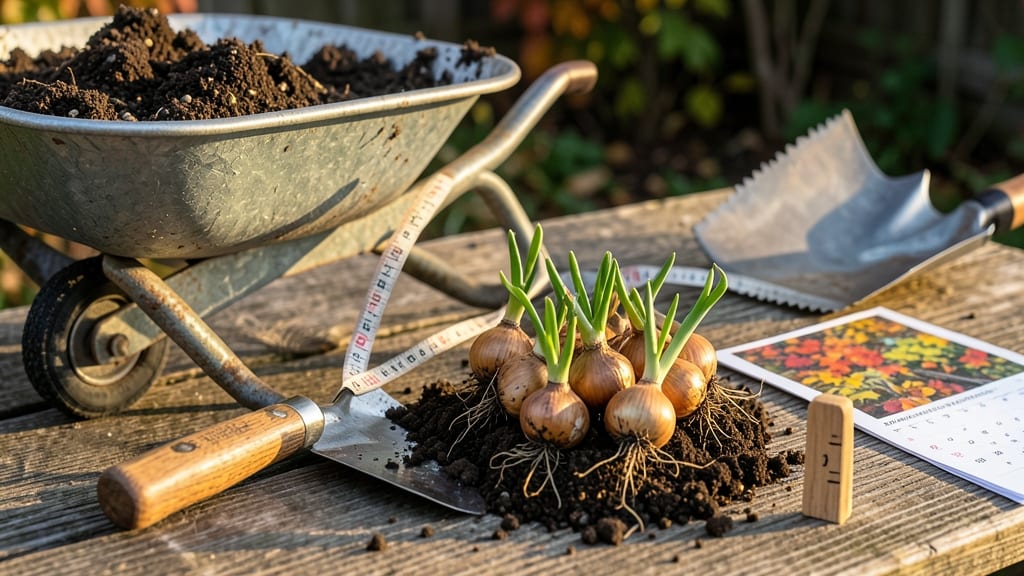
Best months to plant spring-flowering bulbs in Zone 4
In Zone 4, the key to successful bulb planting lies in understanding your last frost date—typically around May 15—and working backward. Most spring-flowering bulbs, like tulips and daffodils, need to be planted in fall to establish roots before winter.
This gives them a head start for that first burst of spring color you crave after long winters.
Fall planting is ideal because bulbs require a chilling period (typically 12-16 weeks below 40°F) to bloom properly. In Zone 4, this means aiming for September through November.
The exact timing depends on your specific location—northern areas should plant earlier, while southern parts of Zone 4 can wait slightly longer.
Here’s the golden rule: Plant bulbs 6-8 weeks before the ground freezes. For most of Zone 4, this lands in late September to early October.
If you miss this window, don’t panic—you can still plant in early spring (March-April), though blooms may be slightly delayed or less vigorous.
For gardeners in northern Zone 4 (e.g., Minnesota, northern Wisconsin), aim for late August to September planting to account for earlier frosts. In contrast, southern Zone 4 areas (e.g., northern Indiana, western New York) can safely plant through mid-October. Always check your local USDA frost dates for precision.
Spring planting is an option, but it’s best reserved for bulbs you missed in fall or for summer-blooming varieties like dahlias. Plant these in March or April, once the soil warms to 50°F and stays consistently above freezing.
Just be prepared for slightly later blooms compared to fall-planted bulbs.
Pro tip: If you’re planting in clay-heavy Zone 4 soil, amend it with compost or sand to improve drainage. Poor drainage can cause bulbs to rot over winter, even if planted at the right time. A quick soil test before planting can save you from costly mistakes.
Don’t forget to mulch after planting (2-3 inches of straw or shredded leaves) to insulate bulbs from extreme temperature swings. This is especially critical in Zone 4’s freeze-thaw cycles, which can heave bulbs out of the ground. Mulch also suppresses weeds and retains moisture.
Timing isn’t just about the calendar—it’s also about soil temperature. Use a soil thermometer to confirm the ground is below 60°F before planting in fall.
If temperatures are still warm, bulbs may sprout too early and get damaged by frost. Wait for cooler nights (consistently 50°F) for the best results.
Finally, mark your planting spots with garden flags or a map. Zone 4’s snow cover can obscure your garden layout, and you’ll want to avoid disturbing bulbs in spring. A little preparation now means fewer surprises—and more blooms—next spring.
How to prepare bulbs for Zone 4 planting: chilling, soil, and depth
Preparing bulbs for Zone 4 planting isn’t just about dropping them into the ground—it’s about giving them the perfect start to survive harsh winters and thrive in spring. Many bulbs, like tulips and daffodils, need a chilling period to bloom reliably.
If you buy bulbs in summer, store them in a cool, dark place (like a garage) until fall planting. For spring planting, bulbs can stay in their packaging until you’re ready to plant.
Zone 4’s clay-heavy soils can suffocate bulbs, so amending the soil is key. Work in compost or aged manure to improve drainage, and avoid heavy fertilizers that can burn tender roots.
A slightly acidic to neutral pH (6.0-7.0) works best for most bulbs. Test your soil before planting to adjust as needed—this small step makes a huge difference in bulb health.
- Planting too deep can rot bulbs—most need 2-3x their height in soil (e.g., a 2-inch tulip bulb should go 4-6 inches deep).
- Skipping chilling for spring-planted bulbs (like hyacinths) means they may never bloom.
- Ignoring frost heaving—when bulbs rise to the surface in freeze-thaw cycles—can expose them to frost damage.
To protect bulbs from heaving, plant them in well-drained soil and cover the bed with 3-4 inches of mulch (straw or shredded leaves work well). This insulation keeps soil temps stable and prevents bulbs from popping up.
For extra protection in northern Zone 4 areas, consider adding a thick layer of leaves after planting and before the first frost.
Depth is another critical factor. Smaller bulbs (like crocus) need only 2-3 inches of soil, while larger ones (like tulips) should sit 6-8 inches deep.
Use a bulb planter or your finger to dig holes—this ensures consistency and prevents overcrowding. Overcrowded bulbs compete for nutrients and produce smaller, weaker blooms.
Finally, water deeply after planting to settle the soil around the bulbs, but avoid soggy conditions. In Zone 4’s dry spells, a light watering every 10-14 days keeps bulbs hydrated without encouraging rot. Once planted, bulbs enter dormancy, so minimal care is needed until spring’s first signs of growth.
With these prep steps, your Zone 4 bulbs will have the best chance to survive winter and reward you with bold spring blooms. The key? Chill, amend, and mulch—then sit back and let nature do the rest! 🌱🌿