
Plants
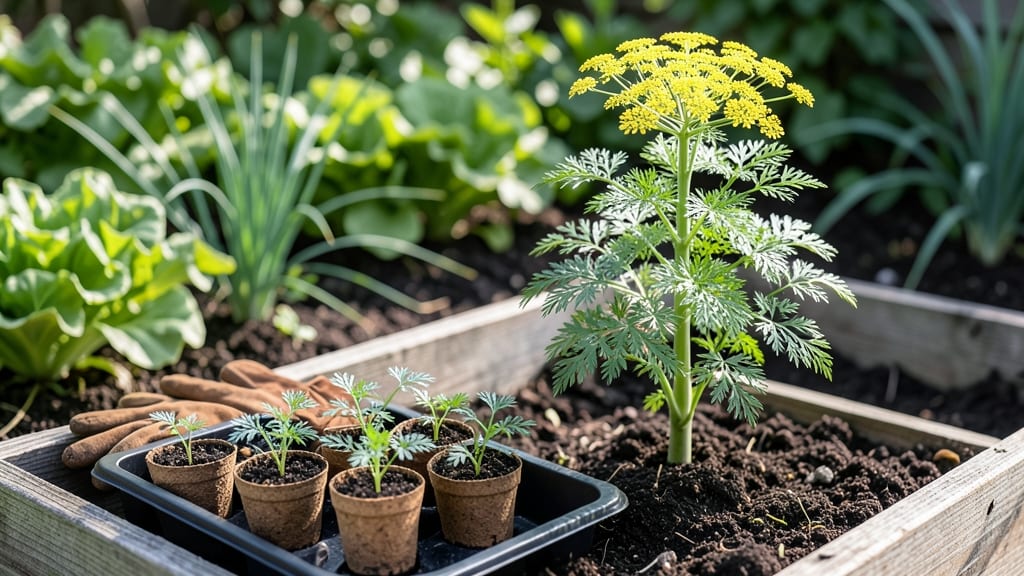
Timing your dill planting in Oregon can feel like solving a puzzle—especially when coastal fog clashes with inland heat. Get the wrong schedule, and you’ll end up with bolting plants or stunted growth.
But here’s the good news: with the right deadlines for your microclimate, you can grow lush, flavorful 🌿 dill from Portland to Medford.
The key to success lies in understanding your zone. Coastal areas like Astoria (Zone 8a) play by different rules than inland spots like Bend (Zone 7b), where summer heat arrives early. Whether you’re sowing seeds or transplanting starts, knowing when to plant ensures your dill thrives from June through October.
In this guide, I’ll break down the exact planting windows for both regions, including soil prep tips and weather workarounds. You’ll discover how to avoid common pitfalls—like late frosts or drought stress—and keep your dill productive all season.
Ready to grow the freshest dill Oregon has to offer? Let’s dive into the game-changer planting strategies that’ll make your herb garden shine.
Best dill planting dates for Oregon’s coastal region (USDA zones 7b-9a)
Coastal Oregon’s cool, damp climate creates unique challenges for growing dill. Unlike inland areas, coastal regions like Astoria, Cannon Beach, and the Willamette Valley experience later frost dates and cooler soil temperatures, which delay planting by 2-4 weeks compared to inland zones.
The key is planting dill after your last average frost date—typically mid-April to early May—when soil temperatures consistently reach 60°F.
Dill thrives in spring and early summer along the coast, where mild temperatures and consistent moisture create ideal conditions. For the best harvest, aim to plant 4-6 weeks before your first frost (usually late August to early September for coastal areas).
This ensures your dill matures before fall frosts hit in mid-October.
Here’s a coastal-specific planting timeline tailored to Oregon’s USDA Zones 7b-9a, including frost averages for key cities:
| Task | Coastal Oregon (Zones 7b-9a) | Key Cities |
|---|---|---|
| Start seeds indoors | March 15 - April 1 | Astoria, Eugene, Portland |
| Transplant seedlings outdoors | April 15 - May 10 | After last frost (avg. April 15) |
| Direct sow outdoors | April 20 - May 15 | Soil must be 60°F+ |
| Last planting window | July 15 - August 1 | For fall harvest |
| First frost risk | Mid-October | Harvest before this date |
For coastal gardeners, I recommend staggered planting every 2 weeks from April to July to ensure a continuous harvest. This works especially well in Portland’s USDA Zone 8a, where cooler nights can slow growth.
Use row covers if planting early to protect seedlings from late frosts or coastal winds.
Dill grows best in well-draining soil with a pH of 6.0-7.0. Along the coast, amend heavy clay soils with compost to improve drainage. Coastal fog can increase humidity, so avoid overwatering—water deeply but infrequently to prevent root rot.
If you’re growing dill for seeds, plant a second crop in late June to ensure seeds mature before frost. Coastal areas like Cannon Beach often have longer growing seasons than inland zones, giving you an extra 4-6 weeks for seed production.
Pro tip: Interplant dill with lettuce or radishes to maximize space. Dill’s feathery foliage provides shade for slower-growing crops while deterring pests like aphids.
Always monitor your local microclimate. For example, Eugene’s Willamette Valley (Zone 8a) may warm up faster than Astoria’s coast (Zone 8b), so adjust planting dates accordingly. Use a soil thermometer to confirm temperatures before sowing.
🌿
Inland Oregon dill planting timeline: when to start seeds vs transplants
If you're gardening in Oregon's inland valleys—think Bend, Salem, or Medford—your dill planting strategy needs to account for hotter summers and earlier frosts than the coast. Unlike coastal areas, inland dill thrives with staggered plantings to extend your harvest through September or even October.
The key difference here is heat tolerance. Inland dill can handle warmer soil temperatures (up to 85°F) better than coastal varieties, but late summer plantings risk bolting before maturity. Start seeds indoors 4-6 weeks before your last frost (typically mid-March) for transplants.
🌱 Inland Oregon Dill Planting: Pros & Cons
✅ Start Seeds Indoors
- Pro: Earlier harvest (60 days)
- Pro: Hardier seedlings for transplant
- Con: Requires indoor space
✅ Direct Sow Outdoors
- Pro: Simpler process
- Pro: Avoids transplant shock
- Con: Slower germination (10-14 days)
For direct sowing outdoors, aim for March 15 to April 30 in inland zones. Soil should reach 60°F—use a soil thermometer to confirm. In Medford (Zone 8b), you can push this to May 15 for a fall harvest, but avoid planting after June 15 to prevent bolting.
Inland dill also benefits from well-draining soil to prevent rot in Oregon's drier summers. Amend your soil with compost or aged manure before planting. Mulch with straw or wood chips to retain moisture and suppress weeds—critical in Salem's hotter microclimates.
If you're in Bend (Zone 7a), your last frost date is typically May 15, so start seeds indoors by April 1 for transplants. For Medford (Zone 8b), you have until June 1 for direct sowing, but expect bolting by mid-September if planted too late.
Extend your harvest by succession planting: Sow new seeds every 2-3 weeks until July 15. This ensures fresh dill for pickling, soups, or garnishes all season long—without the risk of overwhelming your garden at once.