
Plants
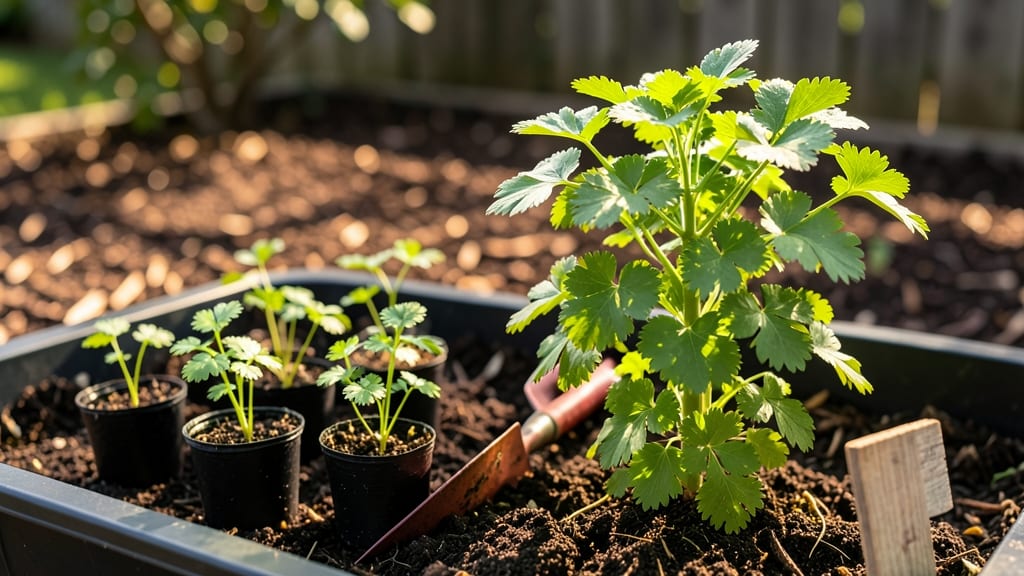
Timing cilantro planting in Oregon wrong can turn your fresh herb dreams into a bitter disappointment—literally. Whether you're in the cool coastal zones or the hotter inland valleys, getting the schedule right means the difference between lush, flavorful leaves and bolted, useless stems.
I've grown cilantro in Oregon's USDA zones 7b-9a for years, and the key is understanding your microclimate. Coastal areas like Portland can start as early as February, while inland spots like Bend need to wait until late March to avoid heat stress.
The goal? Plant when soil temps stay below 75°F—any hotter, and your cilantro will bolt faster than you can say "pesto."
What you'll discover here is the exact spring and fall planting windows that work for both regions, plus smart tricks to extend your harvest. We're talking shade cloth hacks, succession planting schedules, and the best bolt-resistant varieties that actually thrive in Oregon's climate.
No more guessing—just reliable, zero-bolt cilantro all season long.
Ready to grow cilantro that stays fresh and flavorful? Let's dive into the planting calendar that finally solves Oregon's cilantro conundrum—once and for all. Your taste buds (and salsa) will thank you.
Oregon cilantro planting calendar: coastal vs inland timing to avoid bolting
Oregon’s microclimates create a tricky balance for cilantro lovers. Coastal areas like Astoria and Portland enjoy mild winters, while inland valleys like Bend and Redmond heat up fast. The key to bolt-free cilantro is planting when soil temps stay below 75°F and nights remain cool enough to prevent flowering.
Let’s break down the exact windows for your region.
For coastal Oregon (USDA zones 8-9), cilantro thrives year-round with two ideal planting cycles: early spring (late February to March) and late summer (August to early September). Inland areas (zones 7-8) should focus on spring (March-April) and fall (September-October) to avoid summer’s scorching heat.
The difference? Coastal cilantro can handle 50°F nights, while inland plants need 60°F or above to germinate reliably.
Here’s the visual breakdown of your planting timeline, including frost dates and bolting risk by month:
5 Proven strategies to extend cilantro’s growing season in Oregon
Oregon’s hot inland summers and cool coastal winters can make cilantro a short-lived herb if you don’t extend its season. The key is cheating bolting with smart techniques tailored to your microclimate.
Whether you’re in Portland’s Zone 8 or Medford’s Zone 9a, these strategies will keep your cilantro thriving longer.
First, succession planting is your best friend. Instead of one big batch, sow seeds every 2-3 weeks from March to September. This ensures a continuous harvest while avoiding the heat stress that triggers bolting. For inland areas, start with shade cloth to protect seedlings from intense afternoon sun.
Shade cloth (30-50% shade) is a game-changer, especially in July and August. Hang it over your cilantro beds to lower soil and air temperatures by 10-15°F. Pair it with daily watering to prevent stress. Coastal gardeners can skip this in summer but use it in winter if frost threatens.
- 📅 Succession Planting: Sow every 2-3 weeks (Mar-Sep) for continuous harvest.
- ☀️ Shade Cloth: Use 30-50% shade in summer (inland) or winter (coastal).
- 🌱 Companion Planting: Pair with bush beans or lettuce to slow bolting.
- 🪴 Raised Beds: Inland areas—warmer soil speeds bolting; raised beds cool roots.
- ⏰ Container Gardening: Move pots to shade during peak heat (12 PM–4 PM).
Companion planting is another trick from Oregon gardeners. Cilantro grows well alongside bush beans, lettuce, or carrots, which compete with weeds and stabilize soil moisture. Avoid planting near dill or fennel, which can cross-pollinate and ruin your harvest. For inland gardens, try raised beds—they stay cooler than ground soil and give you more control over moisture.
If you’re growing cilantro in containers, mobility is your secret weapon. Place pots in morning sun and move them to shade by noon during summer. Coastal gardeners can leave them out year-round, but inland growers should bring containers indoors or under cover when night temps drop below 40°F.
Use well-draining potting mix and self-watering pots to avoid stress.
Finally, harvest regularly—this encourages bushier growth and delays bolting. Pinch off flower stalks as soon as they appear, and harvest outer leaves first to keep the plant productive. With these strategies, you can enjoy fresh cilantro from April to November, even in Oregon’s tricky climate! 🌱