
Plants
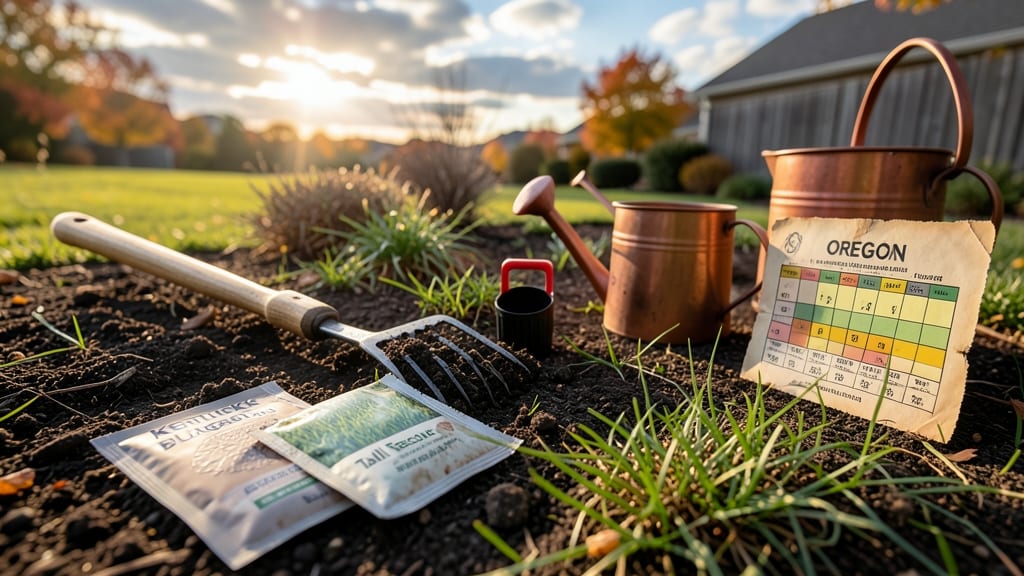
If you’ve ever stared at a patchy lawn and wondered when is the best time to plant grass seed in Oregon, you’re not alone. Oregon’s climate—cool coastal breezes, inland heat waves, and unpredictable spring rains—makes timing everything.
Plant too early, and your seeds might rot; too late, and summer’s scorching sun can fry them before they sprout. But get it right, and you’ll be rewarded with a vibrant, resilient lawn that’s the envy of the neighborhood.
Here’s the secret: late summer to early fall (August–October) is your golden window for most of Oregon, especially in zones 7b-9a. Why? Cooler air and consistent moisture give seeds the perfect chance to take root before winter slows things down.
But if you’re in coastal areas like Portland or the Willamette Valley, you might also nail it in early spring (March–April), when the soil warms just enough to kickstart growth without the summer heat.
What you’ll discover in this guide is how to match your planting schedule to Oregon’s microclimates—whether you’re in the lush rain shadow of the Coast Range or the high desert near Bend.
We’ll break down soil prep, seed selection, and post-planting care so you avoid common pitfalls and set your lawn up for success. Ready to transform that bare patch into a lush, green carpet? Let’s dive in.
The key to a thriving lawn isn’t just picking the right seed—it’s planting it at the right time. With Oregon’s diverse conditions, a one-size-fits-all approach won’t cut it. But with the right strategy, you’ll skip the guesswork and enjoy a lawn that stays green year-round. Let’s get started.
Oregon grass seed planting calendar: coastal vs inland timing differences
Oregon’s three distinct climate zones—coastal, Willamette Valley, and high desert—each demand different grass seed planting strategies. The coastal region (e.g., Astoria, Cannon Beach) enjoys mild winters and cool summers, while the high desert (e.g., Bend, Burns) faces extreme temperature swings and limited rainfall.
Even the Willamette Valley (Portland, Eugene) has microclimates that shift planting windows by weeks.
For a successful lawn, aim to plant when soil temperatures hover between 60–75°F and avoid Oregon’s summer droughts or winter frosts. Coastal areas can plant slightly earlier, while high desert zones must wait longer for stable conditions.
Let’s break down the ideal planting months for each region to maximize your grass seed’s germination potential.
🌱 Oregon Grass Seed Planting Calendar
| Region | Best Planting Window | Soil Temp (°F) | Key Considerations |
|---|---|---|---|
| Coastal (Astoria, Cannon Beach) | Late August–October | 60–70°F | Cool, moist soil; avoid late fall frosts. |
| Willamette Valley (Portland, Eugene) | September–October or March–April | 65–75°F | Moderate climate; spring planting risks spring rains. |
| High Desert (Bend, Burns) | April–May or September | 60–70°F | Wait for stable temps; drought-tolerant seeds recommended. |
🌧️ Pro Tip: Use a soil thermometer to confirm temps before planting—cooler coastal soil may need earlier seeding.
If you’re in Portland or Eugene, your Willamette Valley climate offers two prime windows: late summer/early fall (September–October) and early spring (March–April). Fall planting is ideal because cooler temps reduce weed competition and water stress, while spring planting risks unpredictable spring rains that can wash away seed.
For coastal Oregon, focus on late summer to early fall (August–October). The ocean’s moderating influence keeps soil temperatures stable, but avoid planting too late—November frosts can damage young seedlings. Choose cool-season grasses like Kentucky Bluegrass or Fine Fescue for best results.
In high desert areas like Bend or La Pine, your best bet is early spring (April–May) or late summer (September). Soil warms quickly in spring, but summer droughts can stress new seedlings.
Opt for drought-resistant varieties like Tall Fescue or Buffalo Grass to survive the region’s low humidity and high UV exposure.
Regardless of your location, avoid planting in summer (June–August). Oregon’s intense heat and drought conditions cause seed to dry out before germination. Even in coastal areas, summer’s foggy mornings can create fungal risks for young grass. Plan ahead and mark your calendar for the optimal 60–75°F soil window.
One critical factor across all regions is last frost dates. In Portland, the average last frost is April 15, while Medford sees its last frost by March 15.
High desert areas like Bend can have late frosts into May, so adjust your planting timeline accordingly. Use local USDA Plant Hardiness Zone maps (Zones 7b–9a) to fine-tune your schedule.
For overseeding existing lawns, follow the same timing rules. Fall overseeding (September–October) is best for coastal and Willamette Valley regions, while high desert lawns benefit from spring overseeding (April–May). This practice fills thin spots and revitalizes tired grass without the full effort of a new lawn.
Finally, monitor weather forecasts in the weeks leading up to planting. Oregon’s unpredictable spring rains can delay soil warming, while early fall storms may disrupt seed-to-soil contact. Aim for a 5–7 day forecast with stable, dry conditions to ensure your grass seed gets the consistent moisture it needs to sprout.
How to prepare soil and choose grass seed for Oregon’s unique conditions
Preparing your soil for grass seed in Oregon isn’t a one-size-fits-all task. The coastal regions like Astoria thrive with moist, slightly acidic soil, while high desert areas like Bend demand well-draining, alkaline soil. Start by testing your soil pH—most cool-season grasses prefer a range of 6.0 to 7.0.
If your soil is too alkaline (common in inland areas), amend it with sulfur or peat moss.
Before planting, remove any existing vegetation and till the top 4–6 inches of soil to loosen it. Add a 2–3 inch layer of compost to improve fertility and water retention, especially in sandy soils typical of the Willamette Valley.
For clay-heavy soils in eastern Oregon, mix in sand or perlite to enhance drainage.