
Companion Plants
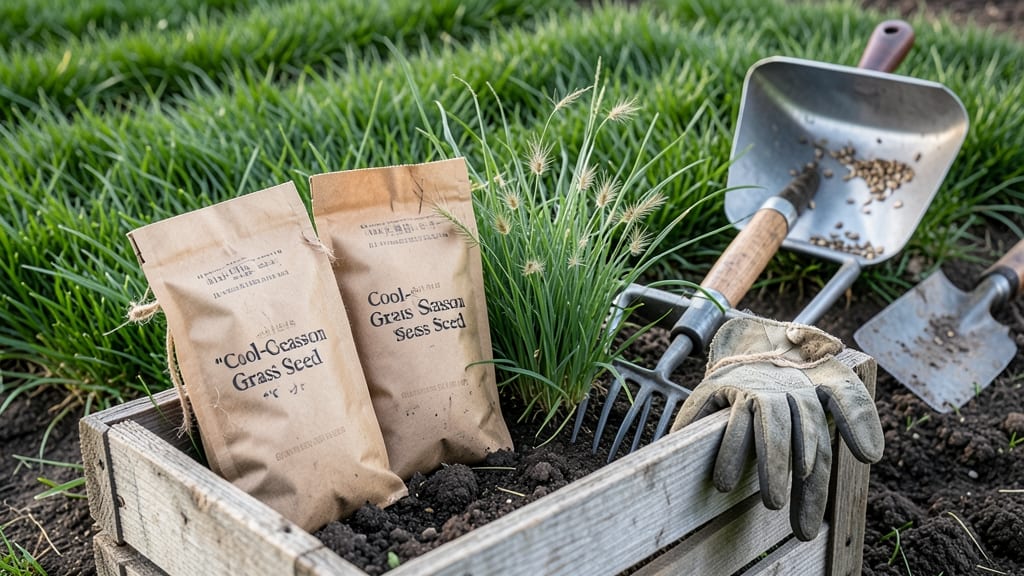
Planting your 🌱 Grass (Lawn) at the wrong time in spring can turn your green dreams into a patchy disappointment—so getting the timing right is the key to a lush, thriving yard.
The secret lies in two critical factors: soil temperature and your local frost-free date, both of which vary dramatically depending on where you live in the U.S.
If you're in USDA Zone 6a (like much of the Midwest and Northeast), you'll want to plant your grass seed 4-6 weeks before your last frost date, typically between early March and mid-April.
But here's the catch: even if the calendar says spring, your soil might still be too cold for successful germination.
Most grass varieties need soil temperatures between 55-65°F to sprout properly—any cooler, and you're risking wasted seeds or slow, uneven growth. I'll show you exactly how to check your soil temperature and adjust your planting schedule to match your region's unique conditions.
Beyond timing, I'll walk you through the 5 most common mistakes that derail spring grass planting—and how to avoid them—so you can go from bare soil to a vibrant lawn in just a few short weeks. Let's get started with the perfect planting window for your zone.
Spring grass planting timeline by US hardiness Zone (soil temp guide)
Getting your grass planting timing right in spring means the difference between a lush, green lawn and wasted seeds. The key factors are soil temperature, frost-free dates, and your USDA hardiness zone.
Cool-season grasses like Kentucky bluegrass and fescue thrive when soil hits 50-65°F, while warm-season grasses like Bermuda and Zoysia need 65-75°F—but planting too early risks frost damage.
Most gardeners in the Northern US (zones 3-6) should aim for late March to mid-April, while Southern zones (7-9) can plant as early as February or as late as May.
The rule of thumb? Plant 4-6 weeks before your last frost date and when soil temps stay above 50°F for at least a week.
If you're unsure about your zone, check the USDA Plant Hardiness Zone Map—it’s free and easy to use. For example, Zone 5 (like Chicago) typically has a last frost around April 15, so planting in early April is ideal.
Meanwhile, Zone 8 (like Atlanta) can plant as early as February since frost is rare.
Here’s the critical detail: Soil temperature matters more than air temperature. A sunny 70°F day can hide 45°F soil, which will stunt seed germination. Use a soil thermometer (just $10 at garden centers) to check 2 inches deep—that’s where grass seeds will germinate.
Pro tip: If you’re in a transition zone (like Zone 7), you can plant cool-season grasses in early spring and warm-season grasses in late spring/early summer. Just adjust your watering—warm-season grasses need more water once established to handle heat stress.
One more thing: Weather forecasts aren’t foolproof. A late frost can wipe out newly planted grass in 24 hours. To hedge your bets, use frost cloth (a lightweight row cover) if planting early in Zones 3-6. It’s a $20 investment that saves hours of replanting.
For Northern gardeners (Zones 3-5), aim to have grass 3-4 inches tall before summer heat. This means planting 6-8 weeks before your last frost—so if your frost date is May 1, plant by March 15.
Patience here pays off with thicker roots before summer droughts hit.
Southern gardeners (Zones 7-10) have more flexibility but still need to watch for heat spikes. Plant warm-season grasses in May to avoid fungal diseases that thrive in hot, wet soil.
A soil thermometer is your best friend here—wait until temps stay above 70°F for 5 days.
Finally, don’t forget: Preparing your soil in fall (if possible) gives you a head start. Aerate, add compost, and level the ground in September-October so spring planting is just about spreading seed and watering. Your lawn will thank you with faster germination and fewer weeds.
How to check soil temperature before planting grass seed
Planting grass seed at the wrong time can lead to slow germination or even death—so checking your soil temperature is the first step to success. Grass seeds need specific warmth to sprout, and cool spring soil can delay or prevent growth entirely.
For cool-season grasses (like Kentucky bluegrass or fescue), aim for 50-65°F soil temps, while warm-season grasses (like Bermuda or Zoysia) prefer 65-75°F. Without testing, you might plant too early and risk frost damage or too late and miss the ideal window.
Before grabbing your seed, spend 5 minutes checking soil temperature—it’s the difference between a lush lawn and wasted effort. The best time to test is in the late afternoon when soil has warmed naturally.
If you’re unsure whether your soil is ready, a simple soil thermometer (available for under $10) will give you precise readings. For DIY gardeners, a meat thermometer works in a pinch, but invest in a dedicated tool for accuracy.
🌱 Step-by-Step Soil Temp Check
- Choose a sunny spot—avoid shaded areas where soil stays cooler.
- Insert thermometer 2-4 inches deep—this mimics where grass roots will grow.
- Wait 30 seconds for an accurate reading (digital thermometers beep when ready).
- Compare to zone guidelines—see the table below for your region.
- Test for 3 days—soil temps fluctuate; aim for consistency.
If your soil is too cold, wait it out—grass seeds won’t sprout until conditions are right. A helpful trick is to monitor your local weather forecast for overnight lows. If temperatures drop below 40°F, delay planting until the threat of frost passes.
For northern zones (like USDA Zones 3-5), this might mean waiting until late April or early May, while southern zones (like Zones 7-9) can plant as early as February or March.
For cool-season grasses, plant when soil hits 50°F and stays there for at least 7-10 days. Warm-season grasses, however, need 65°F+ soil—waiting until late spring (after the last frost) ensures they thrive.
Pro tip: If your soil is too cold, cover it with black plastic sheeting for a few days to absorb sunlight and warm up faster. Just remove it before planting to avoid overheating the seed.
Don’t forget to check soil moisture too—dry soil can give a false reading. Gently water the area before testing if the ground feels parched. Aim for moist but not soggy soil; grass seeds need consistent moisture to germinate, so plan to water lightly daily until sprouts appear.
Overwatering can wash seeds away, while underwatering leaves them dry and brittle.
Once your soil hits the ideal temperature, act fast! Grass seeds have a limited window to germinate before summer heat sets in. For cool-season grasses, plant within 2-3 weeks of reaching 50°F, and for warm-season grasses, don’t wait past mid-June in most regions.
Timing is everything—get it right, and you’ll see those first green shoots in 7-21 days.