
Plants
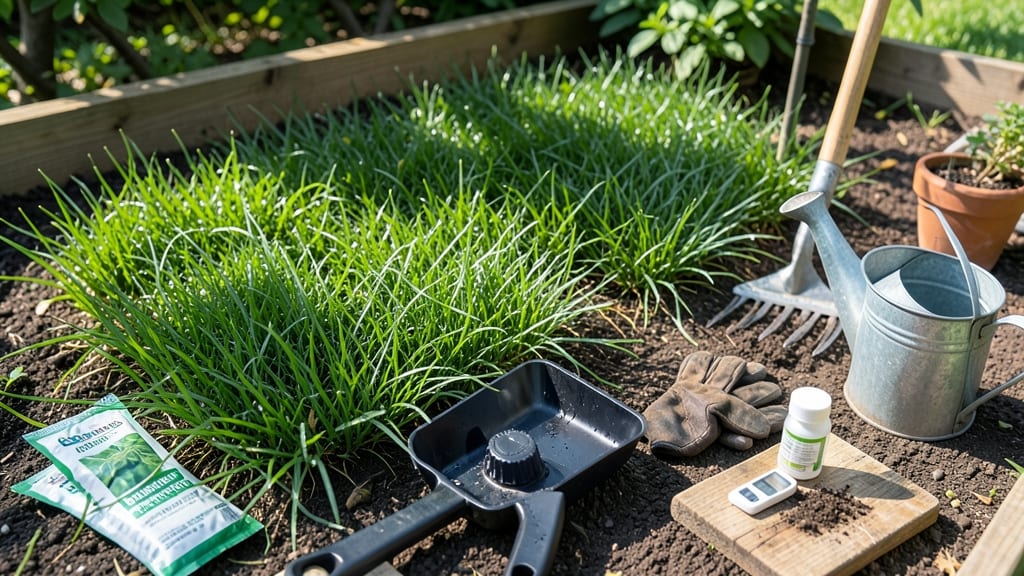
Timing your grass seed planting in California could mean the difference between a vibrant lawn and months of frustration—especially when coastal and inland regions have completely different rules. You’ve probably heard "spring" is ideal, but without knowing your exact microclimate, that advice might backfire.
The right window isn’t just about the calendar; it’s about soil temperatures, rainfall patterns, and even whether you’re near the ocean or miles inland.
If you’re in Zone 8-11, you’re not alone in the confusion. Planting too early in coastal areas can lead to weak growth, while inland regions might need to wait until soil warms enough.
I’ll break down the fastest ways to establish your lawn by matching your location to the perfect planting window—whether that’s late summer or early spring.
Let’s cut through the guesswork. You’ll discover how to check your soil’s readiness, adjust for drought-prone areas, and even outsmart California’s unpredictable weather. By the end, you’ll know exactly when to plant for the best results—no more wasted seed or patchy lawns.
Ready to transform your yard? The secret starts with understanding your region’s unique growing conditions. Let’s get your grass seed off to the right start.
California’s ideal grass seed planting windows: coastal vs inland months explained
California’s diverse climate—from foggy coastal regions to scorching inland valleys—means one planting window doesn’t fit all. Coastal areas like San Francisco thrive with fall planting (August–October), while inland zones such as Sacramento prefer early spring (February–April).
The key difference? Soil temperature thresholds for germination: coastal soils stay cooler longer, while inland soils heat up faster.
In coastal California (USDA Zones 9–11), mild winters and consistent rainfall create ideal conditions for fall seeding. The ocean breeze keeps soil temperatures between 60–75°F—perfect for cool-season grasses like Tall Fescue or Perennial Ryegrass.
Meanwhile, inland areas (Zones 7–9) face hot summers and cold winters, making early spring the safer bet to avoid drought stress or frost damage.
Here’s the breakdown you need to avoid common mistakes like planting too late in fall (risking winter dormancy) or too early in spring (triggering weed competition). The table below compares the two regions side by side.
| Region | Best Planting Window | Soil Temp for Germination | Key Climate Factor | Grass Types to Use |
|---|---|---|---|---|
| Coastal (e.g., San Francisco, Santa Barbara) | Late summer–early fall (Aug–Oct) | 60–75°F (15–24°C) | Mild winters, high humidity | Tall Fescue, Perennial Ryegrass, Creeping Red Fescue |
| Inland (e.g., Sacramento, Fresno) | Early spring (Feb–Apr) | 55–70°F (13–21°C) | Hot summers, cold winters, low rainfall | Bermuda Grass, Buffalo Grass, Tall Fescue (drought-tolerant) |
| Desert (e.g., Palm Springs, Death Valley) | Very early spring (Jan–Feb) or late fall (Nov) | 50–65°F (10–18°C) | Extreme heat/drought, minimal rainfall | Drought-resistant grasses (e.g., Buffalo Grass, Zoysia) |
⚠️ Pro Tip: Check your local USDA Zone and microclimate—a valley can be 10°F warmer than nearby hills!
For coastal gardeners, the 6-week window from August to September is critical. This aligns with natural rainfall patterns and avoids the summer drought that hits inland areas earlier.
Planting in late October risks winter dormancy before roots establish, while July seeding often fails due to heat stress and weed competition.
Inland regions must act faster. Soil warms quickly in March and April, giving you just 4–6 weeks before summer drought sets in. Bermuda Grass, a warm-season favorite, needs soil temps above 70°F to germinate—something that happens by mid-April in Zone 9.
Miss this window, and you’ll battle dormant grass until fall rains return.
Don’t let calendar months fool you—always check soil temperature with a soil thermometer (aim for 60–75°F for cool-season grasses). Inland areas can plant 2–4 weeks earlier than coastal zones because their soils heat up faster.
For example, Sacramento’s soil hits 65°F by late February, while San Diego’s lags until early March.
Another critical factor: rainfall timing. Coastal regions get consistent moisture from October to April, reducing your watering workload.
Inland areas rely on supplemental irrigation, so spring planting lets you water deeply without wasting resources during summer droughts. Pro Tip: Use a rain gauge to track local precipitation—some years, November rains arrive early, extending your coastal planting window.
If you’re in a transition zone (e.g., Santa Cruz Mountains or San Bernardino foothills), split the difference: plant half in September and half in March. This two-phase approach ensures year-round green coverage, as cool-season grasses handle winter while warm-season types take over in summer.
Finally, avoid planting during extreme weather. Coastal fog in June–July can delay germination, while inland Santa Ana winds (Oct–Nov) dry out soil. Always check the 10-day forecast for stable temps and minimal wind before seeding.
With these regional insights, you’ll time your planting perfectly—no more patchy lawns or wasted seed!
Key factors that determine your perfect planting timeline (beyond just months)
California’s climate is famously diverse, but even within regions, microclimates and grass seed types can shift your ideal planting window by weeks. Forget relying solely on calendar months—your success depends on these hidden factors that override seasonal rules. First, cool-season vs warm-season grasses dictate timing. Cool-season varieties like Tall Fescue or Kentucky Bluegrass thrive when soil temps hover between 50-65°F, making late summer to early fall (August–October) perfect for coastal areas. Warm-season grasses like Bermuda or Zoysia, however, need soil temps above 65°F, pushing their prime window to late spring (April–June) in inland zones.Rainfall patterns are another game-changer. Coastal regions like San Francisco or Santa Barbara get steady winter rains, so planting in September–October ensures moisture for germination.
Inland areas like the Central Valley or Desert Southwest rely on irrigation timing—planting too early risks drought stress, while late spring (March–April) aligns with natural rain tapers. Always check your local weather forecasts for 7-day precipitation predictions before seeding.
Frost risk is a silent killer for grass seed. Coastal zones rarely see frost, but inland areas (like Sacramento or Fresno) can drop below freezing in winter. Aim to plant at least 6 weeks before the first frost date (typically mid-December in Zone 8).
Use the USDA Plant Hardiness Zone Map to verify your local frost window—planting too late can leave seedlings vulnerable.
Your soil temperature is the ultimate decider. Cool-season grasses need soil temps between 50-65°F for germination, while warm-season types require 65-75°F. Use a soil thermometer (available for $10 at garden centers) to test depth (2 inches down).
If temps are too high or low, wait—even a 5°F swing can delay sprouting by weeks.
Microclimates within your yard can also shift timing. South-facing slopes warm faster, while shady spots stay cooler. Test multiple areas with a thermometer to identify the fastest-warming zones for early planting.
For example, a sunny patio may be ready in March, while a shady garden might need to wait until April.
Finally, grass seed maturity rates matter. Faster-germinating varieties (like Annual Ryegrass) can handle late spring plantings, while slower types (like Fine Fescue) need the longer, cooler windows of fall.
Always check the seed packet for days-to-germination estimates—this tells you how much buffer time you have before summer heat or winter frost arrives.
By factoring in these hidden variables, you’ll outsmart California’s climate and plant your grass seed during its true optimal window—not just the "best month" on a generic calendar. Timing isn’t one-size-fits-all, but with these adjustments, your lawn will establish faster, stronger, and greener than ever.