
Plants
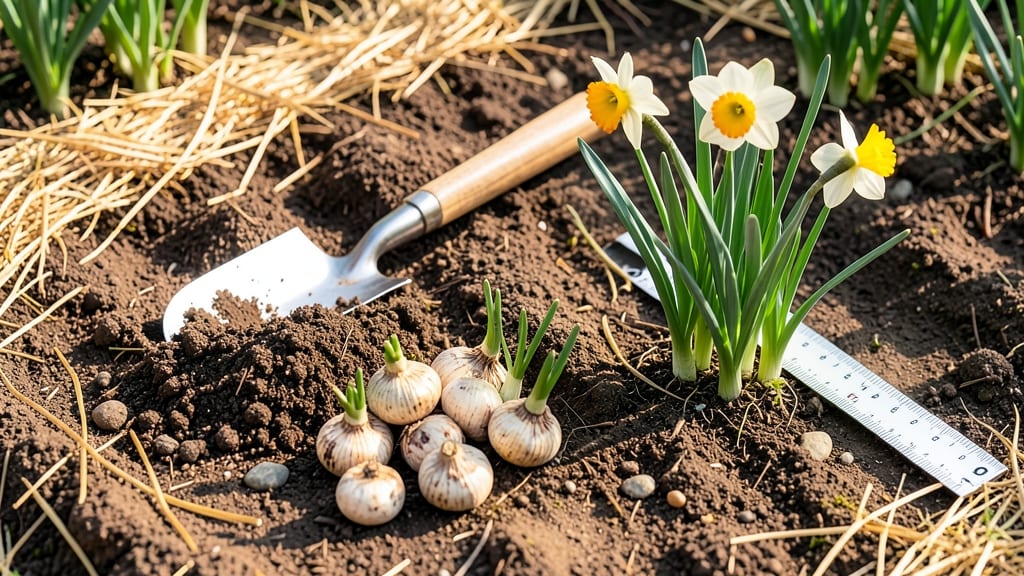
If you're dreaming of a spring garden bursting with bright 🌼 daffodils, timing your fall planting in Tennessee is the secret weapon you need. The right window—typically between October and November—can mean the difference between a thriving display and missed blooms next year.
Tennessee's USDA Zones 6a-7b create unique challenges, from Nashville's urban heat pockets to the cooler Smoky Mountain valleys. Planting too early risks rot, while waiting too late leaves bulbs vulnerable to winter's chill. Let me show you exactly when to dig in your zone for those reliable, cheerful blooms.
We'll cover the ideal planting months for each region, plus pro tips for soil prep and post-planting care that Tennessee gardeners swear by. Whether you're a first-time planter or a seasoned green thumb, these insights will help you avoid common mistakes and set your daffodils up for success.
Ready to transform your yard into a springtime spectacle? Let's get those bulbs in the ground at the perfect moment for your Tennessee climate—because patience now means bold rewards when those golden trumpets appear next March.
Tennessee planting zones for daffodils: when to plant by region
Tennessee’s diverse climate—from the Smoky Mountains to Nashville’s urban heat islands—means daffodil planting times vary dramatically. Most of the state falls within USDA Zones 6a-7b, but even small elevation changes can shift your ideal planting window by weeks.
To maximize bloom success, align your planting with your specific zone’s first frost date and soil temperature trends.
Daffodils thrive when planted 6-8 weeks before ground freeze, giving their roots time to establish before winter dormancy. In Tennessee, this typically means mid-October to early November for most regions, but cooler mountain areas may need earlier planting.
Let’s break down the best times for each zone to ensure your bulbs get a head start on spring.
Here’s a quick reference for Tennessee’s USDA Zones 5b-7b, including adjustments for microclimates like elevated gardens or urban heat pockets. Use this as your guide to avoid planting too early (risking rot) or too late (weak root growth).
| Zone | First Frost Date | Ideal Planting Window | Notes for Tennessee |
|---|---|---|---|
| 5b (High elevations, e.g., Smokies) | Mid-September | Late September - Early October | Cooler soils; plant earlier to avoid frost. |
| 6a (East TN, e.g., Knoxville) | Late October | Mid-October - Early November | Standard timing; avoid planting after mid-November. |
| 6b (Middle TN, e.g., Nashville) | Early November | Late October - Mid-November | Urban areas may need slightly later planting due to heat. |
| 7a (West TN, e.g., Memphis) | Mid-November | Early November - Late November | Warmer soils; can plant slightly later but avoid December. |
| 7b (Extreme SW TN) | Late November | Late November - Early December | Mild winters; can plant into December but prioritize early. |
If you’re unsure about your exact zone, check the USDA Plant Hardiness Zone Map or use local cooperative extension service resources. For example, Nashville’s urban heat can delay first frost by 1-2 weeks compared to surrounding rural areas, so adjust your timing accordingly.
Always aim to plant when soil temperatures drop below 60°F (15°C) but before hard frost.
Spring planting is not recommended for daffodils—they need time to establish roots before summer heat. However, if you miss the fall window, you can try planting in early spring (February-March), though blooms may be smaller or delayed.
The trade-off? Bulbs planted in spring won’t have time to fully root before summer, making them more susceptible to drought and heat stress.
For container gardening, follow the same zone guidelines but plant bulbs in pots by mid-October to ensure they don’t outgrow their containers before winter. Use well-draining soil and move pots to a protected location (like a garage) if temperatures drop below 20°F (-7°C).
Containers warm up faster in spring, so you might see earlier blooms—but they’ll also dry out quicker, so monitor moisture closely.
Pro tip: Mark your planting calendar with your local frost dates and set reminders for soil prep (like adding compost) 2-3 weeks before your ideal planting window.
Tennessee’s unpredictable weather means being prepared is half the battle—especially when unseasonable warmth can trick you into planting too late or early cold snaps rush the process.
Once planted, mulch with 2-3 inches of straw or shredded leaves to insulate bulbs from temperature swings. This is especially critical in Zone 6a and below, where winter temperatures can fluctuate wildly.
Remove mulch in early spring to allow sunlight to reach the emerging foliage—daffodils need 6+ hours of sun daily to produce strong blooms.
Remember, daffodils are perennials, meaning they’ll return year after year if cared for properly. By planting at the right time for your zone, you’re setting the stage for decades of spring color with minimal effort.
Now that you’ve got your timing locked in, let’s dive into the step-by-step planting process tailored for Tennessee’s unique conditions.
Step-by-step daffodil planting guide for Tennessee’s climate
Now that you know the best planting months for your Tennessee zone, let’s dive into the hands-on steps to ensure your daffodil bulbs thrive. Proper planting technique is key—especially in Tennessee’s variable climate where soil conditions can shift from heavy clay in Memphis to rocky terrain in the Smokies.
Start by selecting a sunny location with at least 6 hours of sunlight. Daffodils love well-draining soil, so if your yard has clay-heavy soil, amend it with compost or sand. In Tennessee’s humid climate, good drainage prevents bulb rot during winter rains.
Here’s how to plant your daffodils for maximum success in Tennessee’s fall planting window:
Pick healthy, firm daffodil bulbs (size 10-12 for best blooms). Look for tightly packed layers and no signs of mold or soft spots.
Loosen the soil to 6 inches deep and mix in 2-3 inches of compost. For heavy clay, add perlite or coarse sand to improve drainage.
Dig holes 6 inches deep and space bulbs 6 inches apart. Place bulbs with the pointy end up—this ensures proper growth direction.
After planting, water deeply to settle the soil. In Tennessee’s dry fall months, keep soil moist but not soggy until the first frost.
Apply 2-3 inches of mulch (straw or shredded leaves) to insulate bulbs from freezing temps and retain moisture. Remove mulch in early spring.
When shoots emerge in March-April, apply a balanced fertilizer (5-10-10) to encourage strong blooms. Avoid fertilizing in fall.
One common mistake Tennessee gardeners make is planting daffodils too late in fall. If you miss the ideal window, wait until early spring (just before shoots emerge) to plant, but expect smaller blooms the first year. Also, avoid planting in low-lying areas where water pools—daffodils hate soggy roots.
With these steps, your daffodils will establish strong roots before winter, rewarding you with bold spring blooms that brighten Tennessee gardens from March through May. Happy planting!