
Plants
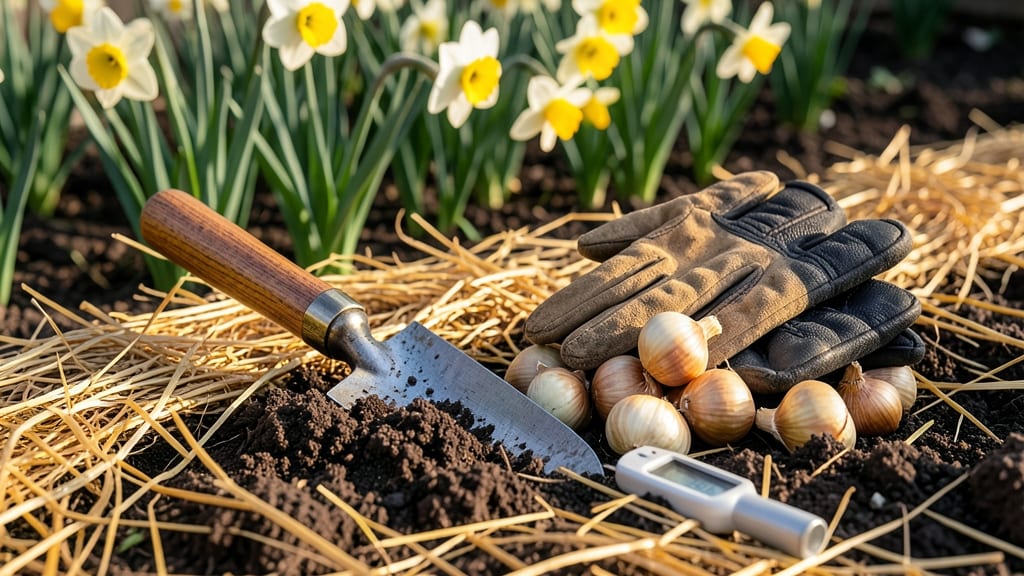
If you want vibrant spring blooms in Maryland, knowing when to plant daffodil bulbs in Maryland is the secret weapon. Planting too early or late can leave you with weak growth—or worse, no flowers at all.
Maryland’s USDA zones 7a-7b create a narrow window where soil temps and frost work in your favor, and missing it means months of waiting for payoff.
Most gardeners in Maryland know fall is the time to plant daffodils, but the exact window matters more than you think. Between October and November, bulbs need 6 weeks before the ground freezes to establish roots.
Too soon, and they’ll rot; too late, and they’ll struggle to bloom. Let’s break down the perfect timing for your zone—and how to adjust if Mother Nature throws a curveball.
What if you’re in northern Maryland versus the southern part of the state? Or if your yard stays warmer than the official frost dates? I’ll show you how to read your soil, use frost maps, and even extend your planting window without risking your bulbs.
By the end, you’ll know exactly when to dig—and how to give your daffodils the best shot at bold, early spring color.
Ready to skip the guesswork? Let’s dive into the frost-free window that’ll turn your Maryland garden into a daffodil paradise—without the trial and error.
Maryland’s frost-free planting window for daffodils by hardiness zone
Maryland’s diverse USDA hardiness zones (5b through 7a) create a 6-week window for planting daffodil bulbs—usually between mid-October and mid-November. This timing ensures bulbs establish roots before winter while avoiding frost damage.
Northern counties like Baltimore and Frederick (zone 6b-7a) plant slightly earlier, while southern areas like Annapolis and Calvert County (zone 7a-7b) can extend planting into early December.
Daffodils thrive when planted in cool soil (40–50°F), which triggers dormancy and root growth. Maryland’s first hard frost typically arrives between November 15 and December 15, so aim to plant 6 weeks before your area’s average frost date.
For example, in zone 6b, that’s mid-October, while zone 7b gardeners can wait until early November.
Here’s how Maryland’s zones break down for optimal daffodil planting:
| USDA Zone | Counties | Ideal Planting Window | Soil Temp Goal | Key Tip |
|---|---|---|---|---|
| 5b | Western MD (Cumberland) | Mid-September to October 15 | 40–45°F | Plant early to avoid early frosts. |
| 6a | Central MD (Frederick, Howard) | Late September to October 31 | 40–50°F | Use mulch for frost protection. |
| 6b | Baltimore, Montgomery | October 1–November 15 | 45–50°F | Avoid planting after November 15. |
| 7a | Annapolis, Calvert | October 15–December 1 | 45–50°F | Late plantings need winter mulch. |
| 7b | Southern MD (St. Mary’s) | November 1–December 10 | 45–50°F | Extend window with cold stratification. |
Planting too early (before September) risks premature sprouting, while waiting until December may leave bulbs vulnerable to frost heave. Use Maryland’s USDA frost maps to refine your timing—just plug in your ZIP code for precise local data.
For container gardening, adjust timing by 2–3 weeks earlier since pots warm faster. Place containers in shaded areas after planting to slow root growth until soil cools naturally.
Once planted, daffodils need 6+ weeks of chill time (below 40°F) to bloom robustly. Maryland’s winter reliably provides this, but urban heat islands (like Baltimore) may require extra mulch to maintain cold soil.
Pro tip: Test soil temperature with a soil thermometer—aim for 40–50°F at planting depth (6 inches). If soil is warmer, wait a week or two.
After planting, apply 2–3 inches of mulch (straw or shredded leaves) to insulate bulbs and retain moisture. This is especially critical in zone 6b and colder, where winter fluctuations can stress new roots.
🌼
Critical factors that determine perfect planting timing in Maryland
Timing your daffodil bulbs isn't just about the calendar—it’s about soil temperature, frost risk, and even your local microclimate. Maryland’s zones 5b to 7a create a 6-week window where bulbs need to root before winter sets in.
The magic number? 40-50°F soil temps—too warm, and bulbs rot; too cold, and they fail to establish roots.
Use the USDA Plant Hardiness Zone Map to pinpoint your exact area, but remember: urban heat islands in Baltimore or higher elevations in Western Maryland can shift frost dates by 1-2 weeks. Check the National Weather Service’s frost prediction tools for real-time adjustments.
For example, Frederick County (Zone 6b) may need bulbs in by October 15, while Southern Maryland (Zone 7b) can wait until November 1.
🌱
Planting too early in warm soil (above 50°F) triggers premature sprouting, leaving bulbs vulnerable to rot or deer damage. Late planting (after first frost) risks bulbs freezing before roots form. Maryland’s average first frost ranges from November 1-15, so aim to plant 6 weeks prior—typically mid-October to early November.
Pro Tip: Dig a 2-inch hole and check soil temp with a thermometer—if it’s consistently below 50°F for 3 days, it’s safe to plant. In Zone 5b, this often means late September; in Zone 7a, it’s early November.
Don’t overlook microclimates. A south-facing slope warms faster than a north-facing yard, potentially extending your planting window by 10 days. Similarly, container gardens in urban areas (like Baltimore’s downtown) may need bulbs planted 2 weeks earlier than rural Carroll County due to heat retention.
Always test your spot by planting a few bulbs in early October and monitoring for sprouts—this reveals your true local window.
Another game-changer? Bulb size. Larger 12-inch bulbs establish roots faster than smaller 8-inch ones, giving you a 1-week buffer in marginal timing. Pair this with well-draining soil (amend clay with compost) to prevent waterlogged roots, which is critical in Maryland’s heavy winter rains.
Mulch with 3 inches of straw after planting to insulate bulbs and regulate soil temps.
Finally, avoid planting after the first hard frost—even if the ground isn’t frozen. Bulbs need 4-6 weeks of cool soil to root before winter dormancy. Use the Almanac’s Frost Calculator (available online) to input your ZIP code for precise first-frost dates.
For example, Hagerstown (Zone 6a) typically sees its first frost October 28, so October 10 is your cutoff.
By combining soil temp checks, local frost data, and microclimate awareness, you’ll nail the perfect window—guaranteeing bold, healthy blooms next spring. 🌼