
Plants
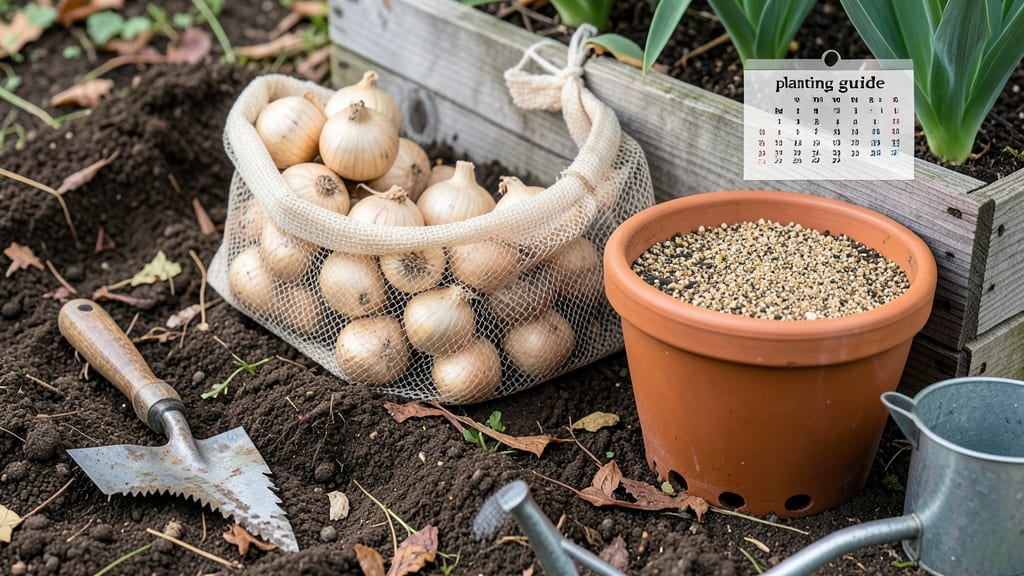
Best planting months for daffodil bulbs in Zone 9
In Zone 9, where winters are mild and frost is rare, timing your daffodil bulb planting becomes a delicate balance.
Unlike colder zones, you don’t need to rush before frost—your goal is to plant when soil temperatures drop to 60°F or below, signaling bulbs to root without sprouting prematurely. This typically lands in October through December, giving bulbs time to establish roots before summer heat returns.
Most gardeners in Zone 9b (like Phoenix or Southern California) aim for mid-October to November as the sweet spot. Planting too early can trigger early growth, while waiting too late risks bulbs sitting dormant in hot soil.
For late bloomers or second chances, a January planting works in cooler microclimates, though spring blooms may be smaller.
Here’s the golden rule: 6-8 weeks before your area’s first frost (even if it’s light). In Zone 9, this often means planting by late November to avoid winter rains that can rot bulbs. Coastal areas may extend planting into early December, while inland deserts should finish by mid-November.
| Planting Window | Zone 9 Specifics | Key Consideration |
|---|---|---|
| October | Ideal for coastal areas (e.g., San Diego) | Soil cools faster; bulbs root before winter rains |
| November | Best for inland deserts (e.g., Phoenix) | Avoids extreme summer heat; bulbs establish before spring |
| December | Backup for late planters (cooler microclimates) | Risk of winter rains; use raised beds for drainage |
| January | Spring blooms only (smaller flowers) | Bulbs may not fully establish; best for containers |
If you’re in a frost-free Zone 9a, like parts of Southern California, you can stretch planting into early January. However, bulbs planted this late may produce smaller blooms the following spring.
For container gardening, timing is less critical—just ensure pots have drainage holes and use a well-draining cactus/succulent mix to mimic Zone 9’s dry conditions.
Missed the fall window? Don’t panic. While spring planting isn’t ideal, you can still try in late winter (February) for blooms the following year. The trade-off is slower establishment and potential summer dormancy stress. For best results, focus on fall planting and use mulch to regulate soil temperatures.
One common mistake in Zone 9 is planting too shallow. Daffodils need 6-8 inches of depth to prevent heat stress. In sandy soils (common in desert Zone 9), dig deeper to 8-10 inches to protect bulbs from summer heat.
Pair this with a 2-inch layer of mulch (like straw or gravel) to retain moisture and insulate roots.
For gardeners in urban heat islands (like Los Angeles), consider shade cloth over newly planted bulbs during the hottest months. This mimics the cooler microclimates where daffodils thrive naturally. Pair this with drip irrigation set to water deeply once a week until rains return in winter.
Finally, choose Zone 9-tolerant varieties like ‘Ice Follies’ (white, early bloomer) or ‘Tête-à-Tête’ (compact, great for containers). These handle heat better than traditional European varieties. Plant them in well-amended soil with compost or aged manure to boost nutrients for next year’s blooms.
Timing your daffodil bulbs in Zone 9 isn’t just about avoiding frost—it’s about giving them the cool roots and warm tops they crave. With the right month and soil prep, you’ll enjoy vibrant spring blooms year after year. 🌼
Best planting months for daffodil bulbs in Zone 9
In Zone 9, where winters are mild and frost is rare, timing your daffodil bulb planting becomes even more critical than in colder climates. The ideal window is October through December, specifically 6-8 weeks before your area's first frost date—typically around mid-December in most of Zone 9.
This timing ensures bulbs establish roots before soil temperatures drop, even slightly.
For Phoenix or Southern California, where frost is almost nonexistent, you can plant as late as January.
However, early fall planting (September-October) is still preferred—it gives roots time to grow before summer heat returns. Spring planting is possible but risky; bulbs may bloom weakly or not at all due to heat stress.
Here’s why timing matters: Daffodils need cool soil (below 60°F) to trigger root growth. Planting too early in Zone 9’s heat can cause bulbs to sprout prematurely, while planting too late may leave them vulnerable to winter rains or fungal issues. Aim for 60-70°F soil temps when planting.
| Month | Planting Window | Soil Temp | Notes |
|---|---|---|---|
| September | Early September (cooler inland areas) | 65-75°F | Best for high-desert zones; avoid coastal heat. |
| October | Ideal for all Zone 9 | 60-70°F | Optimal root establishment before winter rains. |
| November | Safe for most of Zone 9 | 55-65°F | Late bloomers may still thrive. |
| December | Risky in frost-prone microclimates | 50-60°F | Use mulch to insulate bulbs. |
| January | Last resort (coastal only) | 55-65°F | Weak blooms likely; prioritize dwarf varieties. |
If you miss the fall window, don’t despair—spring planting (February-March) can work for dwarf varieties, but expect smaller blooms. For standard daffodils, fall is non-negotiable. Pro tip: Check your local frost dates (even Zone 9 has microclimates!) and adjust accordingly.
For container gardening, plant bulbs in well-draining pots with cactus/succulent mix and keep them in a cool, shaded spot until spring. This mimics the natural dormancy period daffodils need. Remember, patience pays off—your first spring blooms will be worth the wait!
Always test your soil before planting. Zone 9’s alkaline soils (common in desert areas) can stunt bulb growth. Amend with compost or peat moss to improve drainage and acidity. Daffodils hate soggy roots, so prioritize well-draining locations, even if it means raised beds or slopes.