
Plants
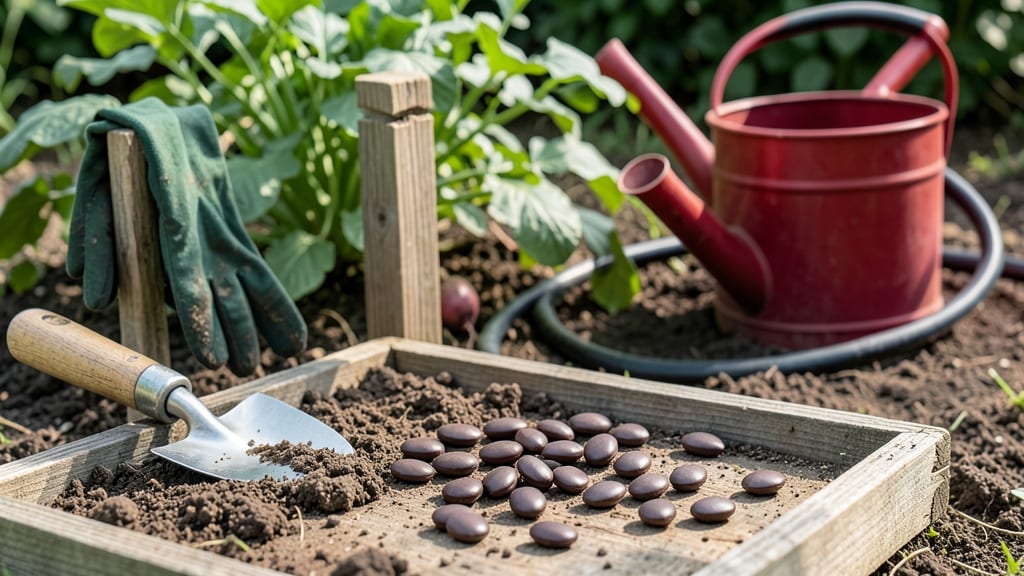
Optimal beet planting times in Southern California’s coastal vs inland zones
Southern California’s microclimates create two distinct worlds for beet growers: the coastal regions with their mild winters and inland valleys baking under summer sun. These differences mean your planting timeline should shift depending on where you live.
Let’s break down the ideal windows for each zone to ensure your beets thrive year-round.
In coastal areas (like Los Angeles or San Diego), cooler temperatures persist longer into fall and spring. This means you can start planting beet seeds as early as late August for a fall harvest or as late as early April for spring.
The key is avoiding heat stress—beets prefer soil temps between 50°F and 80°F for germination and growth.
For inland regions (such as the San Fernando Valley or Riverside), the story changes. Hotter summers mean you’ll want to focus on fall and winter planting, starting seeds in September for a harvest before the heat peaks.
Spring planting is still possible but requires shade cloth or afternoon shade to protect young plants from intense afternoon sun.
Here’s how the two zones compare at a glance:
| Zone | Best Planting Window | Soil Temp for Germination | Harvest Window | Key Challenge |
|---|---|---|---|---|
| Coastal | Late August–Early October (fall) / Early February–March (spring) | 50°F–70°F | October–December (fall) / April–June (spring) | Late frosts (rare but possible) |
| Inland | September–October (fall) / February–March (spring) | 55°F–75°F | November–January (fall) / May–June (spring) | Summer heat stress |
One trick I’ve used in my own Southern California garden is to plant beet seeds every 2 weeks during the optimal windows. This succession planting strategy ensures a steady supply of fresh beets without overwhelming your harvest at once.
For example, if you plant your first batch in late September, follow up with seeds in mid-October and again in early November.
Another pro tip: Direct sow your beets instead of starting indoors. Beets hate transplanting, and their roots can become woody if disturbed. Simply scatter seeds ½ inch deep in rows spaced 12 inches apart and thin seedlings to 3–4 inches apart once they’re a few inches tall.
This spacing gives roots room to grow without competing for nutrients.
If you’re in a high-desert area (like Palm Springs), your planting window might shift even further. Start seeds in August for a fall harvest, as the desert’s intense heat can make late-summer planting risky.
Always check your local USDA hardiness zone—most of Southern California falls in zones 9b–11—and monitor soil temperatures with a thermometer for the most accurate timing.
For heat-tolerant varieties, consider ‘Detroit Dark Red’ or ‘Golden’ beets, which handle warmer conditions better than traditional types. These varieties are also great for cooking—though we’re focusing on growing here!—and their deep colors make them a showstopper in any garden bed.
Finally, don’t forget to mulch your beet beds with 2–3 inches of straw or wood chips. This helps retain moisture in our dry climate and keeps soil temps stable, which is critical for germination and root development.
In my garden, mulching has reduced my watering needs by nearly 50% while keeping beets happy and healthy.
With these zone-specific guidelines, you’ll be well on your way to a bumper crop of beets—whether you’re sipping coastal breezes or battling inland heat. The key is adapting to your microclimate and staying ahead of the weather.
Optimal beet planting times in Southern California’s coastal vs inland zones
Southern California’s coastal and inland zones have wildly different climates, making beet planting a balancing act. Coastal areas like San Diego and Santa Barbara enjoy mild winters and warm summers, while inland spots like Los Angeles and Riverside face scorching heat and cooler nights.
Timing your plantings correctly ensures sweet, tender beets—not bitter, bolted greens or wilted roots.
Beets thrive in cool weather but struggle when temperatures exceed 80°F. In coastal zones, you can plant beets year-round with minimal risk, while inland gardeners must stick to fall and early spring windows.
Let’s break down the best months for each zone, including soil temperature and frost-free dates—because even Southern California isn’t completely frost-proof!
For coastal gardeners, August is a hidden gem—beets planted now mature before summer’s peak heat. Inland areas should avoid planting after April, as temperatures climb too fast.
Pro tip: Use a soil thermometer to confirm germination-ready temps (aim for 60°F+). If your soil runs hotter, try shade cloth or drip irrigation to keep roots cool.
Succession planting is key to year-round harvests. In coastal zones, sow seeds every 3–4 weeks from August to April. Inland gardeners should stick to 2-week intervals in fall and spring.
This ensures a steady supply of baby beets (harvest at 1–2 inches) and full-sized roots (2–3 inches). Varieties like ‘Detroit Dark Red’ handle heat better than ‘Golden’ beets, so choose wisely!
Don’t forget: Beets are bolting magnets when days get long. If your plants send up flower stalks, harvest the greens immediately—the roots will turn woody.
In Southern California, this risk peaks in late spring, so plan your last spring planting by mid-March for inland areas and mid-April for coastal spots.
With the right timing, your beets will reward you with sweet, earthy roots all year. Start with the coastal vs. inland guidelines above, then tweak based on your microclimate. Happy planting—your future salads (and soups!) will thank you. 🌱