
Plants
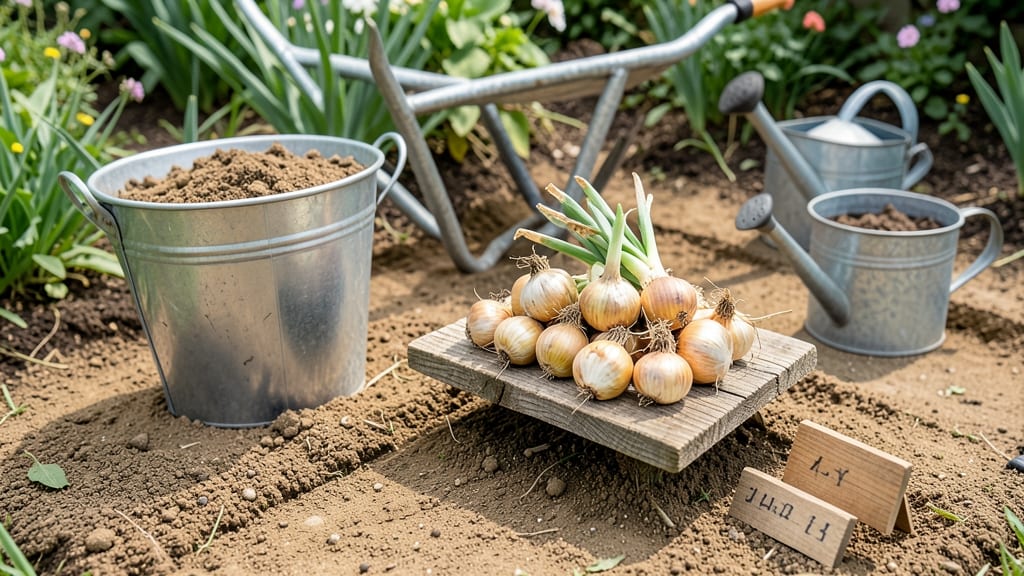
If you’ve ever wondered when to plant daffodil bulbs in Texas to avoid soggy rot or missed blooms, you know timing is everything. Watching your 🌼 daffodil bulbs shrivel in Texas’s scorching heat or freeze before blooming can be frustrating.
Planting too early means soggy, rotting bulbs; too late, and you’ll miss the sweet spot for vibrant spring blooms. The key to zero-frost survival lies in understanding Texas’s unique climate zones and the exact late-fall window that works for your region.
Texas gardeners face a tricky balance—bulbs need 6-8 weeks in the ground before the first frost hits, but they also hate sitting in sweltering soil. Whether you’re in Zone 8a or 10a, the ideal planting window is October through December, but the perfect month depends on where you live.
I’ll break down the best times for North, Central, and South Texas, so you can plant with confidence and skip the guesswork.
Beyond timing, Texas’s heavy clay or sandy soils can make or break your daffodils. We’ll cover soil prep tricks to improve drainage, the best bulb varieties for your area, and how to protect them from late freezes—because even hardy daffodils need a little extra love in unpredictable Texas winters.
Let’s get your garden ready for next spring’s showstopper blooms.
Ready to stop the trial-and-error? By the end of this guide, you’ll know exactly when to plant, how deep to bury those bulbs, and the simple care routine that keeps them thriving. No more wasted bulbs—just reliable, beautiful 🌼 daffodils that pop up year after year.
Texas daffodil planting calendar: best late-fall months by region
Texas’s diverse climate means one planting window doesn’t fit all. North Texas gardeners face earlier frosts than their South Texas counterparts, so timing is critical. The goal? Plant daffodil bulbs 6-8 weeks before the ground freezes—typically between mid-October and December, depending on your zone.
Let’s break it down by region to ensure your bulbs thrive and bloom next spring.
For North Texas (USDA Zones 7b-8a), like Dallas or Fort Worth, aim to plant by November 15.
These areas experience first frosts as early as November 15, but the ground may not freeze solid until December. Central Texas (Zones 8a-8b), including Austin and San Antonio, has a slightly longer window—October 15 to December 1.
Meanwhile, South Texas (Zones 9a-10a), like Corpus Christi or Brownsville, can plant as late as January in some microclimates.
🌼
| Region | USDA Zone | Best Planting Window | Key Consideration |
|---|---|---|---|
| North Texas | 7b-8a | Mid-October – November 15 | First frost: ~November 15 |
| Central Texas | 8a-8b | October 15 – December 1 | Soil stays workable longer |
| South Texas | 9a-10a | November – January | Mild winters; plant later |
| East Texas | 8a-8b | October 1 – November 30 | Higher humidity; amend soil |
Adjust for microclimates—elevated areas freeze faster!
Microclimates play a huge role in Texas gardening. A hilltop garden in North Texas might freeze weeks before a low-lying valley. Check your local first frost dates (use the National Weather Service or Texas A&M AgriLife resources) and plant 2-3 weeks before the average date.
For example, Dallas gardeners should plant by November 1, while Houston gardeners can wait until December 1.
Soil temperature is just as critical as air temperature. Daffodil bulbs need cooler soil (below 60°F) to trigger root growth. In North and Central Texas, soil temps drop below 60°F by mid-October, making that the ideal start.
In South Texas, where soil stays warm longer, wait until November to avoid premature sprouting in the heat.
If you miss the ideal window, don’t panic! January planting is still possible in South and Central Texas, but mulch heavily to protect bulbs from freeze-thaw cycles. In North Texas, January planting risks bulb rot if the ground doesn’t freeze solid.
For a safer backup, plant in containers and move them to a sheltered spot during extreme cold snaps.
Pro tip: Use a soil thermometer to confirm temps. Aim for 50-60°F soil—any warmer, and bulbs may sprout too soon. Cooler soil ensures steady root development before winter dormancy. In drought-prone areas, water deeply 1-2 weeks before planting to help bulbs establish roots faster.
🌱
For container gardening, the rules shift slightly. Potted daffodils can handle later planting because you control the environment. Plant in well-draining pots with sandy loam mix and move containers to a garage or shaded patio if temps drop below 20°F.
This flexibility makes containers ideal for urban Texas gardeners or those with limited garden space.
Lastly, bulb quality matters. Choose Texas-friendly varieties like 'Ice Follies' (dwarf, cold-hardy) or 'Tête-à-Tête' (compact, great for containers). Avoid tropical varieties like rain lilies, which won’t survive Texas winters. Plant larger bulbs (size 1 or 2) for stronger blooms—they’ve stored more energy to weather winter.
✂️
How to prepare daffodil bulbs for Texas heat and humidity
Texas’s heavy clay soils and sweltering summers can turn daffodil planting into a high-stakes gamble. The key to survival? Choosing the right bulbs and prepping soil to prevent rot. Start with Texas-tough varieties like 'Ice Follies' or 'Tête-à-Tête', which handle heat better than standard types.
Before planting, amend your soil with organic matter like compost or coarse sand. Texas clay compacts easily, trapping moisture and suffocating bulbs. Aim for a mix that drains 30% faster than native soil. A simple test: Grab a handful—if it forms a tight ball when wet, you need amendments.
Next, soak bulbs in a fungicide solution (1 part hydrogen peroxide to 10 parts water) for 20 minutes. This kills fungal spores lurking in the soil, a critical step in Texas’s humid climate. Let them dry in shade for 24 hours before planting to prevent rot.
⚠️ Texas-Specific Warning
Avoid planting in low-lying areas where water pools. Texas’s flash floods can drown bulbs overnight. If your yard has poor drainage, raise beds or plant on a north-facing slope to improve airflow.
✅ Do: Plant in well-draining soil with a 2-inch sand layer at the bottom of holes.
❌ Don’t: Use fresh manure or high-nitrogen fertilizers—they burn bulbs and attract pests.
After planting, mulch heavily with 3-4 inches of straw or pine straw. This insulates bulbs from freeze-thaw cycles and keeps soil consistently moist without waterlogging. In South Texas, where winters are milder, reduce mulch to 2 inches to avoid overheating.
Finally, water deeply but infrequently. Texas daffodils hate soggy roots, so soak the soil once a week after planting, then taper to bi-weekly watering once shoots appear. Use a moisture meter to check—soil should feel like a wrung-out sponge, not a swamp.
With these steps, your daffodils will thrive through Texas’s extremes, blooming earlier and bigger than bulbs planted in cooler climates. The secret? Prevention over cure—stop problems before they start. 🌼