
Plants
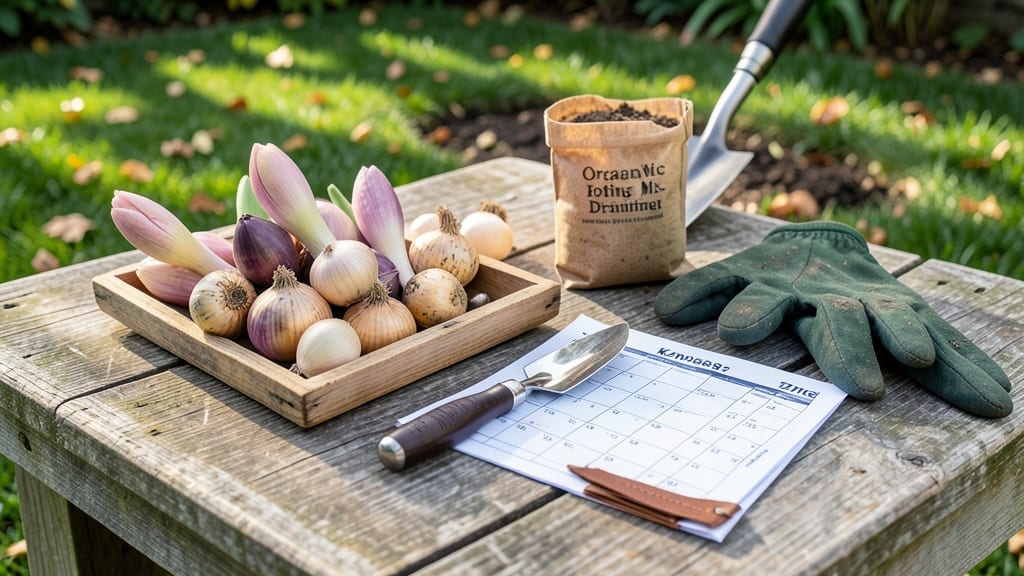
Planting Spring Flowering Bulbs (like 🌷 tulips and daffodils) at the wrong time in Kansas could mean your blooms never even peek through the soil.
The key to vibrant spring displays lies in understanding your local frost dates and soil conditions—especially in zones 5b-6b—where timing can make or break your garden.
Most gardeners in Kansas know fall is the prime window, but did you know planting too early or too late can leave bulbs vulnerable to rot or frost damage?
I’ll break down the exact months that work best for your specific zone, so you can avoid common mistakes and get those zero-frost results you’re dreaming of.
Whether you’re a first-time planter or a seasoned gardener, this guide will walk you through the ideal schedule—from soil prep to the last day to plant before winter sets in. Let’s make sure your bulbs get the perfect start for a showstopping spring.
Ready to transform your yard? You’ll discover how to align your planting with Kansas’s unique climate, ensuring your Spring Flowering Bulbs thrive year after year. No more guesswork—just beautiful blooms.
Kansas planting zones and exact months for bulb success
Kansas spans USDA Zones 5b through 7a, meaning frost dates vary dramatically by region. In Zone 5b (northwest Kansas), the first frost hits around October 15, while Zone 7a (southeast Kansas) may see frost as late as November 15.
This variation is critical for bulb planting—plant too early, and bulbs may sprout before winter; too late, and they won’t root before frost.
Most spring-flowering bulbs—tulips, daffodils, hyacinths, and crocuses—need 6-8 weeks of cool soil temps (below 60°F) to establish roots. In Kansas, this translates to planting between mid-September and mid-November, depending on your zone. Miss this window, and your bulbs may rot or fail to bloom.
Here’s the zone-specific breakdown you need to plan perfectly:
| USDA Zone | Ideal Planting Window | First Frost Date | Bulb Examples |
|---|---|---|---|
| 5b (Northwest KS) | Mid-September to October 15 | October 15 | Tulips, Crocuses, Daffodils |
| 6a (Central KS) | Late September to November 1 | October 30 | Hyacinths, Alliums, Snowdrops |
| 6b (Southeast KS) | October 1 to November 15 | November 15 | Miniature Daffodils, Species Tulips |
| 7a (Extreme SE KS) | October 15 to December 1 | December 1 | Dahlias, Canna Lilies |
Note: Adjust for early/late frosts—check your local National Weather Service data.
For Zone 5b gardeners, aim to finish planting by October 15—this gives bulbs enough time to root before the ground freezes.
In Zone 7a, you can push planting to mid-December, but avoid soggy soil. Hyacinths and crocuses are the hardiest choices for northern Kansas, while dahlias and cannas thrive in southern zones if planted in spring.
Pro tip: Use a soil thermometer to confirm temps are consistently below 60°F before planting. This is especially critical in Zone 6a, where erratic weather can throw off timing. Planting too early in warm soil can cause bulbs to sprout and die back before winter.
Bulbs like tulips and daffodils need 6-8 inches of loose, well-draining soil. In Kansas’s clay-heavy soils, amend with compost or sand to prevent rot. Plant bulbs 3x their depth—so a 2-inch bulb goes 6 inches deep. This depth protects them from voles and temperature fluctuations.
If you’re in Zone 6b or 7a and miss fall planting, don’t panic—spring planting is possible for warm-season bulbs like dahlias or gladiolas. However, most spring-flowering bulbs won’t survive Kansas winters if planted after December 1.
For these, consider forcing bulbs indoors in pots for early spring blooms.
Remember: Frost is your enemy. Bulbs need to root before the ground freezes, but they also need chill hours (300–1,500 hours below 40°F) to bloom. Kansas’s climate delivers this naturally, but timing ensures your bulbs get both root establishment and dormancy.
For maximum blooms next spring, pair your planting with a light fertilizer application in early spring (after foliage dies back). This feeds the bulb for next year’s flowers. Skip fall fertilizer—it can encourage early sprouting, which weakens bulbs before winter.
🌷
Best fall planting schedule for Kansas bulbs (critical timing)
Fall is the golden window for planting bulbs in Kansas, but timing matters more than you might think. The key is to plant 6-8 weeks before the ground freezes—typically between mid-September and mid-November. This gives roots time to establish before winter dormancy, ensuring vibrant spring blooms.
In USDA Zone 6a (western Kansas), aim for early September to avoid early frosts, while Zone 7a (eastern Kansas) can wait until late October.
Missed the fall window? Don’t panic—just adjust your expectations. Bulbs planted too late may not bloom as robustly, but they’ll still survive Kansas winters if the soil isn’t frozen solid.
The critical cutoff is usually mid-November, when temperatures consistently drop below 40°F at night. Use a soil thermometer to check—roots need 40-50°F soil to grow.
Pro tip: Use local frost dates as your guide. Check the Kansas State University Extension for your county’s average first frost date—then plant 6 weeks before. For example, in Wichita (Zone 7a), the first frost hits around October 20, so aim for early September planting.
In Topeka (Zone 6a), the frost comes earlier (October 5), so plant by late August for safety.
Soil prep is just as critical as timing. Kansas’ clay-heavy soils can suffocate bulbs, so amend with compost or sand to improve drainage. Plant bulbs twice as deep as their height (e.g., 6-inch bulbs go 12 inches deep) and space them 4-6 inches apart.
A light mulch (2-3 inches of straw) after planting protects against freeze-thaw cycles and keeps soil temps stable.
Watch for early signs of stress like yellowing leaves or soft bulbs—these mean planting was too late or soil was too wet. If you’re unsure, plant a few extra bulbs in containers near your garden.
This lets you adjust timing based on weather and still enjoy blooms next spring. Containers also help if your yard has poor drainage or heavy clay.
Remember: Patience pays off. Bulbs planted at the right time in Kansas will reward you with bold, early spring color—often before other perennials even think about waking up.
Mark your calendar now: September is your best month to dig in and set the stage for next year’s garden showstopper. 🌷