
Plants
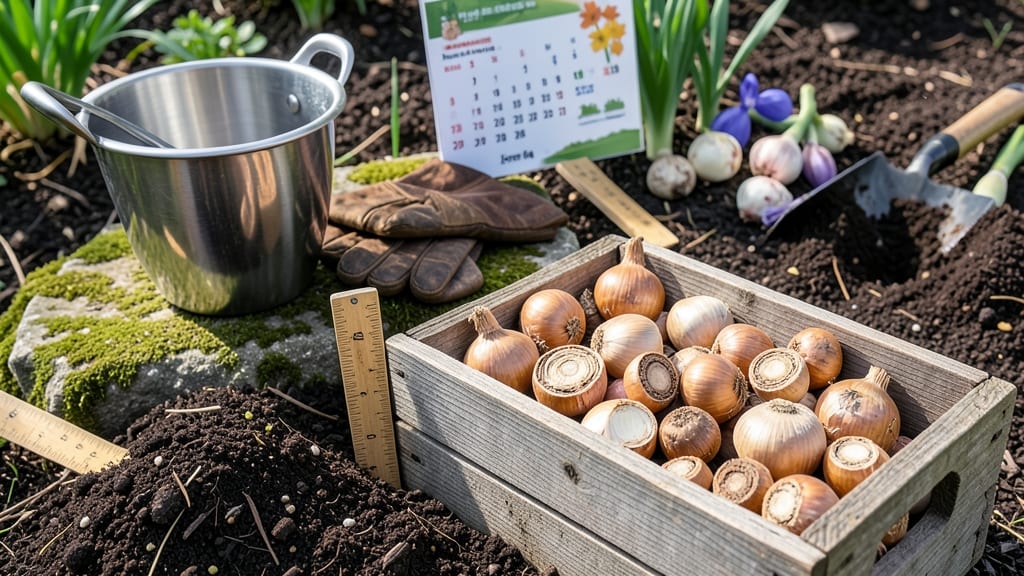
Knowing when to plant bulbs in Zone 6a is the difference between a garden bursting with tulips and daffodils next spring—or a patch of frozen disappointment. With Zone 6a’s unpredictable frosts, timing isn’t just important; it’s everything.
Fall planting is your best bet for spring bloomers like 🌱 tulips and crocuses, but rushing it too early can leave bulbs vulnerable to rot. Meanwhile, spring-planted varieties like summer daffodils need to hit the ground before April’s last frost.
Let’s break down the exact windows and pro tips to ensure your bulbs thrive.
You’ll learn how to prep your soil, choose the right bulbs for your climate, and avoid common mistakes that even experienced gardeners make. Whether you’re a beginner or a seasoned green thumb, these strategies will help you maximize blooms year after year.
Ready to transform your garden? Let’s dive into the step-by-step schedule that guarantees vibrant, healthy bulbs—no guesswork required.
Zone 6A bulb planting calendar: exact months for fall and spring planting
In Zone 6A, where winters can be harsh and summers warm, timing your bulb planting is the secret to vibrant spring blooms. Most bulbs need a cold period to flower, so fall planting is ideal for spring bloomers like tulips and daffodils.
But summer-blooming bulbs like dahlia tubers thrive when planted in early spring.
Your last frost date (around April 15 in Zone 6A) and first frost date (around October 15) are your planting anchors. Aim to plant 6-8 weeks before the ground freezes in fall, giving bulbs time to root before winter.
For spring planting, wait until soil temperatures rise above 50°F.
🌱 Zone 6A Bulb Planting Timeline
| Season | Month | Best Bulbs to Plant | Key Tip |
|---|---|---|---|
| Fall | September | Tulips, Daffodils, Hyacinths, Crocuses | Soil should be 60°F+ and workable. |
| Fall | October | Alliums, Snowdrops, Muscari | Plant before first frost (Oct 15). |
| Fall | November | Late-blooming Tulips, Fritillaries | Ground should be cool but unfrozen. |
| Spring | March | Dahlias, Caladiums, Begonias | Wait until soil warms to 50°F+. |
| Spring | April | Gladiolus, Canna Lilies | After last frost date (April 15). |
🌿 Pro Tip: Use a bulb planter for precise depth—most bulbs need 6-8 inches deep.
For spring-blooming bulbs, fall planting is non-negotiable. In Zone 6A, this means starting in late September and wrapping up by mid-November. If you miss the window, don’t panic—some bulbs like tulips can handle late fall planting, but they may bloom later or less vigorously.
Spring-planted bulbs, like dahlias, need to wait until soil temperatures stabilize. In Zone 6A, this is typically late March to early April. These bulbs thrive in warmth and won’t tolerate frost, so timing is critical to avoid root rot.
Adjust your schedule based on microclimates in your garden. A south-facing slope warms up faster in spring, while a north-facing bed stays cooler longer. Use mulch (like straw) after planting to insulate bulbs and protect them from freeze-thaw cycles.
If you’re unsure about your last frost date, check with your local Cooperative Extension Service or use a frost calendar. In Zone 6A, average first frost is October 15, but early frosts can sneak in—so don’t wait until November to plant!
For container gardening, plant bulbs in well-draining pots and move them to a garage or cold frame if frost threatens. This gives you flexibility to adjust planting times based on weather forecasts.
Remember, bulb quality matters. Choose firm, plump bulbs with no mold or soft spots. Planting high-quality bulbs ensures stronger roots and better blooms, even if timing isn’t perfect.
Finally, label your bulbs if you plant a mix of varieties. This helps you track which bulbs need special care (like tulips, which often decline after a few years and need replacing). With this schedule, you’ll enjoy show-stopping blooms year after year! 🌷
Zone 6A bulb planting calendar: exact months for fall and spring planting
In Zone 6A, the key to successful bulb planting is timing—specifically, planting 6-8 weeks before the first frost (typically mid-October) for fall-planted varieties. This window ensures bulbs establish roots before winter dormancy.
Spring planting, meanwhile, should occur 4-6 weeks before your last frost date (usually early March in Zone 6A).
Most bulbs—like tulips, daffodils, and hyacinths—are planted in fall for spring blooms. However, summer-blooming bulbs (e.g., dahlia tubers) go in early spring. Missing these deadlines can leave your bulbs vulnerable to frost damage or poor root development.
Here’s your Zone 6A bulb planting schedule broken down by month, including ideal planting windows and key tasks:
| Month | Bulb Type | Planting Window | Key Task |
|---|---|---|---|
| September | Tulips, Daffodils, Hyacinths | Early Sept (Zone 6A) | Plant in well-draining soil |
| October | All Spring-Blooming Bulbs | Mid-Oct (before frost) | Mulch after planting |
| November | Late Bulbs (e.g., Snowdrops) | Early Nov (if soil workable) | Avoid disturbing soil |
| March | Summer-Blooming Bulbs | Early March (after frost) | Fertilize lightly |
| April | Tender Bulbs (e.g., Dahlias) | Late April (soil warm) | Water deeply |
For Zone 6A, aim to finish fall planting by mid-October—any later risks frost damage to tender roots. In spring, wait until soil temperatures rise above 50°F (around early March) before planting summer-blooming bulbs like cannas or gladiolus.
Always adjust for your specific microclimate; urban areas may freeze earlier than rural zones.
Pro tip: Use a soil thermometer to confirm ground temps are below 60°F before planting fall bulbs. This prevents premature sprouting, which weakens bulbs before winter. Mulch with 3-4 inches of straw after planting to insulate roots during cold snaps.
Even with perfect timing, bulb quality matters. Choose firm, disease-free bulbs from reputable nurseries, and store them in a cool, dry place (40–50°F) until planting day. This ensures your Zone 6A garden bursts with color year after year.