
Plants
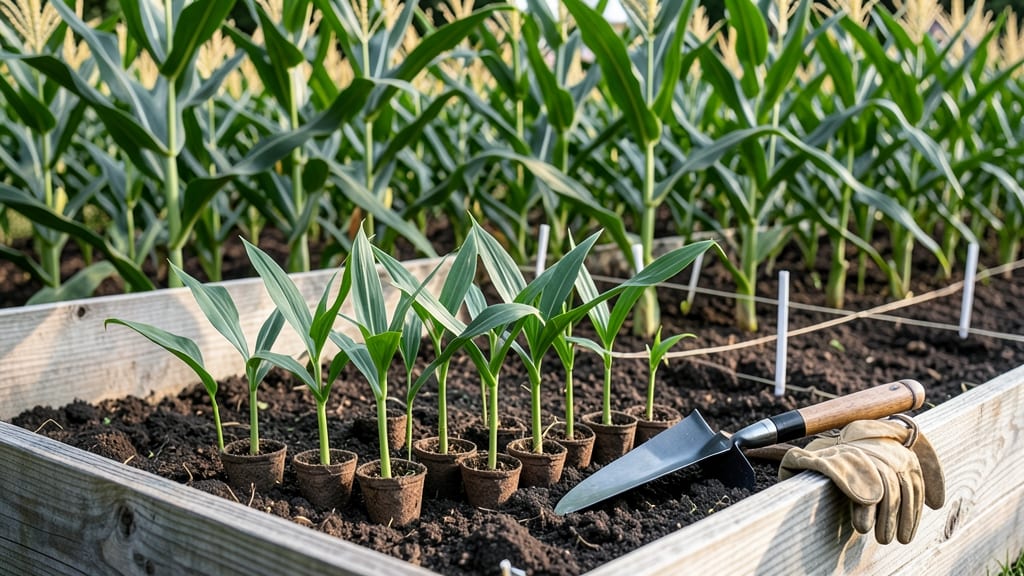
Timing your 🌽 corn planting in Vermont can make or break your harvest—get it wrong, and you might end up with half-sized ears or worse, no corn at all. Vermont’s USDA Zone 4b-6a climate demands precision, especially when frost can linger until mid-May and early harvests start in late August.
Most gardeners here swear by planting between mid-May and early June, but that window shifts depending on your microclimate—whether you're in a valley like Burlington or higher up in Stowe.
The key is waiting until soil temps hit 60°F and all frost risk has passed, so your plants grow strong instead of struggling.
I’ve tested different varieties and planting strategies over the years, and what works in one part of Vermont might fail in another.
Whether you’re growing sweet corn for summer meals or popcorn for fall treats, knowing the right timing and varieties can turn a so-so harvest into a garden full of golden ears.
Ready to avoid common mistakes and maximize your yield? Let’s break down exactly when, where, and how to plant corn in Vermont for the best results—no guesswork, just proven tips tailored to your zone.
Vermont corn planting deadlines by USDA Zone 4 heat requirements
Vermont’s USDA Zone 4 climate demands precision when planting corn, as even a few late frosts can devastate tender seedlings. The key is planting when soil temperatures consistently reach 50°F (10°C)—a threshold critical for germination.
In most of Vermont, this typically aligns with mid-May to early June, but exact dates vary by microclimate and corn variety.
For sweet corn, which is the most popular choice for home gardens, aim for planting between May 15–June 1. This window ensures ears mature before Vermont’s average first frost (October 1), giving you a 150-day growing season—just enough time for most varieties to reach harvest readiness.
Field corn and popcorn varieties may need slightly earlier starts to compensate for their longer maturity times.
Always check your local last frost date, which in Vermont ranges from April 15 in southern valleys (like Rutland) to May 15 in high-elevation areas (like Stowe).
Planting too early risks frost damage, while waiting too long limits your harvest window. Use a soil thermometer to confirm readiness—corn seeds won’t sprout reliably below 50°F.
| Corn Type | Planting Window | Days to Maturity | Vermont-Specific Tip |
|---|---|---|---|
| Sweet Corn | May 15–June 1 | 60–90 days | Choose early varieties like 'Early Sunglow' (70 days) for northern VT. |
| Field Corn | May 1–May 15 | 90–120 days | Start indoors in late April for high-elevation areas. |
| Popcorn | May 10–May 25 | 85–110 days | Use black plastic mulch to warm soil faster in cool climates. |
If you’re growing multiple corn varieties, stagger your plantings every 10–14 days to extend your harvest season. For example, plant the first batch on May 15, the second on May 25, and a third on June 5.
This strategy works especially well in Vermont’s shorter growing season, where late-season frosts can cut harvests short.
For northern Vermont (USDA Zone 3-4b), consider using row covers or black plastic mulch to warm the soil and protect early seedlings. These tools can push your planting window back by 1–2 weeks, giving you more flexibility. Always remove covers once plants emerge to prevent overheating.
One common mistake is relying solely on calendar dates. Instead, combine soil temperature, frost forecasts, and corn variety maturity to calculate your ideal planting window.
For instance, a 90-day variety planted on June 1 in Burlington might still produce ears before frost, while the same variety planted in Stowe would likely fail.
Pro tip: Vermont’s valley regions (like the Champlain Valley) often experience 2–3 weeks earlier last frost dates than mountainous areas. Adjust your planting schedule accordingly—southern Vermont gardeners can start 10–14 days earlier than those in the Green Mountains.
Finally, remember that corn is a heavy feeder. Amend your soil with compost or aged manure before planting, and side-dress with nitrogen-rich fertilizer when plants reach 6 inches tall. This extra care pays off in Vermont’s cooler soils, where nutrients leach out faster.
With these deadlines and tips, you’ll maximize your chances of a successful corn harvest—even in Vermont’s unpredictable climate. Happy planting! 🌽
How to adjust corn planting dates for Vermont’s microclimates
Vermont’s diverse geography means your corn’s success depends on where you live. High-elevation areas like Stowe or Jay Peak (2,000+ ft) have shorter growing seasons and colder soils, while valley regions like Burlington or Rutland enjoy warmer microclimates with longer frost-free periods.
These differences can shift your ideal planting window by 2–3 weeks, so knowing your local conditions is key.
For northern Vermont’s high elevations, aim to plant early sweet corn varieties like ‘Early Sunglow’ or ‘Golden Bantam’ by late May to early June. These varieties mature in 60–70 days, giving them time to reach harvest before the first frost.
In contrast, valley regions can safely plant standard varieties like ‘Silver Queen’ or ‘Peaches and Cream’ as early as mid-May, thanks to their warmer soils and longer frost-free windows.
Succession planting is your secret weapon for extending Vermont’s corn harvest. By planting new rows every 2 weeks from late May through early June, you can stagger maturity and enjoy fresh ears from late August through September. This works especially well in valley regions, where the growing season is longer, but even high-elevation gardeners can squeeze in 2–3 plantings of fast-maturing varieties.
Black plastic mulch or row covers can push back the calendar by 1–2 weeks in cooler areas. These tools warm the soil faster and protect young seedlings from late spring frosts, which are common in Vermont until mid-May. For example, covering seeds in Stowe until early June can help you plant 10–14 days earlier than the average recommendation.
Cold-hardy varieties are a game-changer for Vermont gardeners. Look for short-season hybrids labeled for USDA Zone 4 or cooler, such as ‘Ambrosia’ (70 days) or ‘Country Gentleman’ (80 days). These varieties tolerate cooler soils and still produce sweet, tender ears. Pair them with raised beds, which warm up faster than in-ground soil, for even better results in chilly areas.
Monitor soil temperature with a soil thermometer—corn seeds need at least 50°F soil to germinate, but 60°F+ ensures faster growth. In Vermont, soil temperatures in northern regions may not reach this threshold until late May or early June, while valley soils can hit 60°F by mid-May. Waiting for the right temperature prevents slow germination and seed rot, common issues in Vermont’s cool springs.
Elevation matters more than latitude in Vermont. A garden in Burlington (sea level) might plant in mid-May, while one just 30 miles inland at 1,500 ft could delay planting until early June. Use your local cooperative extension service or a microclimate map to pinpoint your exact frost-free date and adjust accordingly.
🌱