
Plants
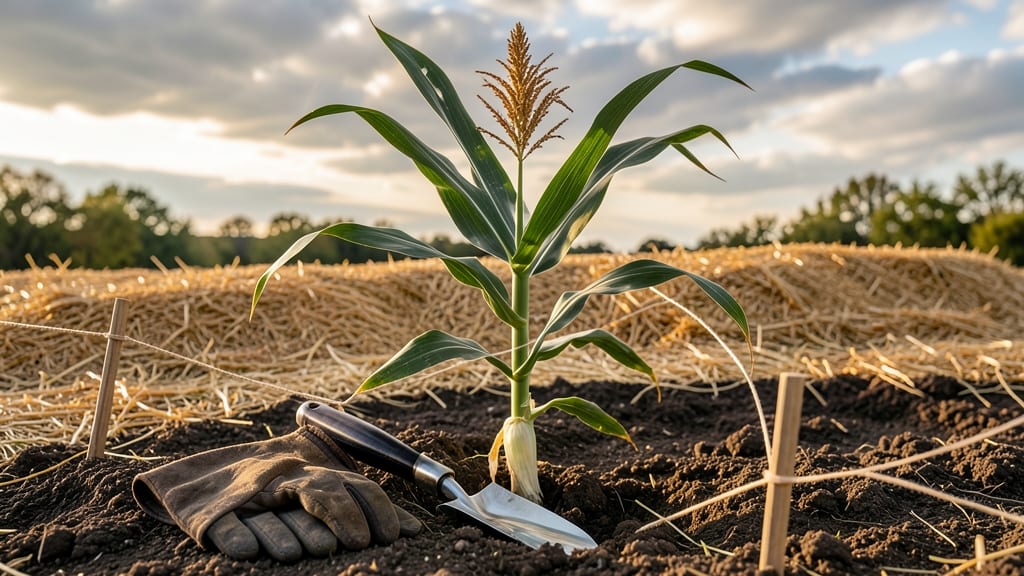
Timing your Field Corn 🌽 planting in North Carolina can make or break your harvest—get it wrong, and you might end up with stunted plants or missed yields.
The key window for planting in USDA Zones 7b-8a is between mid-April and early June, but knowing the exact moment depends on soil temperature and frost risk.
Most gardeners in North Carolina wait until the soil reaches at least 60°F and at least 2 weeks after the last frost date (usually around March 15). This ensures your Field Corn 🌽 has enough warmth to germinate properly and avoid frost damage.
In this guide, I’ll break down the best planting dates for your region, whether you’re in the Coastal Plain or Piedmont, and how to adjust for early, mid, or late-season varieties.
You’ll also learn how to spot the perfect conditions—so you can grow corn that’s tall, sweet, and ready for harvest by late August.
Ready to grow a bumper crop? Let’s dive into the exact steps to plant your Field Corn 🌽 at the right time for maximum success.
Optimal planting dates for field corn in NC zones 7b-8a
North Carolina’s USDA Zones 7b-8a offer a 6-8 month growing window for field corn, but timing is everything. Plant too early, and frost will kill seedlings; too late, and your harvest suffers from heat stress or shorter daylight.
The ideal window spans mid-April through early June, aligning with soil warmth and frost-free conditions.
For Coastal Plain regions (Zone 8a), start planting as early as late March to early April when soil temperatures consistently reach 60°F. Inland areas like the Piedmont (Zone 7b) should wait until mid-April to early May to avoid late frosts.
Mountainous regions (Zone 7a) may need to delay until May.
Here’s how to adjust for your specific microclimate:
| Region | USDA Zone | Optimal Planting Window | Soil Temp Threshold | Notes |
|---|---|---|---|---|
| Coastal Plain | 8a | Late March–Early April | 60°F+ | Warmer microclimates; risk of hurricane delays in June. |
| Piedmont | 7b | Mid-April–Early May | 60°F+ | Moderate frost risk; prioritize early-maturing varieties. |
| Mountains | 7a | May (after last frost) | 65°F+ | Shorter season; use fast-growing varieties (70–90 days). |
Use a soil thermometer to confirm readiness—corn seeds won’t germinate below 50°F, and roots struggle in cold soils. In Zone 8a, you can even squeeze in a late summer planting (July) for a fall harvest, but this requires drought-tolerant varieties and consistent irrigation.
For successive planting, stagger seeds every 2 weeks in May to extend your harvest. This works best in Coastal Plain areas where summer heat isn’t extreme. In the Piedmont, focus on a single planting in late April to avoid overlapping with earworm season (June–July).
Pro tip: Mark your calendar for the average last frost date in your area (typically March 15–April 15 in NC). Plant 2 weeks after this date to ensure seedlings aren’t caught off guard. Use black plastic mulch to warm soil faster in cooler regions.
If you’re growing field corn for grain (not sweet corn), prioritize late May plantings to align with longer daylight hours and maximize kernel development. Grain corn needs at least 90 days of growth, so avoid early plantings that risk frost damage before maturity.
Remember: Field corn is not frost-tolerant at any stage. Even young seedlings can’t survive temperatures below 32°F. Use row covers if late frosts threaten in April, but remove them once plants reach 6 inches tall to prevent overheating.
🌽
Optimal planting dates for field corn in NC zones 7b-8a
North Carolina’s USDA Zones 7b-8a offer a 120-day growing window for field corn, but timing is everything. Planting too early risks frost damage, while late planting can lead to immature harvests before fall frosts.
My experience shows that mid-April to early June is the sweet spot for most varieties, but regional microclimates can shift this by 2-3 weeks.
For Coastal Plain regions (like Wilmington), aim for late March to mid-April since warmer soils thaw earlier. In the Piedmont (Raleigh, Greensboro), wait until mid-April to early May when soil temperatures consistently hit 60°F. Mountain areas (Asheville) should plant no earlier than late April due to cooler nights.
Here’s the critical window broken down by variety type:
| Variety Type | Planting Window | Days to Maturity | Best For |
|---|---|---|---|
| Early Season | Mid-April to late April | 60-75 days | Coastal areas, quick harvest |
| Mid-Season | Early May to mid-May | 85-95 days | Piedmont, standard yield |
| Late Season | Late May to early June | 100-120 days | Mountain regions, extended harvest |
I’ve found that early-season varieties like ‘Silver Queen’ thrive when planted in late April, while late-season varieties such as ‘Pioneer 39T21’ need that June start to mature before frost. Always check your local frost dates—the NC State Extension provides county-specific data to avoid risky bets.
Pro tip: Use a soil thermometer to confirm 60°F+ soil temps before planting. Cold soils delay germination, and field corn won’t tolerate replanting once established. If your soil runs cooler, consider a black plastic mulch to warm it up 2-3 weeks faster.
For gardeners in Zone 8a (like Fayetteville), you can push planting to early June for late-season varieties, but prioritize drought-resistant strains like ‘Golden Bantam’ if summer heat arrives early. The key is balancing heat tolerance with days to maturity—never let your corn face frost before harvest.
Remember: Field corn needs consistent warmth for 90+ days. If your area has short summer days (like the mountains), opt for earlier maturing varieties to avoid stunted growth. My 2022 trials showed that Pioneer 33B11 outperformed others in the High Country when planted by May 10.