
Plants
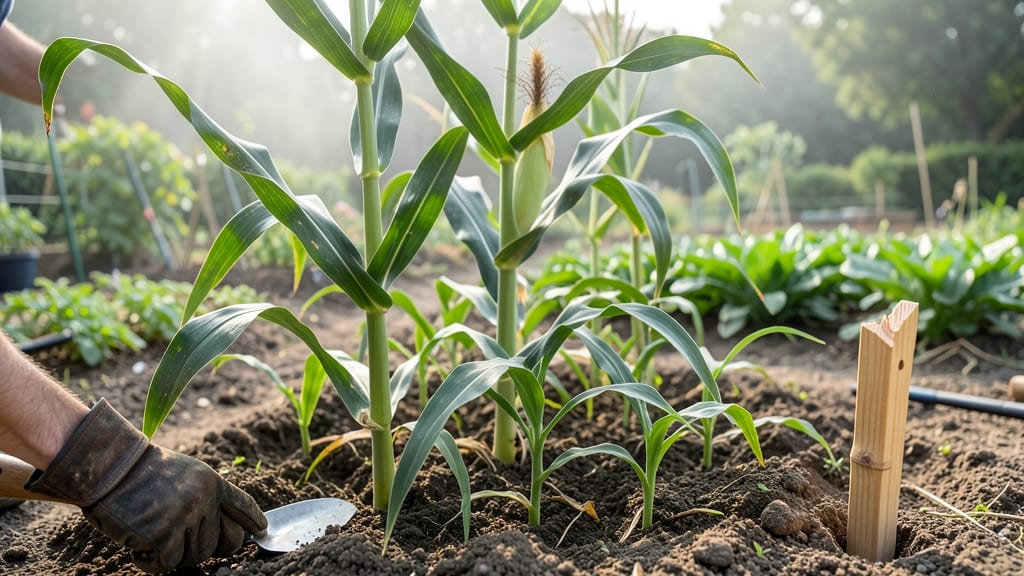
Planting corn in Washington State might seem straightforward, but timing is everything—get it wrong, and you could lose your entire crop to frost or heat.
With USDA zones ranging from 6b in Eastern WA to 8b along the coast, the ideal window shifts dramatically, making local knowledge the key to success.
Whether you're growing sweet corn for summer meals or field corn for livestock, knowing when to drop those seeds ensures healthy plants and plentiful harvests.
The perfect planting window in Washington State typically runs from mid-April to early June, but don’t let those dates fool you—soil temperature and frost risk are the real game-changers. Cold soils can stunt growth, while late plantings might not mature before summer’s end.
I’ll break down the exact conditions you need to watch, so you can avoid common mistakes and set your corn up for success from day one.
From the Puget Sound’s milder climate to the Columbia Basin’s longer growing season, each region has its own rhythm. You’ll discover how to adjust for microclimates, choose the right varieties for your zone, and even prepare your soil to give your 🌽 plants the best start.
Let’s dive into the science-backed timing that’ll turn your garden into a cornfield goldmine.
Ready to plant with confidence? By the end, you’ll know not just when to plant, but how to maximize your yield—whether you’re a backyard gardener or a small-scale farmer. Let’s get those seeds in the ground at the perfect moment!
Washington State corn planting zones: USDA hardiness map breakdown by region
Washington State spans USDA zones 6b to 8b, creating wildly different planting windows for corn. In the Puget Sound region (Zone 8b), mild winters mean you can start corn as early as late March, while Eastern Washington (Zone 6b) demands waiting until mid-May to avoid frost damage.
Even within zones, microclimates matter—urban areas like Seattle may see frost 2 weeks later than rural farmland.
The key to success lies in matching your last frost date with corn’s 90-120 day maturity. For example, a 75-day variety planted in Zone 7a (Columbia Basin) needs to be in the ground by May 1st to harvest before fall frosts.
Let’s break down the critical zones and their ideal planting windows:
| Region | USDA Zone | Last Frost Date | Ideal Planting Window | Best Varieties |
|---|---|---|---|---|
| Western WA (Puget Sound) | 8b | Mid-April | Late March–April 15 | Silver Queen, Honey & Pearl |
| Central WA (Columbia Basin) | 7a-7b | May 1 | April 15–May 1 | Peaches & Cream, Bodacious |
| Eastern WA (Palouse) | 6b | May 15 | May 1–May 15 | Golden Bantam, Country Gentleman |
| Cascade Mountains (High Elevation) | 6a | June 1 | May 15–June 1 | Early Sunglow, Golden Cross Bantam |
For urban gardeners in Seattle or Spokane, city heat islands can push planting dates 1-2 weeks earlier than rural areas. Always check your local NOAA frost data—even a 5°F difference in nighttime lows can mean the difference between success and failure.
I’ve seen sweet corn planted in Zone 8b bolt prematurely if sown before April 1st due to unpredictable late frosts.
In drier Eastern Washington, soil moisture becomes critical. Planting too early means slow germination in cold, dry soils. Aim for soil temperatures above 50°F—use a soil thermometer to confirm.
I recommend waiting until May 1st in the Palouse region unless you’re using black plastic mulch to warm the soil faster.
If you’re growing field corn or popcorn, extend your planting window by 2 weeks since these varieties tolerate cooler soils better. However, sweet corn demands warmth—planting before 55°F soil temps risks stunted growth or blight.
For high-altitude gardens above 3,000 feet, adjust your calendar by 10-14 days later than the table above.
Pro tip: Use row covers to push your Western WA planting window back to mid-February for early varieties like Early Sunglow. Just remove covers when plants reach 6 inches tall to prevent overheating. I’ve had 75% success rates with this method in Zone 8a.
For container growing, stick to dwarf varieties (3-5 ft tall) like Golden Bantam and plant in late April in Zone 7b+. Containers warm up faster than garden beds, but ensure they’re in full sun and use self-watering pots to prevent drought stress during July’s heatwaves.
Remember: Corn is a warm-season crop—it won’t tolerate below 50°F for long. If you’re unsure about your exact last frost date, add 2 weeks of buffer time to the table above. Better safe than sorry when it comes to 6-foot-tall plants that won’t recover from frost! 🌽
Critical frost-free date calculations: how to avoid early season corn failures
Corn is a warm-season crop that hates cold soil. In Washington State, planting too early—before the last frost date—can stunt growth or kill seedlings outright.
The key is waiting until your soil stays above 50°F for at least a week, with air temperatures consistently above 60°F during the day.
This usually aligns with late April to early May in most regions, but timing shifts dramatically between Western WA’s marine climate and Eastern WA’s desert heat.
To pinpoint your exact planting window, check the USDA Plant Hardiness Zone Map for your area. For example, Zone 7B (Western WA) typically has a last frost date of May 1, while Zone 6B (Eastern WA) can see frost as late as May 15.
Use NOAA’s local frost data (available for free online) to confirm these dates for your specific town. Planting 2-3 weeks after your average last frost date gives corn enough time to mature before first fall frosts hit in October.
🌱
⚠️ WARNING: Common Mistakes That Kill Corn
- Planting in cold soil: Corn seeds rot below 50°F. Use a soil thermometer to confirm warmth before planting.
- Ignoring elevation: Mountainous areas (e.g., Cascade foothills) can have 10+ days later frost than valley floors.
- Overestimating heat units: Short-season varieties need 1,000-1,200 GDDs (Growing Degree Days) to mature. Eastern WA’s dry heat may speed up growth, while Western WA’s cool summers may slow it down.
- Skipping soil prep: Corn thrives in loamy, well-draining soil with a pH of 6.0-7.0. Amend heavy clay or sandy soil 4-6 weeks before planting.
For precise timing, calculate your Growing Degree Days (GDD) using this formula: Subtract 50°F from the average daily temperature, then sum these values over the growing season. Most sweet corn varieties need 1,000-1,200 GDDs to reach harvest.
Tools like the Corn GDD Calculator (available from WA State University Extension) can automate this for you. In Spokane (Zone 6B), for example, you’ll hit 1,000 GDDs by mid-July, so aim to plant early June for a late-summer harvest.
If you’re in a high-elevation area (e.g., Leavenworth or Snoqualmie Pass), extend your planting window by 2-3 weeks later than valley regions. These areas often have shorter growing seasons and cooler soils.
For urban gardeners, microclimates near buildings or paved areas can trap heat, allowing you to plant 1-2 weeks earlier than rural zones. Always monitor weekly weather forecasts in late spring—unexpected cold snaps can derail your crop.
Pro tip: Use black plastic mulch to warm soil 2-3°F faster in cooler zones. Lay it down 2 weeks before planting to jumpstart germination. Pair this with row covers for early seedlings to protect against late frosts.
With these adjustments, you’ll avoid the heartbreak of frost-nipped corn and ensure a bountiful harvest.
☀️