
Plants
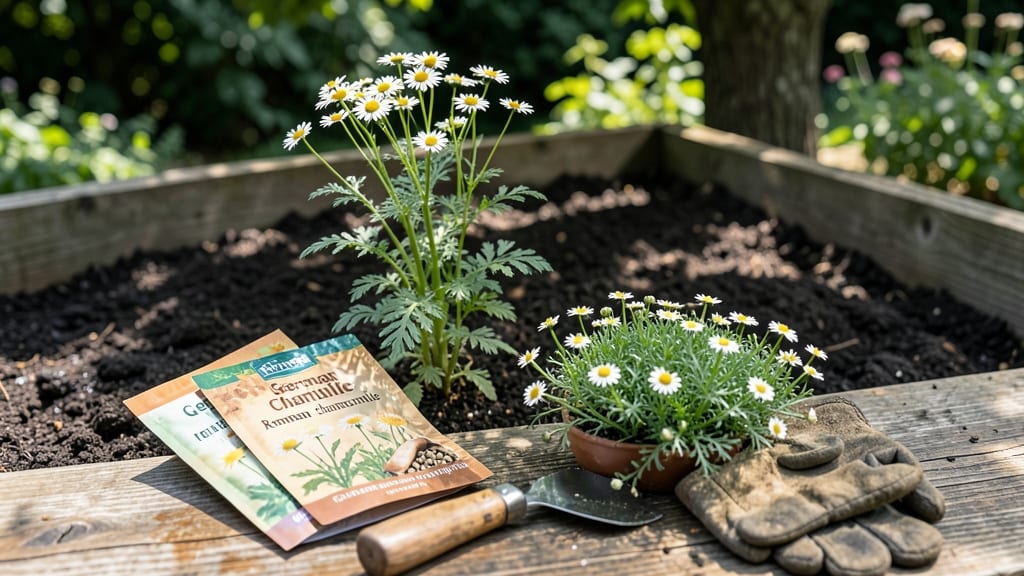
Planting chamomile in Texas isn't just about timing—it's about outsmarting the state's unpredictable heat and late frosts that can turn your garden dreams into a sad, wilted reality.
The right window means the difference between a thriving patch of 🌼 chamomile and a failed experiment, especially in zones 8a-10a where temperatures swing wildly.
If you've ever watched your chamomile bolts reach for the sky only to crisp under summer's glare or freeze under an unexpected frost, you know the stakes. The secret? Planting in September-October or February-March—when soil temps are just right and the worst extremes have passed.
But Texas isn't one-size-fits-all, so let's break down exactly when to plant based on your region.
North Texas gardeners face earlier frosts, while South Texas can push boundaries further. We'll cover everything from soil prep to spacing tricks that keep your chamomile happy through Texas' drought-prone summers. No more guessing games—just proven strategies for zero-frost survival and maximum blooms.
Ready to transform your garden into a chamomile paradise? I'll walk you through the exact steps, including how to extend your growing season and avoid the 3 biggest mistakes that kill Texas chamomile. Let's get those delicate white blooms thriving in your backyard.
Texas chamomile planting calendar: month-by-month guide by frost Zone
Texas’ three distinct frost zones mean your chamomile planting window can vary by 6+ weeks. North Texas gardeners face January frosts, while South Texas may see November chills.
To avoid frost damage, time your planting based on your last average frost date—typically December 15 in Zone 8a (North) and February 1 in Zone 10a (South).
For zero-risk planting, aim for soil temperatures above 60°F. Use a soil thermometer to check—chamomile roots thrive when soil stays consistently warm.
In North Texas (Zones 7b-8a), wait until mid-September to plant; in Central Texas (Zones 8a-8b), early September works, while South Texas (Zones 9a-10a) can start as early as late August.
Here’s your month-by-month breakdown for Texas chamomile success, including ideal soil temps and frost-free windows:
| Texas Zone | Last Frost Date | Best Planting Month | Soil Temp Threshold | Notes |
|---|---|---|---|---|
| North (7b-8a) | Dec 15 | Mid-Sept to Oct | 60°F+ | Use row covers if planting early. |
| Central (8a-8b) | Jan 15 | Early Sept to Oct | 60°F+ | Avoid summer planting—heat stress kills seedlings. |
| South (9a-10a) | Feb 1 | Late Aug to Sept | 65°F+ | Can plant year-round with shade. |
If you miss fall planting, don’t panic—early spring (February-March) is your second chance. Just ensure nighttime temps stay above 50°F to prevent chamomile bolting (premature flowering). For container growing, extend your window by 4-6 weeks—pots warm up faster than garden beds.
Pro tip: Direct-sow chamomile in well-draining soil (mix in sand or perlite if your clay soil bakes hard). Space seeds 12 inches apart—crowding leads to fungal diseases in Texas’ humid summers. Water deeply once after planting, then let soil dry slightly between waterings to prevent root rot.
For Texas gardeners in Zone 9a+, you can even try winter planting (November-December) if you provide partial shade. Chamomile’s drought tolerance kicks in after 60 days, so established plants handle Texas heat waves like a champ. Just mulch heavily (2-3 inches of straw) to retain moisture.
Remember: Chamomile flowers best when planted for fall harvest. If you plant in September, expect April-May blooms—just in time for Texas’ cooler spring weather. For year-round blooms, stagger plantings every 4-6 weeks.
Use a planting calendar to track your chamomile’s progress. Mark soil temps, watering days, and first bloom dates to refine your schedule each year. Over time, you’ll nail the perfect Texas planting window for your microclimate.
🌼
How to extend chamomile’s growing season in Texas heat
Texas summers can turn your chamomile into a crispy critter if you don’t act fast. The key to success? Beat the heat with smart strategies that keep your plants thriving when temperatures soar above 90°F.
Chamomile loves cool weather but can handle heat—with the right prep, it’ll reward you with delicate blooms even in August.
Start by giving your chamomile a shade break during peak afternoon heat. Use lightweight row covers or plant near taller companions like sunflowers or basil to filter harsh sunlight. This simple trick can drop soil temps by 10-15°F, making all the difference in Texas’ brutal summers.
🌿 Proven Heat-Protection Tips for Texas Chamomile
- Morning watering only—soak soil deeply before 9 AM to prevent evaporation.
- Mulch with 2-3 inches of straw to lock in moisture and cool roots.
- Plant in raised beds with fast-draining soil to avoid soggy roots.
- Use drip irrigation instead of overhead watering to reduce stress.
- Harvest early in the day when flowers are cool and hydrated.
Don’t overlook the power of companion planting. Chamomile pairs beautifully with dill, thyme, or marigolds, which naturally repel pests and improve airflow. Avoid planting near tomatoes or mint, though—these compete for resources and stress your chamomile further.
If you’re in South Texas (Zones 9-10a), consider treating chamomile as a winter crop. Plant in late summer (August-September) to take advantage of cooler fall temperatures, then harvest before summer heat returns. This two-season approach maximizes your yield without risking heat damage.
Watch for heat stress signs like yellowing leaves or wilted buds—these mean your chamomile is struggling. Move potted plants to shadier spots immediately and increase watering frequency to every 3-4 days during heatwaves. A little extra care now prevents total crop failure later.
With these strategies, your chamomile will thrive year-round in Texas’ unpredictable climate. The secret? Adaptability—just like the resilient plants themselves. 🌸