
Plants
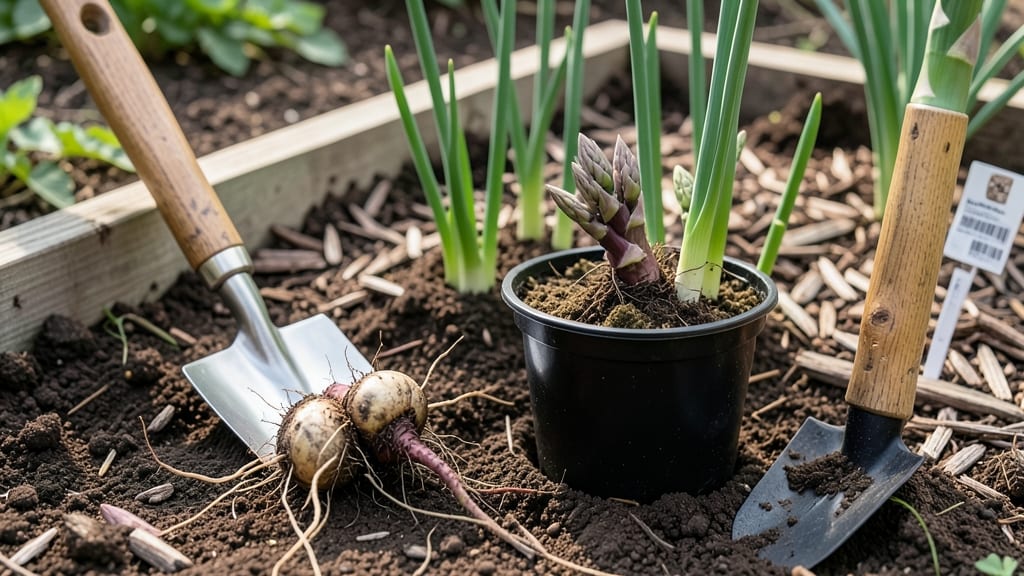
Planting asparagus in North Texas at the wrong time can turn your spring gardening dreams into a frost-burned disappointment. But here's the good news: with the right timing, you can grow this hardy perennial for years with minimal effort.
North Texas gardeners in USDA Zone 8a have a narrow window to plant asparagus crowns - typically between February and early March. This timing ensures roots establish before the heat of summer arrives, setting you up for that first harvest in March or April.
Why does timing matter so much? Asparagus needs 60-80 days of cool soil temperatures to develop strong roots before summer's heat takes over. Plant too late, and you'll struggle with stunted growth or even crop failure.
In this guide, I'll walk you through exactly when to plant, how to prepare your North Texas soil, and what to watch for to ensure your asparagus thrives for years to come. Let's get those crowns in the ground at the perfect moment!
Optimal planting months for asparagus in North Texas climate zones
North Texas gardeners in USDA Zones 8a/8b face unique challenges when planting asparagus. The last average frost date in most areas is around February 15, but soil temperatures must reach 50°F for successful root establishment.
Planting too early risks frost damage, while waiting too long can lead to heat stress during transplant.
For best results, aim to plant asparagus crowns 4-6 weeks before your last frost date. In North Texas, this typically means mid-February to early March. This window allows roots to establish before summer heat arrives, ensuring strong first-year growth and earlier harvests in subsequent years.
Urban gardeners in cities like Dallas or Fort Worth may experience microclimate variations due to concrete heat absorption. If your area runs 5-10°F warmer than rural zones, consider pushing planting back to late February to avoid transplant shock from sudden heat spikes.
Here’s a quick reference for North Texas planting zones based on Texas A&M Extension guidelines:
| Planting Window | Soil Temp Requirement | Key Consideration | North Texas Adjustment |
|---|---|---|---|
| Mid-February | 45-50°F | Early frost risk | Urban areas: Wait until late Feb |
| Early March | 50-55°F | Ideal for root growth | Best for rural zones |
| Late March | Above 60°F | Heat stress risk | Only for late transplants |
Fall planting is not recommended in North Texas due to the region’s mild winters and potential for early freezes. Asparagus crowns planted in autumn may not establish roots before cold snaps, leading to poor survival rates.
If you’re tempted to try fall planting, limit it to early October only in Zone 8b areas with warmer microclimates.
Always check local frost dates using the Texas A&M AgriLife Extension frost calendar, as urban heat islands can shift your planting window by 1-2 weeks. For example, Dallas often experiences its last frost 2-3 days later than rural areas 30 miles north.
Pro tip: Use a soil thermometer to confirm ground temperatures before planting. Asparagus roots won’t activate until soil reaches 50°F consistently for 3-5 days. This simple tool can save you from planting too early and risking frost damage.
Once you’ve nailed the planting window, focus on soil preparation. North Texas soils are often clay-heavy, which can suffocate asparagus roots. The next section covers how to amend your soil for optimal drainage and fertility before setting those crowns in the ground.
Optimal planting months for asparagus in North Texas climate zones
North Texas gardeners face unique challenges when planting asparagus, thanks to our USDA Zone 8a/8b climate and unpredictable spring weather. The last average frost date hovers around February 15, but late freezes can still occur well into March.
This means timing your asparagus crowns for late winter to early spring is critical for avoiding frost damage while ensuring roots establish before summer heat arrives.
For the best results, aim to plant 4–6 weeks before your last frost date. In most of North Texas, this translates to mid-February to early March.
However, rural areas with cooler microclimates may extend planting into late March, while urban heat islands might require earlier planting in February. Always check Texas A&M AgriLife Extension for your specific county’s frost data to fine-tune your schedule.
| Planting Window | Soil Temperature | Key Consideration | Action |
|---|---|---|---|
| February (Urban Areas) | 45–50°F | Higher urban heat | Plant early to avoid heat stress |
| Mid-February to Early March | 50–55°F | Ideal for most areas | Standard planting window |
| Late March (Rural Areas) | 55–60°F | Cooler microclimates | Extend window for slower warming |
| Avoid April+ | >65°F | Heat stress risk | Plant fall crowns instead |
Soil temperature is just as critical as air temperature. Asparagus roots need consistent soil temps above 50°F to establish properly. Use a soil thermometer to verify—planting in 45°F soil can stunt root growth.
In North Texas, this typically aligns with late February to early March, but clay-heavy soils (common in our region) warm more slowly, so amend with compost to speed up the process.
One common mistake in North Texas is assuming the last frost date is the same everywhere in the region. Urban areas like Dallas often warm up faster than rural areas near Lake Texoma, where late freezes can linger.
To account for this, use Texas A&M’s interactive frost map or consult your local Master Gardener program for hyper-local advice. For example, Denton County may be ready by mid-February, while Young County might need to wait until late March.
If you miss the spring window, don’t despair—North Texas gardeners can also plant asparagus crowns in fall, typically between September and October. Fall-planted crowns establish roots before winter dormancy, giving them a head start in spring.
However, avoid planting after October 15, as young roots may not harden off before the first frost. Always choose one-year-old crowns for fall planting, as they’re more resilient to temperature swings.
Remember, asparagus is a perennial investment—proper timing now means harvests for 10–15 years. Whether you’re planting in February, March, or fall, prioritize soil prep, crown quality, and microclimate awareness to set your asparagus bed up for long-term success in North Texas’ challenging climate. 🌱