
Companion Plants
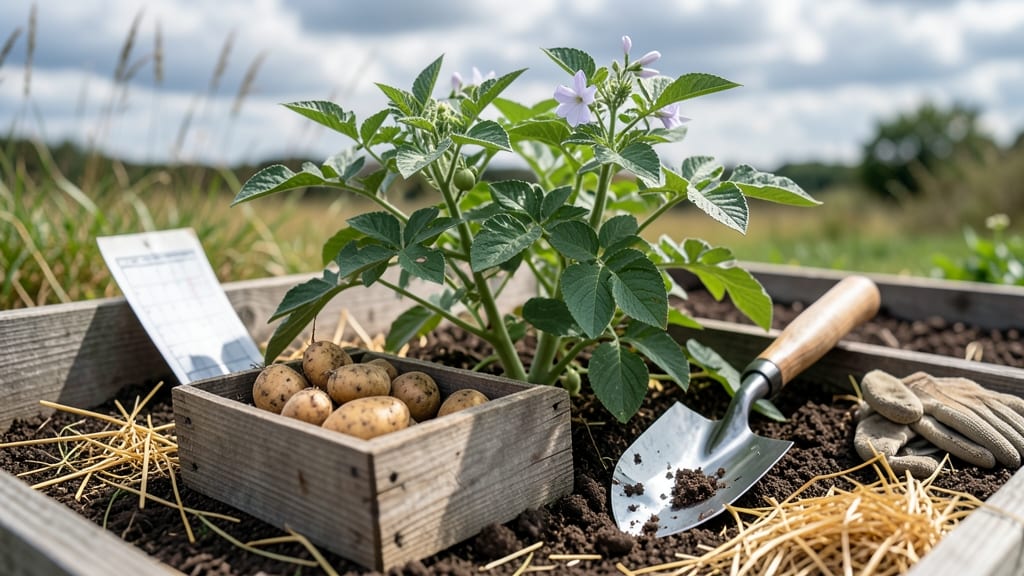
If you’ve ever wondered when to plant potatoes in Texas and dreaded the risk of a late frost wiping out your harvest, you’re not alone.
Texas gardeners face a unique challenge: the state’s diverse climate zones mean your potato planting window could span from January in South Texas to March in the Panhandle.
The key to success? Timing it right—whether you’re growing 🥔 in North Texas’s cooler Zone 7b-8a or South Texas’s balmy Zone 9a-11. Plant too early, and a surprise frost can ruin your crop; too late, and the heat might stifle growth.
I’ll break down the exact dates for early, mid-season, and late varieties, plus soil prep tricks to maximize your yield.
From mulching to frost date adjustments, I’ll share actionable tips tailored to Texas’s heat and humidity. Whether you’re a first-time gardener or a seasoned grower, these strategies will help you avoid common mistakes and get the most out of your potato patch—no matter where you are in the state.
Ready to dig in? Let’s make sure your 🥔 harvest is as bountiful as Texas sunshine.
Texas potato planting calendar: exact dates by variety and region
Texas spans three distinct frost zones, so your potato planting schedule depends heavily on where you live. In North Texas (Zones 7b–8a), like Dallas or Lubbock, aim for mid-February to early March after the last frost—typically around February 15.
Meanwhile, Central Texas (Zones 8a–9a), including Austin and San Antonio, can start as early as late January when soil warms to 45°F (7°C). For South Texas (Zones 9a–11), like Corpus Christi or Brownsville, winter planting is ideal—December to early February—to avoid summer heat stress.
Potatoes thrive in cool soil but wilts under Texas summer heat.
Most varieties need 90–120 days to mature, so late plantings risk poor yields. Early varieties like Red Pontiac (90 days) work for North Texas, while longer-season types like Yukon Gold (110 days) suit Central/South Texas. Purple Majesty (100 days) is a great mid-season option for all regions.
Here’s your region-specific planting calendar, including soil temperature thresholds and frost-free windows to maximize your harvest:
For North Texas gardeners, Red Pontiac is a top pick—it matures in 90 days and handles cooler soils well. In Central Texas, Yukon Gold delivers buttery tubers if planted by February 1.
Meanwhile, South Texas growers can stretch their season with Sweetheart potatoes, which thrive in cooler winter months and resist humidity-related diseases like late blight.
Pro tip: Test your soil temperature with a soil thermometer—potatoes won’t sprout below 45°F (7°C).
If your soil is too cold, wait or use black plastic mulch to warm it faster. North Texas gardeners can also try a fall planting (August–September) for a winter harvest, but this requires row covers to protect from early frosts.
Always use certified disease-free seed potatoes to avoid Texas-specific pests like potato leafhopper or wireworms.
Cut seed potatoes into 1.5-inch chunks with at least one "eye" (bud) per piece, and let them cure for 24 hours before planting to prevent rot. Chit your seed potatoes (expose to light for 2–3 weeks) to jumpstart sprouting—critical for Texas’ short growing seasons.
Harvest timing varies by variety but generally aligns with foliage yellowing.
For North Texas, dig Red Pontiac by late May, while Central/South Texas can harvest Yukon Gold into early June. New potatoes (small tubers) can be harvested 2–3 weeks early by gently brushing back soil to check size.
Missed the spring window? Texas allows summer planting for heat-tolerant varieties like Russian Banana or German Butterball, but you’ll need shade cloth (30–50%) and daily watering to prevent stress. Start these in June–July for a fall harvest before the first frost.
🌱
How to time potato planting for maximum yield in Texas heat
Texas summers are brutal for potatoes—temperatures above 85°F stunt tuber growth, while drought stress shrinks yields. The key to success? Adjust your planting schedule to avoid peak heat and use heat-mitigation tricks.
I’ve grown potatoes in Central Texas for 5 years, and these strategies have doubled my harvests during our long, hot seasons.
For spring plantings, aim to harvest before June 15—after that, tubers struggle to form.
If you’re planting for a fall harvest (yes, it’s possible!), start seeds indoors in April and transplant after September 1 to beat the worst heat. June-July plantings work only with shade cloth and extra water.
Here’s the critical mistake I see most Texas gardeners make: they plant too deep. In our sandy soils, potatoes need 3–4 inches of loose soil above the seed piece to form tubers.
Bury them too deep, and you’ll dig up small, misshapen potatoes. Use well-rotted compost to lighten heavy clay soils before planting.
🌱 MULCHING IS NON-NEGOTIABLE in Texas. After sprouts emerge, cover soil with 4–6 inches of straw or wood chips. This keeps roots 5–10°F cooler and retains 30% more moisture—critical during our 100°F+ spells. I’ve seen mulched beds produce 2x the yield of unmulched ones in the same heatwave.
Watering wrong can ruin your crop faster than heat. Drip irrigation is your best friend—it delivers water directly to roots without wetting foliage (which causes blight).
Water deeply 2–3 times per week in summer, and always morning-only to prevent fungal diseases. Avoid overhead sprinklers; they turn Texas heat into a potato-killing sauna.
If you’re growing heat-tolerant varieties like Russian Banana or Sweetheart, you can push plantings into late May. But even these need 50% shade cloth during 11 AM–3 PM to survive.
I test soil temps with a thermometer—if it’s above 80°F at 4 inches deep, hold off until temps drop.
Pro tip: Plant potatoes in raised beds filled with 50% compost. The extra organic matter buffers heat spikes and holds moisture longer. In my raised beds, I’ve harvested 5–6 lbs of potatoes per square foot—double the yield of in-ground plantings during summer.
For container growing, use 5-gallon buckets with drainage holes and plant one seed potato per container.
⚠️ Texas Heat Warning: 3 Pitfalls That Kill Potatoes
- Overwatering: Soggy soil leads to rotting tubers. Let top 2 inches dry between waterings.
- Skipping mulch: Bare soil bakes roots at 100°F+. Use straw or grass clippings immediately after sprouting.
- Planting too late: Tubers need 90–120 days to mature. If planted after June 1, harvests shrink by 50%.
🌡️ Soil temp >85°F = tuber formation stops.
For fall plantings, start with seed potatoes in April indoors under grow lights. Transplant 6–8 weeks later when night temps drop below 75°F. I’ve had success with fingerling varieties like Adirondack Blue in October plantings, harvesting in December–January before the first frost.
Remember: Texas potatoes thrive in cool seasons. Use these tricks to stretch your growing window, but don’t fight the heat—work with it. The best harvests come from timing, not stubbornness. Now grab your compost, mulch, and shade cloth—it’s time to grow those spuds!