
Plants
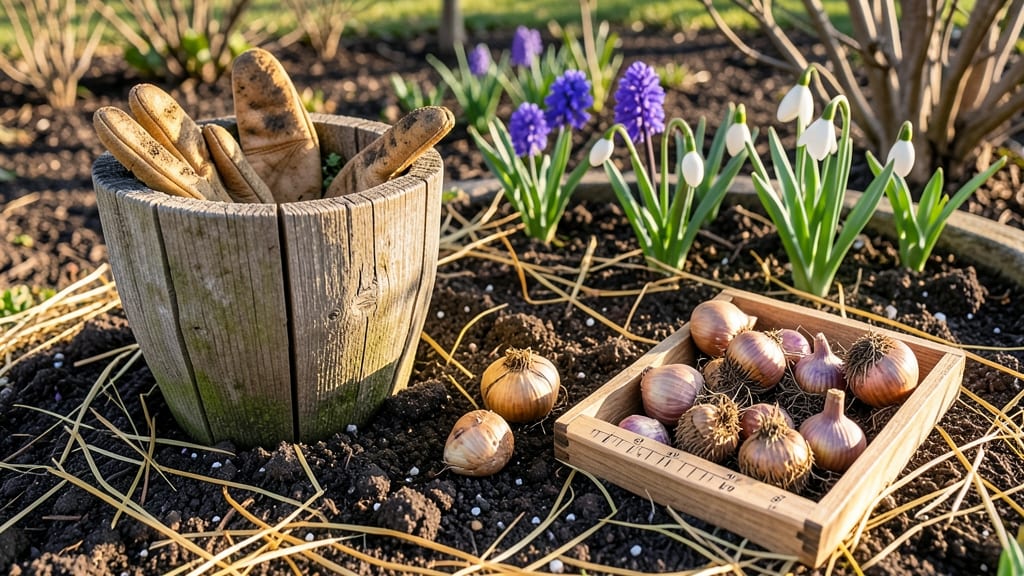
Planting your Bulbs (General) 🌱 at the wrong time in fall could mean waiting years for those dreamy spring blooms—or never seeing them at all.
The key isn't just when you plant, but how you sync it with your local frost dates and soil conditions to give roots the perfect head start.
If you're in Zone 6a (like much of the Midwest), you've got just 6-8 weeks before your first frost to get bulbs in the ground. Miss that window, and winter's chill will stall their growth, leaving you with weak stems or no flowers.
But get it right, and you'll unlock vibrant displays with almost no summer work.
I'll walk you through exactly when to plant in your specific zone, how to tell if your soil's ready, and the 3 critical mistakes that sabotage even the most eager gardeners.
Whether you're a first-timer or a seasoned pro, these tips will ensure your Bulbs (General) 🌱 thrive through winter and burst into color next spring.
Ready to transform your yard? Let's dive into the perfect timing—and why waiting until November might already be too late for your climate.
Fall bulb planting deadlines by USDA hardiness zones
Planting bulbs in fall ensures they establish strong roots before winter dormancy, setting the stage for vibrant spring blooms. But timing varies dramatically by USDA hardiness zone—plant too early, and roots may grow too much before cold; too late, and they won’t root deeply enough.
Here’s your zone-by-zone planting window to avoid these pitfalls.
Most gardeners aim to plant bulbs 6-8 weeks before the first hard frost, but this translates to wildly different months depending on where you live. For example, in Zone 3, you’ll plant in early September, while in Zone 10, you might still be planting in December.
Let’s break it down by zone, including soil temperature thresholds to guide your decisions.
Soil temperature is your best indicator for planting time. Bulbs need 60°F soil to start rooting but can’t tolerate below 40°F for long. Use a soil thermometer to check—if it’s consistently 50°F or warmer during the day, it’s time to plant.
This often aligns with the last average 80°F day in your area.
| USDA Zone | Ideal Planting Window | Soil Temp Threshold | Last-Chance Date | Example Bulbs |
|---|---|---|---|---|
| 3-4 | Early to mid-September | 50-60°F (10-15°C) | October 15 | Tulips, daffodils, crocuses |
| 5-6 | Mid-September to early October | 55-65°F (13-18°C) | November 1 | Hyacinths, alliums, fritillaries |
| 7-8 | October to early November | 60-70°F (16-21°C) | November 15 | Rain lilies, snowdrops, grape hyacinths |
| 9-10 | November to December | 65-75°F (18-24°C) | January 1 (mild winters) | Crinum lilies, nerines, late tulips |
Notice how Zone 3-4 gardeners have a shorter window than those in Zone 9-10? In colder zones, bulbs need to root quickly before the ground freezes, while warmer zones can stretch planting into December.
Pro tip: Early bloomers like crocuses can handle slightly cooler soil, so plant them first if your zone allows.
If you’re unsure about your last frost date, check the USDA Plant Hardiness Zone Map or use a local gardening app like Gardenate. For example, Denver (Zone 5) typically plants by October 15, while Miami (Zone 11) can plant until January.
Always err on the side of planting earlier rather than later—bulbs won’t bloom if they don’t root deeply enough.
For container gardening, extend your planting window by 2-4 weeks. Potted bulbs warm up faster in cold snaps, but move containers to a protected spot (like a garage or under eaves) if frost threatens. Just remember: bulbs in pots need winter mulch to insulate roots.
One common mistake is assuming all bulbs follow the same timeline. Daffodils and alliums are more cold-hardy and can root in cooler soil, while tulips prefer slightly warmer conditions. We’ll dive deeper into these differences in the next section—but for now, use this table as your zone-specific planting guide.
Now that you’ve got your planting deadlines locked in, let’s tackle another critical question: How do you adjust timing for early vs. late bloomers? Spoiler alert—it’s not just about the calendar, but also soil temperature and moon phases. Stay tuned for my next tips!
Fall bulb planting deadlines by USDA hardiness zones
Your USDA hardiness zone is the single most important factor in determining when to plant bulbs in the fall. Bulbs need 6-8 weeks of root growth before the ground freezes—so timing varies dramatically from Zone 3 (Alaska, northern Midwest) to Zone 10 (southern California, Florida).
Plant too early, and roots may rot; too late, and they won’t establish before winter.
Most gardeners in Zones 4-7 (the bulk of the U.S.) aim for mid-September to mid-October, but exceptions exist. For example, tulips and hyacinths thrive with cooler soil, while daffodils tolerate slightly warmer conditions.
Always check your last frost date—bulbs should go in the ground 4-6 weeks before the first hard freeze.
| Zone | Ideal Planting Window | Soil Temp Threshold | Last-Chance Date |
|---|---|---|---|
| 3-4 | Late August–early September | 50–55°F (10–13°C) | Mid-October |
| 5-6 | Mid-September–mid-October | 55–60°F (13–16°C) | Early November |
| 7-8 | October–early November | 60–65°F (16–18°C) | Mid-December |
| 9-10 | November–January | 65–70°F (18–21°C) | Early February |
Pro tip: Use a soil thermometer to confirm readiness. Bulbs need 40–60°F soil (4–16°C) for optimal root growth. If your soil feels like warm mashed potatoes, wait 2 weeks—overheated soil can scorch delicate roots. For Zones 9-10, plant in November or even December to avoid summer heat stress.
Don’t overlook microclimates—a north-facing bed stays cooler longer than a south-facing one. If your garden has hot, dry summers, prioritize shade-tolerant bulbs like grape hyacinths or woodland crocuses, which handle warmer soil better than tulips. Always plant daffodils first—they’re deer-resistant and less prone to rodent damage.
Even in mild zones, early fall planting (August–early September) gives bulbs a head start. For example, in Zone 7, I plant tulips in late September but crocuses as early as August—they bloom sooner and naturalize faster.
Just remember: soil prep matters more than the calendar. Amend heavy clay with compost or sand to improve drainage, and avoid fresh manure—it can burn roots.
Finally, don’t stress about moon phases—while some gardeners swear by planting under a waxing moon, science shows soil temperature and moisture matter far more. Focus on consistent watering after planting (1 inch per week) and mulching with straw or leaves to protect bulbs from freeze-thaw cycles.
With the right timing, your bulbs will reward you with bold spring blooms year after year. 🌱