
Plants
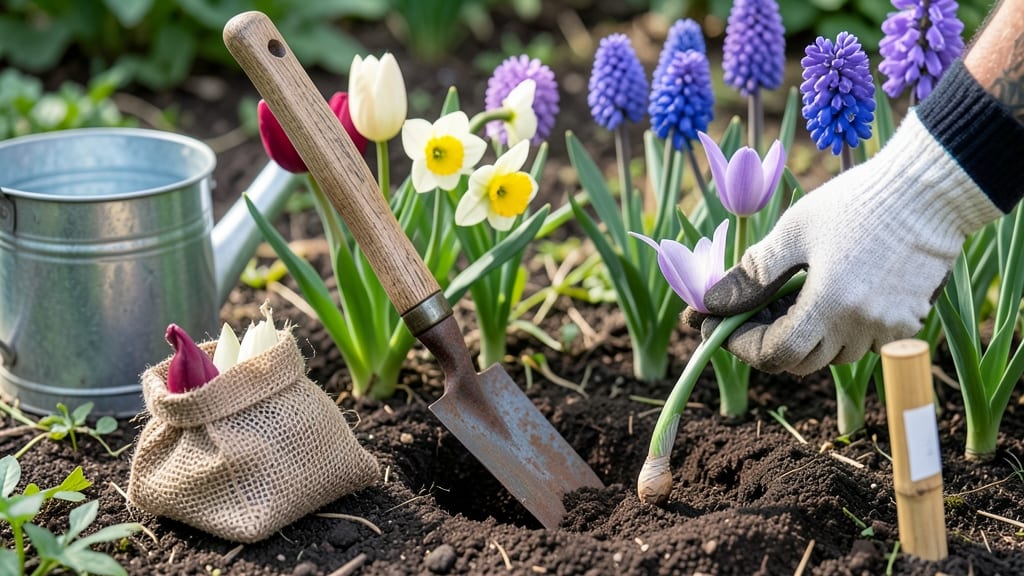
Planting bulbs at the wrong time in South Carolina can mean the difference between a stunning spring display and a total flop—especially in zones 7b-8a, where frost dates shift yearly.
The key to zero-frost blooms lies in understanding your local microclimate, whether you're in the coastal Lowcountry or the Piedmont hills.
I’ve learned the hard way that rushing bulbs into the ground too early or waiting too long can leave them vulnerable to rot or frost damage. But with the right timing—typically October through November for fall planting—you’ll set your 🌱 bulbs up for vibrant blooms by next spring.
Let’s break down exactly when to plant for your specific corner of the state.
South Carolina’s mild winters give you a longer window than many northern gardeners, but that doesn’t mean you can slack off on prep. From soil temperature checks to adjusting for early frosts, these small details make all the difference.
I’ll walk you through the exact steps to ensure your bulbs thrive, whether you’re planting daffodils, tulips, or crocuses.
Ready to avoid common mistakes like overwatering or planting too shallow? Stick around—I’ll share the pro tips that keep my garden bursting with color year after year, no matter what zone you’re in. Let’s get those bulbs in the ground the right way!
Optimal planting months for South Carolina bulbs by season
Timing your bulb planting in South Carolina means balancing frost dates with soil temperatures—both critical for root establishment. Most spring-flowering bulbs (like tulips and daffodils) need to be in the ground 6-8 weeks before the first frost, typically by mid-October.
Fall-flowering bulbs (such as crocuses and fall daffodils) go in late summer to early fall, around August-September.
In Zone 7b (e.g., Charleston), the average first frost hits November 15-20, so aim to plant by October 1. For Zone 8a (e.g., Greenville), where frosts are later (December 1-15), extend your window to November 1-15.
Miss the deadline? Don’t panic—December plantings can still work if the ground isn’t frozen.
The key is soil temperature. Bulbs need 60°F soil to start rooting. In SC, this happens by mid-September in most areas. Use a soil thermometer to check—plant when temps drop below 70°F but stay above 50°F.
Pro tip: Cooler coastal areas (like Hilton Head) may need earlier plantings (September) due to slower soil cooling.
Spring planting is possible for hardy bulbs like crocuses or snowdrops, but results are hit-or-miss. Plant in February only if you’re okay with smaller blooms or delayed flowering. For best results, stick to fall planting—it’s what bulbs evolved for!
Here’s a quick SC-specific rule of thumb: Plant spring bulbs when your mums are in peak bloom (usually late September-October). This aligns with ideal soil temps. For fall bulbs, time it with early Labor Day (around September 1) for a head start.
🌱 Pro Tip: If you’re unsure about frost dates, check your local Cooperative Extension Service (e.g., Clemson or USC) for updated frost-free zone maps. They adjust yearly based on climate shifts!
🌱 Comparison Table: South Carolina Bulb Planting by Season
| Bulb Type | Planting Window | Depth | Soil Temp Goal | SC-Specific Notes |
|---|---|---|---|---|
| Spring-Flowering (Tulips, Daffodils) | Late Sept - Mid-Nov | 6-8 inches | 50-60°F | Zone 7b: Plant by Oct 15; Zone 8a: Extend to Nov 15 |
| Fall-Flowering (Crocuses, Fall Daffodils) | Aug - Early Sept | 3-4 inches | 60-70°F | Coastal areas: Plant by Aug 15 to avoid humidity stress |
| Summer-Blooming (Dahlias, Cannas) | April - May | 4-6 inches | 65°F+ | Wait until soil warms; mulch after planting |
| Year-Round (Daylilies, Irises) | Spring or Fall | 2-3 inches | 55-65°F | Best in Piedmont; avoid waterlogged coastal soils |
For coastal SC (e.g., Myrtle Beach), humidity can stress bulbs, so plant fall bulbs early (August) and use sandier soil mixes to improve drainage.
Inland areas like Upstate can plant later (October-November) thanks to drier conditions. Always amend clay soils with compost or pine fines to prevent rot.
🌿 Key Reminder: Dormant bulbs (like tulips) can handle light frosts after planting, but avoid freezing soil. If temps drop below 20°F, add 3 inches of mulch (straw or pine straw) for protection. This is especially critical in Zone 7b winters.
Don’t overlook bulb variety when planning. Daffodils and
Optimal planting months for South Carolina bulbs by season
South Carolina’s USDA Zones 7b-8a offer a unique planting window for bulbs, where fall-planted varieties bloom in spring, while late summer plantings deliver autumn color. The key is timing: plant 6-8 weeks before the first frost (typically mid-November) to ensure roots establish before winter.
For spring-blooming bulbs like tulips and daffodils, aim for October to early November—this gives them time to grow roots before dormancy.
Fall-flowering bulbs, such as crocuses and fall daffodils, need a different approach. Plant these in late summer (August-September) to allow roots to develop before cooler weather. In Zone 8a, where winters are milder, you can extend planting into early December for hardier varieties like alliums or fritillaries.
Always check your local frost-free dates—coastal areas (e.g., Charleston) may have 2-3 weeks later deadlines than inland regions (e.g., Greenville).
| Bulb Type | Ideal Planting Month | Frost Deadline | Notes for SC |
|---|---|---|---|
| Spring-Blooming (Tulips, Daffodils) | October–Early November | Before mid-November | Plant deeper (8") in clay soil |
| Fall-Blooming (Crocuses, Fall Daffodils) | Late August–September | Before Labor Day | Shade-tolerant; great for borders |
| Hardy Perennials (Alliums, Fritillaries) | October–Early December | Up to Christmas | Drought-tolerant; full sun |
Don’t wait until November to plant—soil temperatures drop faster than you think. Test your soil’s readiness by pushing a trowel into the ground; if it’s still workable (not muddy), you’re good to go. For Zone 7b areas like Upstate SC, prioritize October plantings to avoid early frosts.
In Zone 8a (e.g., Hilton Head), you can push to mid-December for varieties like paperwhite narcissus, which thrive in warmer microclimates.
Pro tip: Use a planting calendar or set reminders for 6-8 weeks before your area’s first frost. SC’s humid climate can delay freezing, but don’t gamble—late plantings often result in weak blooms or no flowers at all.
For example, tulips planted in December may not bloom until late spring (if at all) due to insufficient root growth. Always amend soil with compost before planting to improve drainage, especially in heavy clay soils common in the Piedmont region.
If you miss the fall window, don’t despair—many bulbs (like caladiums or canas) can be planted in early spring (February-March) for summer blooms. However, these won’t naturalize like fall-planted varieties.
For best results, stick to the fall timeline and focus on spring-blooming bulbs, which reward patience with bold, early-season color that brightens SC gardens after winter’s dullness.
Remember, bulbs need chill hours to bloom—even in mild Zone 8a. Most varieties require 4-8 weeks below 50°F to trigger flowering. If your winter is too warm (e.g., coastal SC), choose chill-tolerant varieties like daffodils or grape hyacinths, which adapt better to shorter cold snaps. 🌱