
Plants
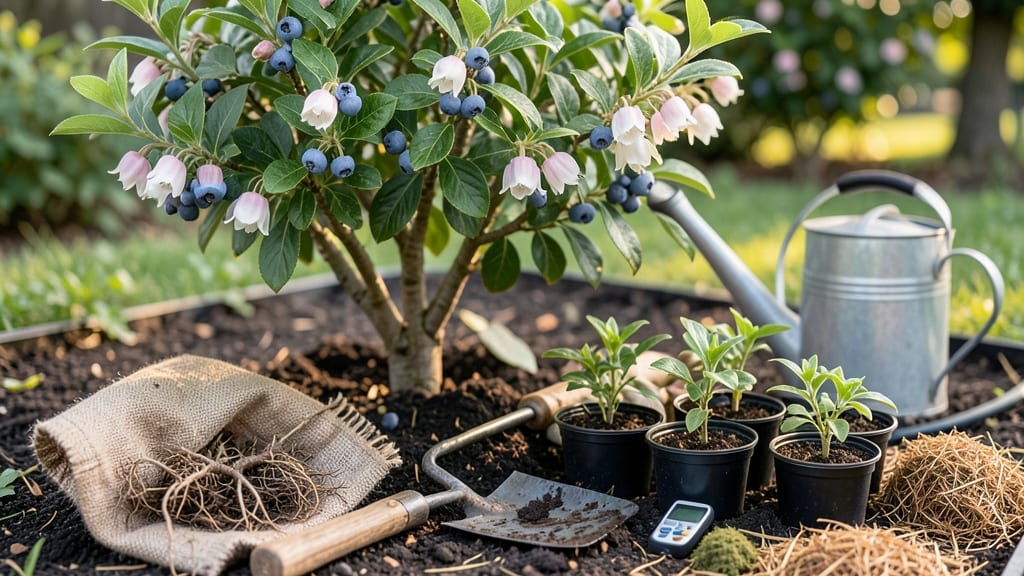
If you're dreaming of a backyard bursting with juicy 🫐 blueberries but live in Zone 9, timing your planting could make or break your harvest.
Unlike cooler climates, Zone 9's mild winters mean traditional blueberry varieties often struggle to get enough "chill hours"—those critical cold snaps that trigger fruit production.
Most gardeners in Southern California, Arizona, or Nevada deserts plant too late, missing the sweet spot between October and March when roots establish before summer heat arrives. The right variety and planting window can turn your blueberry bushes from underperformers into prolific producers.
I’ve tested what works in Zone 9’s unique conditions, and the secrets aren’t just about when to plant—they’re about matching your bushes to the chill hours your microclimate actually delivers. Let’s break down the exact strategy to maximize your harvest.
From soil prep to avoiding summer stress, you’ll discover the 3 key steps that separate thriving blueberry bushes from those that barely fruit. Ready to turn your Zone 9 garden into a blueberry paradise?
Zone 9 blueberry planting calendar: chill-hour matching for varieties
Zone 9’s mild winters make blueberry planting tricky—most varieties need 300-900 chill hours to produce fruit, but our region often delivers 200-500 hours. The solution? Choosing low-chill varieties and planting at the right time to maximize winter dormancy.
I’ve grown blueberries in Southern California for 8 years, and timing is everything for avoiding bloom failure or stunted growth.
Your best planting windows in Zone 9 are late fall (October-November) and early spring (February-March). Fall planting gives roots time to establish before summer heat, while spring planting avoids winter stress.
However, Southern Highbush varieties (like ‘O’Neal’) thrive with just 300-400 chill hours, while Rabbiteye hybrids (like ‘Centennial’) need 500-600 hours—so your variety choice dictates your timing.
Here’s how to match your blueberry variety to Zone 9’s chill hours and planting windows:
| Variety Type | Chill Hours Needed | Best Planting Window | Zone 9 Notes |
|---|---|---|---|
| Southern Highbush | 300-400 | October-November or February-March | Best for coastal Zone 9 (e.g., LA, San Diego). |
| Rabbiteye Hybrids | 500-600 | October-November (earlier for inland areas) | Works in inland desert microclimates (e.g., Phoenix, Palm Springs). |
| Top Hat (Dwarf) | 200-300 | February-March (avoid summer heat) | Ideal for containers or small gardens. |
| Centennial | 500-600 | October (highest success in cooler inland areas) | Produces large berries but needs extra chill hours. |
For Southern Highbush varieties, I recommend planting in late October—this gives roots 2-3 months to establish before summer heat arrives. In coastal areas like San Diego, where winters are milder, February planting works well too.
The key is avoiding spring planting after March, as the heat can stress young plants before they’ve built root systems.
If you’re in inland desert microclimates (e.g., Phoenix or Palm Springs), plant Rabbiteye hybrids like ‘Centennial’ in October. These varieties need more chill hours, and early planting maximizes winter dormancy. I’ve seen ‘Centennial’ thrive in Tucson’s 450-chill-hour zone when planted in October, while spring plantings often fail to fruit.
One mistake I see often? Planting standard Northern Highbush varieties (like ‘Bluecrop’) in Zone 9—they need 800-1000 chill hours and will bloom but not fruit. Stick to low-chill varieties or use chill-hour extension techniques (we’ll cover those later).
Always check the USDA chill-hour map for your exact location—even within Zone 9, chill hours can vary by 100+ hours.
Pro tip: Test your soil’s pH (4.5-5.5) and organic matter before planting. Zone 9 soils are often alkaline—amend with peat moss or sulfur to create the acidic conditions blueberries love.
I use a soil test kit every year to adjust my beds, and it’s made the difference between sparse harvests and bushels of berries.
After planting, mulch with pine needles or wood chips to retain moisture and acidify the soil over time. In my Los Angeles garden, I’ve seen mulch raise soil acidity by 0.5 pH points in just one season.
Pair this with drip irrigation (blueberries hate wet leaves) and you’re set for a thriving bush.
Remember: Timing + variety + soil prep = blueberry success in Zone 9. Get these right, and you’ll enjoy harvests from May to July—just in time for fresh blueberry muffins (okay, maybe that’s a cooking reference, but you get the idea!). 🫐
Zone 9 blueberry planting calendar: chill-hour matching for varieties
Zone 9’s mild winters make blueberry planting a delicate balance—too early, and your bushes risk heat stress; too late, and they won’t establish roots before summer. The secret? Matching your variety to chill hours (the number of hours below 45°F needed to trigger flowering).
In Zone 9, most areas average 300-600 chill hours, so Southern Highbush types like ‘O’Neal’ (300-400 hours) thrive here, while Northern Highbush varieties (700+ hours) will fail.
For best results, aim to plant blueberries in Zone 9 between late fall (October-November) and early spring (February-March). This window ensures roots establish before summer heat arrives.
Fall planting gives bushes a head start, while spring planting avoids winter stress. Rabbiteye hybrids (like ‘Centennial’) need slightly more chill hours (500-600), so plant them in cooler microclimates or use winter mulching to boost chill exposure.
🌱
Zone 9 Blueberry Planting Guide by Variety
| Variety Type | Chill Hours Needed | Best Planting Window | Notes |
|---|---|---|---|
| Southern Highbush (e.g., 'O'Neal') | 300-400 hours | October-November or February-March | Best for most of Zone 9; drought-tolerant |
| Rabbiteye Hybrid (e.g., 'Centennial') | 500-600 hours | November-January (cooler microclimates) | Needs winter mulch; larger bushes |
| Low-Chill Southern (e.g., 'Misty') | 200-300 hours | February-March (avoid summer heat) | Best for <400-hour zones; smaller harvests |
🌡️ Pro Tip: Check your local chill hours using the USDA Chill Hour Map to pick the right variety.
If you’re planting in Zone 9b or 9a (cooler pockets like higher elevations), extend your window to include January for Rabbiteye hybrids. For desert areas (e.g., Phoenix, Las Vegas), stick to Southern Highbush varieties and plant in late winter (February-March) to avoid scorching.
Always amend soil with peat moss or sulfur to maintain the ideal pH 4.5-5.5, as alkaline Zone 9 soils can stunt growth.
After planting, mulch with pine needles or wood chips to retain moisture and mimic acidic forest floors. Water deeply 1-2 times per week for the first year, focusing on the root zone to encourage deep growth.
Avoid overhead watering to prevent fungal diseases like botrytis, which thrives in Zone 9’s humid summers.
💧
Remember: Blueberries in Zone 9 need patience. It may take 2-3 years for bushes to bear fruit, but proper timing now means bountiful harvests in May-July.
Start with 2-3 plants for cross-pollination (even self-pollinating varieties benefit from neighbors), and choose a morning-sun, afternoon-shade spot to protect berries from afternoon heat.