
Plants
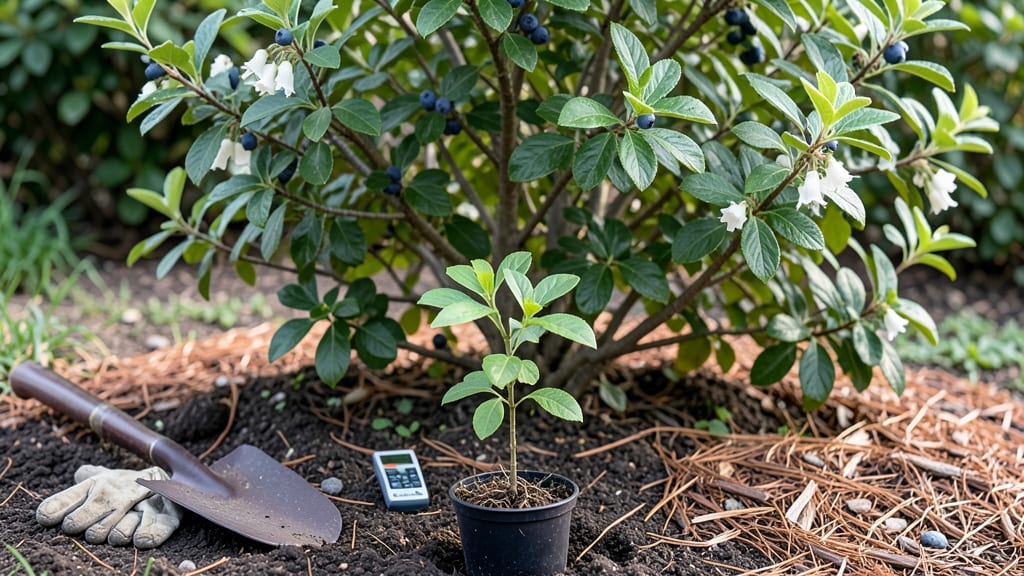
Timing your Blueberry Bush 🫐 planting in North Carolina isn't just about the calendar—it's about matching your variety to the region's chill-hour demands and frost patterns.
Plant too early, and you risk exposing tender roots to late frosts; too late, and your bushes may struggle to establish before summer heat sets in.
North Carolina's USDA zones 6a to 8b create a unique challenge, where Southern Highbush varieties thrive in the coastal plains while Rabbiteye types dominate the Piedmont. The key? Understanding your specific microclimate's last frost dates—typically around March 15 in the mountains but as late as April 1 near the coast.
I've helped gardeners across the state avoid costly mistakes by focusing on the late winter to early spring window (February through April) when soil temperatures rise just enough to encourage root growth.
This period gives your bushes the 60-90 days they need to establish strong roots before summer's intense heat arrives.
Let me show you exactly how to align your planting schedule with your blueberry variety's chill-hour needs—so you can enjoy that first harvest of plump, juicy berries between May and July. The difference between a thriving bush and a struggling one often comes down to these critical timing decisions.
Best planting months for blueberry bushes in NC based on chill-hour needs
North Carolina’s diverse climate—from the Coastal Plain to the Mountains—means blueberry planting timing varies dramatically. The key? Matching your variety’s chill-hour needs to your microclimate.
Southern Highbush types thrive in 300–600 chill hours, while Rabbiteyes need 700–900 hours. Planting outside these windows risks stunted growth or no fruit.
For most of NC, late winter to early spring (February–April) is ideal. This window lets roots establish before summer heat arrives.
In the Mountains (USDA Zone 6a), you can plant as early as February 15, while the Coastal Plain (Zone 8a) waits until March 15 to avoid early frost damage.
Soil temperature matters too. Roots won’t grow well in cold, wet soil. Aim for 40–50°F soil temps—use a soil thermometer to check. In Piedmont regions (Zone 7a–7b), this typically aligns with mid-March planting.
🌱
| Variety | Chill-Hour Needs | Best NC Planting Window | Soil Temp Threshold | Microclimate Fit |
|---|---|---|---|---|
| Southern Highbush | 300–600 hours | March 1–April 15 | 40–50°F | Coastal Plain, Piedmont |
| Rabbiteye | 700–900 hours | February 15–March 15 | 45–55°F | Mountains, Piedmont |
| Half-High | 500–700 hours | March 1–April 1 | 40–50°F | Piedmont, Coastal Plain |
Fall planting (October–November) is risky in NC unless you’re in the Mountains, where early frosts arrive sooner. Bare-root bushes planted in fall may not establish roots before dormancy. If you must plant in fall, do so 6–8 weeks before first frost and mulch heavily to protect roots.
Pro tip: Use mulch (3–4 inches) after planting to retain moisture and regulate soil temps. Pine straw or wood chips work best—they’re acidic and mimic blueberries’ natural forest floor habitat.
In Zone 8a (Coastal NC), avoid planting after April 15. Heat and humidity can stress young plants before they’re established. Instead, focus on soil prep in winter—amend with peat moss or sulfur to lower pH to 4.5–5.5.
🌿
Container growing? Plant 1–2 weeks earlier than in-ground bushes. Pots warm up faster in spring, giving you a head start. Just ensure containers have drainage holes and use a well-draining acidic mix.
Finally, check your last frost date—planting too early risks frost damage. Use the NC State Extension’s frost map to pinpoint your exact window. For most of NC, March 15–April 15 is your safest bet for a thriving harvest.
☀️
Best planting months for blueberry bushes in NC based on chill-hour needs
North Carolina’s diverse climate—from the Coastal Plain to the Mountains—means blueberry planting windows vary dramatically.
While most gardeners aim for late winter to early spring, your chill-hour requirements and local frost dates dictate the perfect moment. Southern Highbush varieties thrive with 300–500 chill hours, while Rabbiteye types need 700–900 hours.
In the Piedmont region, where last frost averages March 15, plant bare-root bushes in February or early March. Coastal areas (like Wilmington) can wait until mid-March due to milder winters, while mountain zones (Asheville) benefit from late February planting to avoid early spring thaws.
| Region | Chill-Hour Range | Best Planting Window | Soil Prep Tip |
|---|---|---|---|
| Coastal Plain | 300–400 hrs | Mid-March to April | Add peat moss to sandy soils |
| Piedmont | 400–600 hrs | Late February–March 15 | Test pH (4.5–5.5) |
| Mountains | 600–900 hrs | Late February–early March | Mulch heavily for winter |
For container-grown bushes, extend your window to May—just ensure roots stay moist. Avoid planting in fall unless you’re in Zone 7b+, where mild winters allow October planting for root establishment before dormancy.
Watch for soil temperature thresholds: Roots need 40°F+ to establish. Use a soil thermometer in cooler zones. In Asheville, for example, wait until soil warms to 45°F to prevent root rot.
Pro tip: Bare-root bushes planted in February yield faster than container-grown ones. Soak roots for 2–4 hours before planting to revive dormant tissue. 🌱
After planting, mulch with pine needles (1–2 inches) to retain moisture and acidify soil naturally. This mimics blueberries’ native bog habitats and cuts watering needs by 30%. ☀️