
Plants
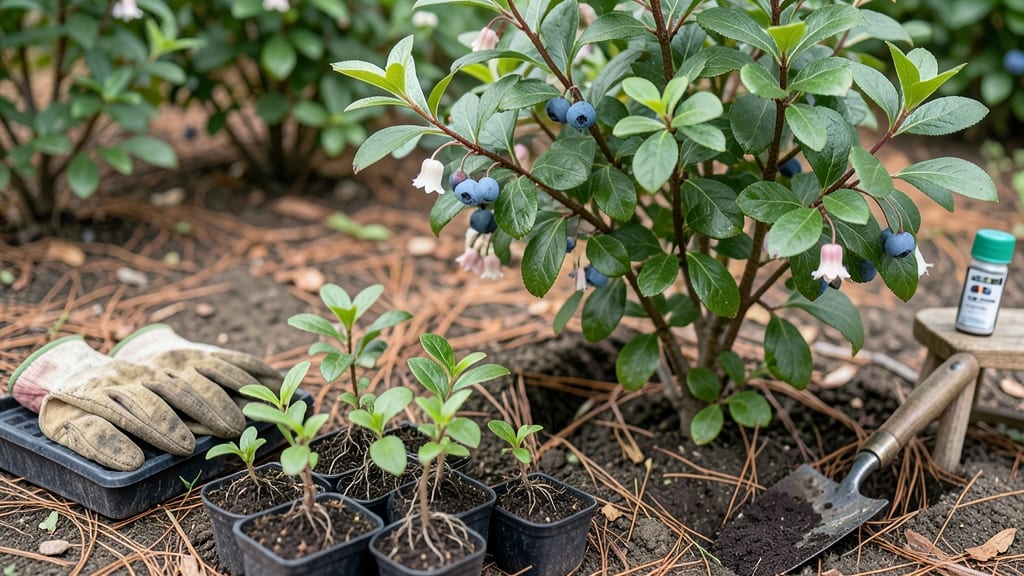
When to plant blueberries in Zone 8 makes all the difference between a thriving 🫐 bush and one that struggles to produce fruit. Unlike cooler climates, Zone 8’s mild winters mean your blueberries need precise timing to meet their chill-hour requirements—usually between 300 and 900 hours—while avoiding late frosts that can damage new growth.
Most gardeners in Zone 8 swear by planting in late winter to early spring (February–March), when the soil is workable but frost risks have passed.
This window gives your bushes time to establish roots before summer heat sets in, especially if you’re in inland areas where temperatures spike faster than coastal regions.
But here’s the catch: if you’re in a warmer microclimate (like Southern California), you might need to opt for low-chill varieties or even plant in fall for a head start.
I’ll break down the exact steps—from soil prep to watering schedules—to ensure your blueberries not only survive but thrive in Zone 8’s unique climate.
Ready to grow juicy, homegrown blueberries? Let’s dive into the timing tricks that’ll have your bushes bursting with fruit by late spring.
Zone 8 blueberry planting timeline: chill-hours & frost-free dates explained
Zone 8 presents unique challenges for growing blueberries, primarily due to its mild winters and limited chill-hours. Most blueberry varieties need 300-900 chill-hours (temperatures between 32-45°F) to fruit properly. Without enough cold exposure, your bushes may produce fewer berries or none at all.
The key is planting at the right time—when the soil is workable but the risk of hard frost has passed.
In Zone 8, the ideal planting window is late winter to early spring, specifically between February and March. This timing allows roots to establish before the summer heat arrives.
However, coastal areas (like Southern California) may have earlier frost-free dates (as early as January), while inland regions (like Texas Hill Country) might delay planting until March or even April.
Here’s how to determine your local frost dates: Check the USDA Plant Hardiness Zone Map for your exact location, then consult your local cooperative extension service for last frost dates.
For most of Zone 8, aim to plant 4-6 weeks before your last frost date—typically by March 1st. If you miss this window, fall planting (September-October) is a second-best option, giving roots time to establish before winter.
| Stage | Action | Notes |
|---|---|---|
| Late Winter (Feb) | Prepare soil (pH 4.5-5.5) | Amend with peat moss or sulfur if needed. |
| Early Spring (Mar) | Plant bare-root or container-grown bushes | Space 4-6 ft apart; mulch heavily. |
| Spring (Apr-May) | Water deeply (1-1.5L/plant) | Keep soil moist but not soggy. |
| Summer (Jun-Aug) | Fertilize lightly (10-10-10) | Avoid over-fertilizing; focus on mulch. |
| Fall (Sep-Oct) | Prune dead wood; mulch for winter | Protect from early frosts if needed. |
If you’re in a coastal Zone 8 (e.g., Southern California), you’ll have earlier planting opportunities—sometimes as early as January. Inland areas (e.g., Arizona or Texas) may need to wait until March or April to avoid late frosts.
Always check your local microclimate: Urban areas can be 5-10°F warmer than rural zones, affecting chill-hour accumulation.
For bare-root blueberries, plant as soon as the soil is workable (usually February-March in most of Zone 8). Soak roots in water for 1-2 hours before planting to reduce transplant shock.
Container-grown bushes can be planted slightly later (up to April) since their roots are already established. Just be sure to water thoroughly after planting to help roots acclimate.
One critical mistake in Zone 8 is planting too early. If you plant in January in inland areas, a late frost could kill young plants. Conversely, planting too late (after April) may stress bushes during summer heat, slowing their establishment.
Aim for that sweet spot between frost risk and heat stress—typically late February to early March.
After planting, mulch heavily (3-4 inches of pine straw or wood chips) to retain moisture and regulate soil temperature. In hot inland Zone 8 areas, mulch also protects roots from heat stress.
If you’re in a cooler coastal zone, focus on protecting bushes from winter winds instead. Both strategies ensure your blueberries thrive despite Zone 8’s challenging climate.
Pro tip: If your Zone 8 winters are too warm (fewer than 300 chill-hours), choose low-chill varieties like 'Emerald' or 'O’Neal'. These varieties can fruit with as few as 200-300 chill-hours, making them ideal for Southern California or Arizona.
Pair them with winter chilling techniques (like temporary shade cloth) to boost chill-hour exposure.
With the right timing and care, your Zone 8 blueberries will reward you with juicy, homegrown berries year after year—no matter how mild your winters. Start with the chill-hour requirements of your chosen variety, then align planting with your local frost dates.
Soon, you’ll be harvesting sweet, plump blueberries that taste even better than store-bought! 🫐
Zone 8 blueberry planting timeline: chill-hours & frost-free dates explained
Zone 8’s mild winters make blueberry planting a delicate balance—too early, and frost zaps tender roots; too late, and heat stress stunts growth.
Most blueberries need 300-900 chill-hours (below 45°F), but Zone 8’s winters often provide fewer than 500 hours, forcing us to choose low-chill varieties and precise timing.
Your last frost date (typically mid-February) signals the start of the planting window. However, coastal areas may experience frost-free conditions by January 15, while inland regions could see late frosts until March 1.
Always check your local microclimate—urban heat islands or high elevations can shift these dates by weeks.
📅 Planting Window: Aim for February 15 to March 15 in most of Zone 8. This gives roots time to establish before summer heat arrives. Bare-root plants (dormant) can also be planted in late fall (November), but only if your area has mild winters (e.g., coastal California).
| Stage | Action | Notes |
|---|---|---|
| Late Winter (Feb 15–Mar 15) | Plant container-grown or bare-root bushes | Soil temp ≥40°F; avoid frost-prone areas |
| Spring (Mar–Apr) | Water deeply; mulch with pine needles | Keep soil moist but well-draining |
| Summer (May–Jun) | Fertilize lightly; monitor for pests | Avoid overhead watering to prevent fungus |
| Fall (Nov) | Add 2–3" mulch; prune dead wood | Protect from early frosts with burlap |
If you’re planting in coastal Zone 8 (e.g., Southern California), you might push planting to January—but verify your local frost dates first.
Inland areas (e.g., Arizona, Nevada) should wait until March to avoid heat stress. Container-grown bushes adapt better to timing shifts than bare-root plants, so they’re ideal for Zone 8’s unpredictable microclimates.
Pro tip: Test your soil’s chill-hours by placing a minimum-maximum thermometer in your garden over winter. If you’re under 400 chill-hours, prioritize ‘Peach Sorbet’ or ‘O’Neal’ varieties, which thrive with as few as 200–300 hours. Pair them with a dwarf rootstock to reduce heat exposure.
After planting, mulch heavily with pine straw or wood chips to insulate roots from summer heat. Water deeply once weekly (more in heatwaves) and avoid fertilizing until spring—Zone 8’s warm soil can cause root burn if over-fertilized too soon. 🌱