
Plants
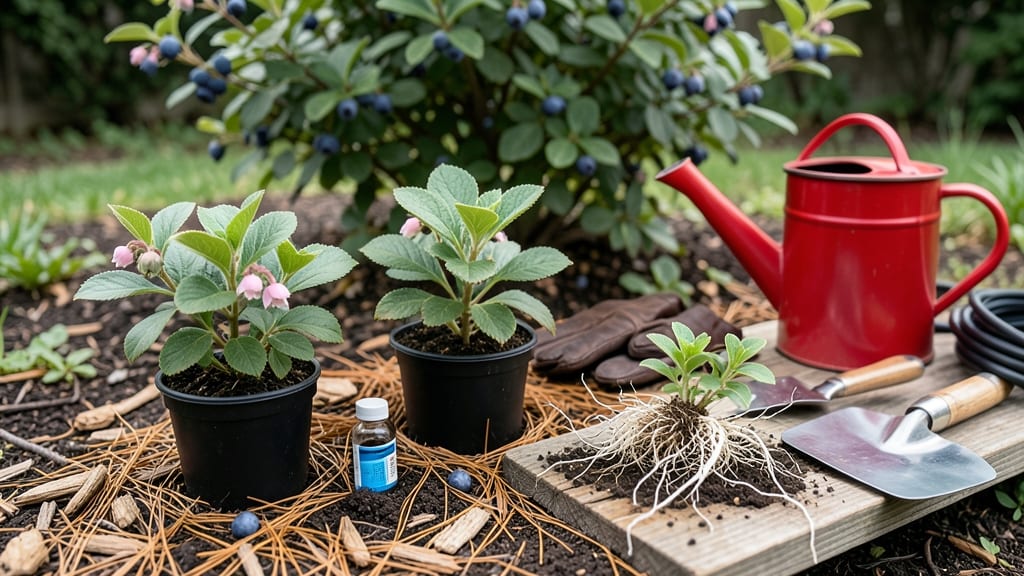
If you’ve ever dreamed of planting blueberries in Zone 8b and wondered when to plant blueberries in zone 8b for the best results, you’re not alone.
The key to thriving blueberry bushes lies in planting them at the perfect time—when chill hours align with your local frost patterns and soil stays workable.
Planting too early risks frost damage, while waiting too long means missing the critical window for root establishment. In Zone 8b, where winters are mild but summers can be brutal, timing becomes the game-changer between a bountiful harvest and a struggling bush.
I’ll break down the exact months to plant—whether you’re working with bare-root or containerized blueberries—and how to adjust for your specific microclimate. From Southern California’s coastal breezes to Georgia’s humid heat, these tips ensure your bushes get off to the right start.
Plus, I’ll share my top strategies for soil prep, mulching, and post-planting care to keep your blueberries happy year-round. Ready to turn your garden into a berry paradise? Let’s get started.
Optimal planting windows for blueberries in Zone 8b based on chill hours
In Zone 8b, where winters are mild, timing your blueberry planting around chill hours (hours below 45°F) is critical. Most blueberries need 300-900 chill hours—too few, and they won’t fruit. Southern Highbush varieties (300-500 hours) thrive here, while Rabbiteye (500-900 hours) may struggle unless you choose low-chill cultivars.
Your best planting windows in Zone 8b are late fall (October-November) or early spring (February-March). Fall planting gives roots time to establish before summer heat, while spring planting avoids winter stress. Both work, but fall is often preferred for bare-root plants.
Here’s the key: Plant when soil temps are below 60°F but frost isn’t imminent. In most of Zone 8b, this means October 15–November 15 for fall or February 1–March 15 for spring. Check your local frost dates—some areas (like Southern California) can plant as late as December.
| Planting Window | Best For | Chill Hours Needed | Soil Temp | Frost Risk |
|---|---|---|---|---|
| Late Fall (Oct 15–Nov 15) | Bare-root plants, Southern Highbush | 300–500 hours | Below 60°F | Low (after Nov 1) |
| Early Spring (Feb 1–Mar 15) | Containerized plants, Rabbiteye (low-chill) | 500–700 hours | Above 45°F | Moderate (before Mar 1) |
| Winter (Dec 1–Jan 15) | Drought-prone areas (e.g., SoCal) | 300–400 hours | 40–50°F | High (varies by region) |
If you’re unsure about your chill hours, use a home weather station or check local agricultural extension data. For example, Atlanta, GA averages 500–600 chill hours, while Los Angeles, CA may only hit 300–400. Adjust by choosing varieties like 'Peach Sorbet' (300 hours) for milder areas.
For bare-root plants, plant immediately after purchase to prevent root drying. Soak roots in water for 1–2 hours before planting. Containerized plants can wait until soil is workable, but don’t let roots circle the pot—prune them if needed.
After planting, mulch with pine needles or peat moss to maintain acidity and retain moisture. Water deeply 1–2 times per week for the first month, then taper to weekly deep watering once established. Avoid overhead watering to prevent fungal diseases like botrytis.
Pro tip: In Zone 8b’s warm winters, blueberries may leaf out too early, risking frost damage. If temps dip below 28°F, cover young plants with burlap or frost cloth. This is especially critical for spring-planted bushes.
Remember, blueberries in Zone 8b need full sun (6+ hours) and acidic soil (pH 4.5–5.5). Test your soil before planting—amend with sulfur or peat moss if needed. With the right timing and care, your bushes will reward you with harvests in 2–3 years!
Optimal planting windows for blueberries in Zone 8b based on chill hours
Zone 8b’s mild winters make blueberry planting tricky—your bushes need 300-900 chill hours (below 45°F) to fruit properly. Plant too early, and roots struggle in warm soil; too late, and they miss dormancy cues.
For Southern Highbush varieties (like 'Peach Sorbet'), aim for late fall (November) to early spring (February) when soil temps drop below 60°F. Rabbiteye types (like 'Climax') tolerate slightly warmer winters but still need 600+ chill hours—plant them in late winter (February-March) to avoid heat stress.
Your local chill hours determine the perfect window. Check your last frost date (typically January 15 in Zone 8b) and plant 4-6 weeks before to let roots establish before buds break. For example, in Southern California, plant in November-December; in Georgia, stretch to February.
Bare-root plants need moist but not soggy soil, while containerized ones can handle slightly warmer conditions.
🌱 Blueberry Planting Windows by Variety & Season
| Variety Type | Chill Hours Needed | Best Planting Window | Soil Temp Threshold | Frost Risk |
|---|---|---|---|---|
| Southern Highbush (e.g., 'Peach Sorbet') | 300-500 hrs | Late Nov–Feb | Below 60°F | Low (Zone 8b) |
| Rabbiteye (e.g., 'Climax') | 600-900 hrs | Feb–March | Below 50°F | Moderate |
| Half-High (e.g., 'Premier') | 400-600 hrs | Jan–Feb | Below 55°F | Low-Moderate |
💡 Pro Tip: Use a soil thermometer to confirm temps—plant when soil is 50-60°F for best root growth.
Spring planting (March-April) is riskier in Zone 8b because warm soil can stress roots. If you must plant then, choose containerized plants (they adapt faster) and mulch heavily with pine needles or wood chips to keep roots cool.
Avoid planting after April 15—your bushes won’t have enough time to establish before summer heat sets in. For urban gardens, container planting in February gives you flexibility to move pots if frost hits unexpectedly.
Watch for false springs—those warm spells in winter that trick buds into blooming too early. If temps drop below 28°F after buds swell, you’ll lose potential fruit. To prevent this, plant dwarf varieties (like 'Top Hat') closer to November-Decemberfrost cloth if forecasts warn of late freezes.
In coastal Zone 8b (e.g., San Diego), chill hours are scarcer—opt for low-chill varieties like 'Southern Snap' and plant in December-January.
After planting, focus on watering deeply 2-3 times per week for the first month to encourage root spread. Use rain gauges to track moisture—blueberries hate soggy soil but also wilting. In hotter microclimates (like Phoenix), drip irrigation with mulch rings keeps roots cool and hydrated.
Avoid overhead watering, which can spread fungal diseases like botrytis. By June, your bushes should show new growth—a sign they’ve adapted to Zone 8b’s climate!
Timing your blueberry planting in Zone 8b isn’t just about the calendar—it’s about matching chill hours, soil temps, and frost risks. With the right variety and window, you’ll set your bushes up for years of sweet harvests.
Start with 'Peach Sorbet' for low-chill areas or 'Climax' if you get 600+ hours—and always plant when soil is cool but not frozen. Happy growing! 🫐