
Plants
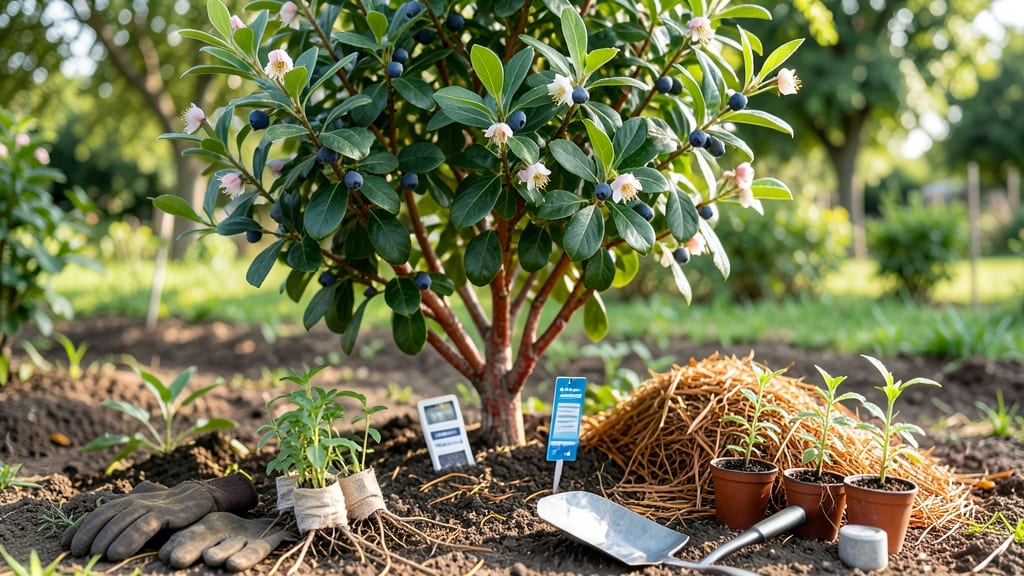
If you’ve ever wondered why your blueberry bushes 🫐 seem to struggle in Indiana’s unpredictable climate, the answer likely lies in when you plant them. Timing isn’t just about avoiding frost—it’s about giving your bushes the best shot at thriving in Indiana’s unique growing conditions.
Planting too early risks frost damage, while waiting too long can stunt root growth before winter. The ideal windows—late March to early April or September to October—align perfectly with Indiana’s USDA Zone 6a climate, but microclimates in northern vs. southern Indiana can shift those deadlines by weeks.
I’ll break down the exact planting timeline for your region, including soil prep tips to ensure your blueberries take root strong. Whether you’re planting in-ground or containers, these zone-specific deadlines will help you avoid common mistakes and maximize your harvest.
Ready to set your blueberries up for success? Let’s dive into the best months to plant—and why timing makes all the difference in Indiana’s variable weather.
Indiana planting zones and blueberry deadlines by month
Indiana spans USDA Hardiness Zones 5b and 6a, which means your blueberry planting window hinges on avoiding late frosts and heatwaves. Northern Indiana (Zone 5b) has a shorter growing season, while southern Indiana (Zone 6a) enjoys slightly more flexibility.
The key is planting when soil temperatures reach 40°F (4°C) or higher—any earlier, and roots struggle to establish.
For most of Indiana, the optimal planting window is between late March and early April (after the last average frost date) or September to October (fall). Missing these windows risks frost damage or poor root growth.
In northern Indiana, aim for April 15–May 1 to avoid late spring frosts, while southern Indiana gardeners can push to May 1–15 safely.
Fall planting (September–October) is ideal because cooler temperatures reduce transplant shock, and roots establish before winter dormancy. However, plant at least 6–8 weeks before the first frost—typically by October 15 in northern Indiana and November 1 in southern Indiana—to allow roots to harden off.
Microclimates matter! If you live near lakes or rivers, like in northern Indiana, expect earlier last frosts (around April 1). Conversely, urban areas (e.g., Indianapolis) may experience heat islands, delaying safe spring planting until mid-April.
Always check local frost data from Indiana State Climate Office for precision.
Pro Tip: Use row covers or mulch to extend your planting window by 1–2 weeks in early spring or late fall. These protect young plants from temperature swings and soil erosion.
| Zone & Location | Spring Planting Window | Fall Planting Window | Last Frost Date | Key Risk |
|---|---|---|---|---|
| Zone 5b (North: Gary, Fort Wayne) | April 15–May 1 | September 15–October 15 | April 15 | Late frosts |
| Zone 6a (Central: Indianapolis) | April 1–May 15 | September 1–November 1 | April 1 | Heat stress |
| Zone 6a (South: Evansville) | March 30–May 1 | September 15–November 15 | March 25 | Early heat |
If you miss the spring window, don’t panic—fall planting is just as effective, provided you plant 6–8 weeks before frost. Blueberries thrive when roots establish before winter, and fall-planted bushes often outperform spring-planted ones in Indiana’s climate.
Just avoid planting in late October or November, as roots won’t have time to harden.
For container-grown blueberries, you have more flexibility. Containers warm up faster in spring, so you can plant 2–3 weeks earlier than in-ground plants. However, move containers indoors or to a protected location if frost threatens.
In fall, keep containers in a sheltered spot (like a garage) until soil temps drop below 40°F (4°C).
Always check the Indiana State Climate Office or local Cooperative Extension for your exact last frost date. Even a 1–2 week delay can mean the difference between thriving bushes and frost-damaged plants. When in doubt, plant on the later side—blueberries are forgiving if given time to adjust.
🌿 Remember: Soil temperature matters more than air temperature. Use a soil thermometer to confirm 40°F (4°C) or warmer before planting. This simple tool can save your blueberries from root shock or poor establishment.
Fall vs. spring planting in Indiana: which works better for blueberries?
Deciding between fall and spring planting for blueberries in Indiana depends on your local frost dates and how quickly you can establish roots. Both seasons work, but each has distinct advantages—and risks—especially in Indiana’s USDA Zones 5-6.
In Indiana, fall planting (September-October) gives young blueberry bushes a head start on root growth before winter dormancy. This means stronger plants by spring, but you must plant 6-8 weeks before the first frost (typically mid-October in most of Indiana).
Spring planting (late March-early April) avoids frost risk but requires faster root establishment before summer heat arrives. The trade-off? If planted too late, your bushes may struggle to establish roots before the next growing season.
Here’s how to decide which works best for your Indiana garden:
Fall Planting
Spring Planting
For northern Indiana (Zones 5), fall planting is often safer due to earlier frosts. In southern Indiana (Zone 6), spring planting can work if you plant by early April.
My recommendation? Test your soil in September—if it’s acidic (pH 4.5-5.5), go for fall planting. If not, spring is your best bet.
Pro tip: If you miss the fall window, don’t panic! Bare-root blueberries can handle spring planting until early May, but container-grown plants should go in by mid-April to avoid transplant shock. Just remember—water deeply after planting and mulch to retain moisture.
💧