
Plants
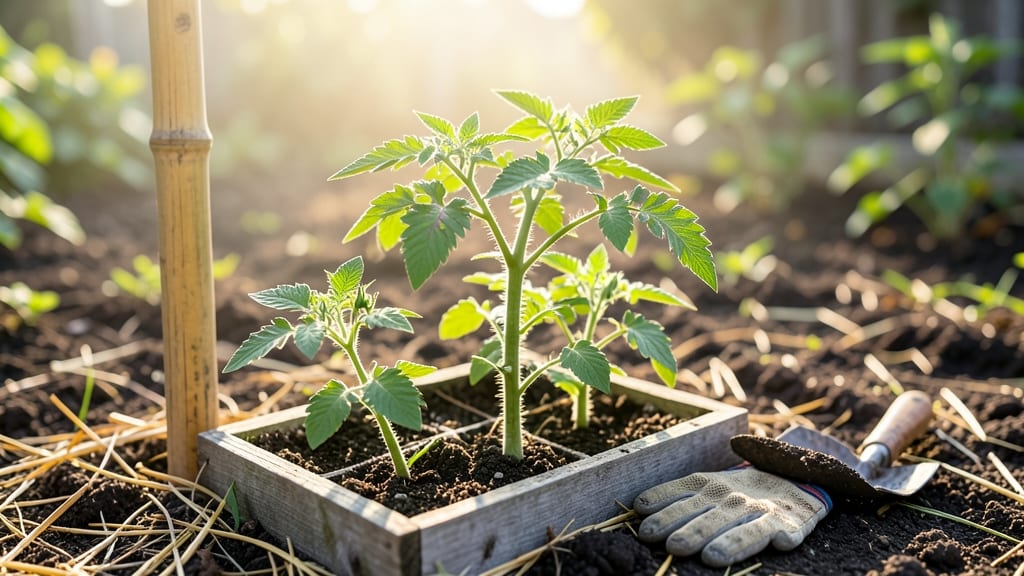
If you're a Missouri gardener dreaming of a bountiful 🍅 tomato harvest, when is the best time to plant tomatoes in Missouri—timing is the single most important factor. Plant too soon, and a late frost will turn your hard work into heartbreak.
The right window isn't just about avoiding frost; it's about giving your plants the perfect start in Missouri's unpredictable climate, where soil temperatures can swing wildly between 50°F and 80°F in just a few weeks.
Most gardeners in zones 5b-6b wait until after April 15, but that's just the beginning. The real secret lies in soil warmth—your tomatoes need temperatures above 60°F to thrive, and that can mean waiting until early May in cooler microclimates.
I'll show you exactly how to read Missouri's frost maps and soil thermometers to pinpoint your ideal planting date, whether you're growing heirlooms or hybrids.
What you'll discover isn't just a date—it's a strategy for maximizing your harvest. We'll cover how to stretch your growing season with cold frames, when to start succession planting for fall tomatoes, and even how Missouri's humidity affects your planting timeline.
No more guessing games—just data-driven deadlines tailored to your corner of the Show-Me State.
Ready to transform your garden into a tomato powerhouse? Let's dive into the precise windows that separate a mediocre harvest from a jaw-dropping one, using Missouri-specific insights that actually work. Your first perfect tomato is closer than you think.
Missouri’s tomato planting deadlines by growing Zone (with frost risk data)
Missouri’s USDA Zones 5a-6b create a unique challenge for tomato growers. The last average frost date shifts dramatically from northern Missouri (Zone 5a) to southern Missouri (Zone 6b), meaning your planting window depends entirely on where you live.
In northern Missouri, you might not see the last frost until May 15, while southern Missouri gardeners can often plant as early as April 1.
For zero frost risk, I recommend waiting until soil temperatures consistently reach 60°F (15.5°C). This threshold ensures healthy root development and prevents cold soil shock, which can stunt your plants. Use a soil thermometer to check—it’s the most reliable way to time your planting.
Here’s the breakdown by zone, including transplanting windows and direct sowing deadlines:
| Zone | Last Frost Date | Transplant Window | Direct Sow Deadline | Soil Temp Threshold |
|---|---|---|---|---|
| 5a (Northeast MO) | May 15 | May 1–May 15 | May 20–June 1 | 60°F+ |
| 5b (Central MO) | April 25 | April 15–April 30 | April 25–May 10 | 60°F+ |
| 6a (Southwest MO) | April 10 | March 25–April 15 | March 30–April 20 | 55°F+ (earlier sowing) |
| 6b (Southeast MO) | March 25 | March 1–March 20 | March 10–March 30 | 55°F+ (earlier sowing) |
If you’re transplanting seedlings, start them indoors 6-8 weeks before your zone’s transplant window. For example, Zone 5a gardeners should begin seeds indoors by March 15, while Zone 6b gardeners can start as early as January 15.
This head start gives your plants a fighting chance against Missouri’s unpredictable spring weather.
For direct sowing, use black plastic mulch to warm the soil faster. This lets you push your planting date 1-2 weeks earlier without risking frost damage. Just be sure to remove the mulch once plants are established to prevent overheating.
Missouri’s first frost typically arrives between October 15 and November 1, depending on your zone. To maximize your harvest, aim to plant heat-tolerant varieties like ‘Celebrity’ or ‘Better Boy’, which thrive in Missouri’s summer heat and can produce fruit well into September or October.
Pro tip: Check the Missouri Botanical Garden’s frost calendar or the Midwest Regional Climate Center for real-time updates. These resources adjust for microclimates (like urban heat islands or river valleys) that can shift frost dates by 1-2 weeks.
Remember, late planting isn’t a failure—it’s just a shorter season. Even if you plant in June, you can still get a small harvest by choosing fast-maturing varieties (like ‘Early Girl’, which ripens in 55 days). Just don’t expect the same yield as a spring-planted crop.
How to extend your Missouri tomato season: cold frames, row covers & succession planting
Missouri’s short growing season (just 165 frost-free days) can feel limiting for tomato lovers. But with the right strategies, you can push your harvest window by 2-4 weeks—both earlier and later in the year.
These techniques help harden plants against cold and protect blossoms from late frosts, while also extending fall production.
My favorite method is using row covers (lightweight fabric) to create a mini greenhouse effect. These covers raise soil temperatures by 5-10°F and protect young plants from light frosts down to 28°F.
For even earlier starts, cold frames (low tunnels with clear plastic) can extend the season by 3-4 weeks—perfect for USDA Zone 5b areas like northern Missouri.
🌱 How to Extend Your Missouri Tomato Season
- 📅 Early Start (March-April): Use row covers or cold frames to plant 4-6 weeks before your last frost date. Ideal for cherry tomatoes and early varieties like 'Stupice.'
- 🌡️ Heat Tolerance: Choose heat-resistant varieties like 'Solar Fire' or 'Heatmaster' for late summer planting (June-July) to avoid blossom drop in Missouri’s 90°F+ heat waves.
- 🌿 Succession Planting: Stagger plantings every 2-3 weeks from April to June for a continuous harvest. Example: Plant 10 plants in April, another 10 in May, and 5 in early June.
- 🛡️ Fall Protection: Use floating row covers or low tunnels to extend harvest into October. Remove covers during the day to prevent overheating and allow pollination.
For succession planting, I recommend starting with determinate varieties (bush types) in early spring and indeterminate varieties (vining types) in late spring. Determinates like 'Roma' produce all at once, while indeterminates like 'Better Boy' give you fruit for weeks.
Pro tip: Mark your planting dates on a garden calendar to avoid overlapping harvests.
If you’re in Zone 6b (southern Missouri), you can even try late summer plantings (June 15-July 1) with heat-tolerant varieties. Just mulch heavily to keep roots cool and water deeply every morning. I’ve had success with 'Celebrity' tomatoes planted this way, yielding small but flavorful fruit in September.
Don’t forget to harden off young plants before moving them outdoors—especially if you’re using protective gear. Gradually expose seedlings to wind and sun over 7-10 days to prevent shock. And always remove row covers during flowering to allow bees to pollinate your tomatoes.
With these techniques, you can turn Missouri’s short season into a long harvest. Start small—try one early planting with row covers or one succession batch—and expand as you gain confidence. Happy gardening! 🌱