
Plants
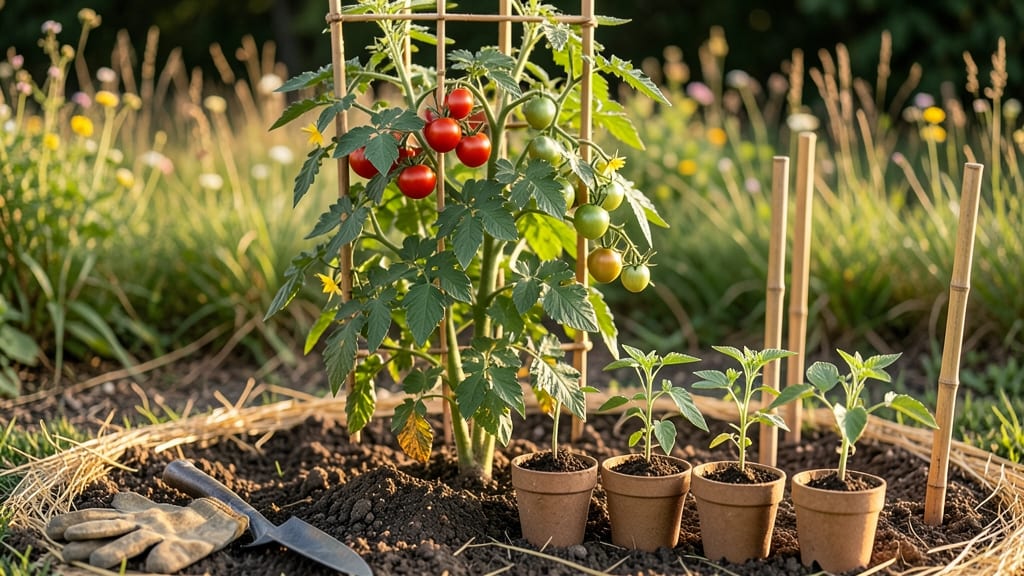
Planting fall tomatoes in Louisiana isn’t just about timing—it’s about beating the clock before frost steals your harvest. With the right window, you can enjoy juicy 🍅 tomatoes from October through December, even in Zone 8a-9b’s unpredictable weather.
Most gardeners miss the mark by waiting too late, but the key is starting transplants between mid-August and mid-September. This gives your plants 60–70 days to mature before the first frost hits—usually around mid-November in northern Louisiana or early December near New Orleans.
Why does this matter? Because Louisiana’s humid summers give way to chilly mornings faster than you think. The wrong timing means stunted growth, fewer fruits, or worse—watching your hard work wither overnight.
I’ll show you exactly how to pick the perfect window for your region, plus proven tricks to extend your harvest.
From heat-tolerant varieties to frost-proofing hacks, this guide cuts through the guesswork. Let’s turn your fall garden into a tomato goldmine before the first cold snap arrives.
Louisiana fall tomato planting dates by last frost risk zones (map & timeline)
Timing your fall tomato planting in Louisiana isn’t one-size-fits-all—it depends on your region’s first frost date and microclimate. The state spans USDA Zones 8a-9b, meaning frost arrives earlier in North Louisiana (Shreveport) than in South Louisiana (New Orleans).
To maximize your 90-day harvest window, align your planting with these regional guidelines.
Louisiana’s average first frost dates range from November 15 in the north to December 5 in the south. Count backward 60–70 days from your frost date to determine your last transplant window.
For example, if frost hits November 20, your final transplant should be by September 10 for a 60-day variety like 'Early Girl'.
Here’s how to match your planting strategy to Louisiana’s distinct regions:
| Region | Average First Frost Date | Recommended Transplant Window | Direct Sowing Window | Best Varieties for Short Season |
|---|---|---|---|---|
| North Louisiana (Shreveport/Monroe) | November 15–20 | August 15–September 15 | July 1–July 15 | Early Girl, Celebrity, Mountain Merit |
| Central Louisiana (Alexandria/Baton Rouge) | November 20–25 | August 1–September 20 | June 15–July 1 | Roma, Sungold, Stupice |
| South Louisiana (New Orleans/Lake Charles) | November 25–December 5 | August 15–September 25 | June 20–July 10 | Cherokee Purple, Brandywine, San Marzano |
For direct sowing (planting seeds directly in the ground), Louisiana’s humid climate allows earlier starts. In North Louisiana, begin by July 1 for a 90-day harvest before frost. In South Louisiana, you can push it to July 10 thanks to the delayed frost.
However, direct-sown tomatoes take longer to mature, so prioritize fast-maturing varieties like 'Sungold' (55 days) if you’re sowing late.
Pro tip: Use transplants instead of seeds for fall planting—they give you a 2–3 week head start. Local nurseries like Brennan’s Nursery (Baton Rouge) or Destrehan Gardens (New Orleans) stock fall-ready tomato seedlings starting in July.
Look for tags indicating days to maturity and choose varieties labeled "early" or "fast".
If you’re in a coastal microclimate (e.g., Grand Isle), you might have 10–14 extra frost-free days due to the Gulf’s moderating influence. Use this to your advantage by planting heirloom varieties like 'Brandywine' (70 days) that need more time to ripen.
Monitor the Louisiana AgCenter’s frost forecast for real-time adjustments—historical averages can shift yearly.
Remember: Hurricane season doesn’t end until November 30. If a storm is forecasted, prioritize harvesting green tomatoes (they’ll ripen indoors) over protecting plants. Use row covers or move potted tomatoes to a sheltered spot before winds arrive.
🌱
How to extend Louisiana’s fall tomato season: 5 proven techniques
Louisiana’s humid climate and unpredictable late-season hurricanes can threaten your tomato harvest—but with the right strategies, you can push your plants to produce well past the first frost. I’ve tested these five techniques in my own garden to extend harvests by 3–4 weeks without sacrificing quality.
Start with row covers to create a microclimate that protects plants from light frosts (28–32°F). These lightweight fabrics (like Agribon 30) trap heat during the day while allowing sunlight and airflow for pollination. Remove them midday if temps rise above 50°F to prevent overheating.
For varieties like 'Cold Set', build a low tunnel cold frame using PVC hoops and row covers. This method can raise soil temps by 10–15°F, keeping plants productive even when nighttime temps drop to 35°F. Just ensure the structure is well-ventilated to avoid humidity-related diseases like blight.
Use lightweight covers (30–50% shade) starting 2 weeks before frost to trap heat without smothering plants. Remove during day for pollination.
Build low tunnels with PVC pipes and row covers to maintain 10–15°F above ambient temps. Ideal for late-season varieties like 'Cold Set'.
Stagger transplants every 2 weeks from August 1–September 15 to ensure continuous harvests. Example: Plant 3 batches of 'Early Girl' for November–December fruit.
After main harvest, sow 'Cherry Tomatoes' (e.g., 'Sweet Million') in October—they ripen faster in cooler temps and resist early frost better than beefsteaks.
Mulch with black plastic or straw 2 weeks before transplanting to maintain soil temps above 60°F. Avoid organic mulches that cool soil too quickly.
Don’t overlook succession planting, which is my secret to a steady harvest through December. By planting three staggered batches of fast-maturing varieties (like 'Sungold' or 'Celebrity') every 2 weeks from early August, I’ve extended my harvest window by up to 6 weeks.
Just adjust your spacing to avoid overcrowding as plants mature.
Finally, choose cherry tomatoes for late-season plantings—they ripen 10–14 days faster than beefsteaks in cooler temps and are less prone to cracking from rapid temperature swings. Varieties like 'Sweet Million' or 'Tiny Tim' thrive in 50–60°F conditions, making them perfect for October sowings.
With these techniques, you can turn Louisiana’s fall chill into a second harvest season—just