
Plants
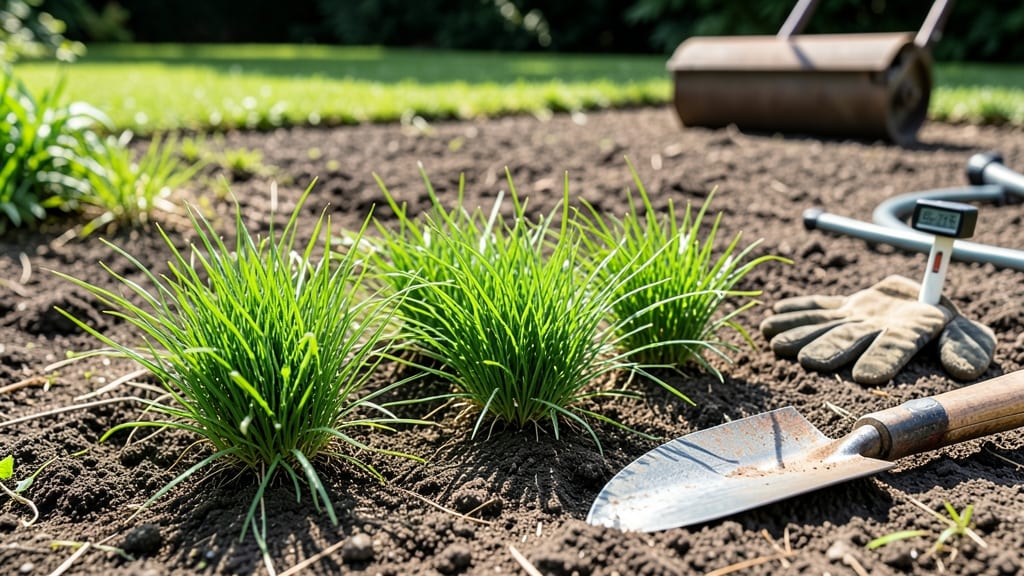
Planting Bermuda grass at the wrong time in Virginia can mean the difference between a lush, green lawn and months of patchy, struggling growth. If you're ready to transform your yard into a durable, drought-resistant carpet of grass, timing is everything—and Virginia's 6a-7b zones add extra layers to consider.
Most gardeners make the mistake of rushing into spring planting without checking soil temperatures, which should ideally hit 65°F or higher for seeds to germinate properly.
That's why knowing whether to plant seeds in late April or sod in early March makes all the difference in your grass's fast establishment and long-term health.
In this guide, I'll walk you through Virginia's ideal planting windows, how to read your local climate cues, and the critical care steps that keep your Bermuda grass thriving once it's in the ground.
Whether you're dealing with Piedmont heat or Coastal Plain humidity, these insights will help you avoid common pitfalls.
Let's dive into the exact timing and techniques that will give your lawn the competitive edge it needs to take root quickly and stay strong through Virginia's changing seasons.
Best planting windows for Virginia’s hardiness zones 6b-8a
Virginia’s diverse climate—from the cooler Piedmont region to the warmer Coastal Plain—means your Bermuda grass planting timeline should align with your specific USDA zone. The key rule? Wait until soil temperatures consistently hit 65°F or warmer, as cold soil slows germination and weakens young roots.
In Zone 6b, this typically happens by late April to early May, while Zone 8a gardeners can start as early as mid-March.
For sod installation, you’ve got a slightly wider window—early March to late April—because sod establishes faster than seeds. But seeds? Plant them after the last frost, usually mid-April to mid-May, to avoid frost damage.
Coastal areas like Norfolk or Virginia Beach can push planting to late February if soil warms early, while inland Roanoke or Blacksburg may need to wait until May.
| USDA Zone | Best Planting Window (Seeds) | Best Planting Window (Sod) | Soil Temp Threshold | Regional Notes |
|---|---|---|---|---|
| 6b (e.g., Roanoke, Blacksburg) | Late April–Early May | Early April–Late April | 65°F+ | Cooler nights; wait for consistent warmth. |
| 7a (e.g., Richmond, Charlottesville) | Mid-April–Mid-May | Late March–Early May | 65°F+ | Moderate climate; monitor soil closely. |
| 7b (e.g., Hampton Roads) | Late March–Early May | February–April | 60°F+ (warmer coastal soil) | Warmer microclimates; plant early. |
| 8a (e.g., Eastern Shore) | Mid-March–Late April | January–April | 60°F+ | Long growing season; sod can go earlier. |
If you’re in a transition zone (like the Blue Ridge Mountains), err on the side of caution. Plant sod in early April and seeds in late May to avoid late frosts.
For re-seeding existing lawns, aim for late spring (June) when Bermuda grass naturally thickens—just be prepared for slower establishment before summer heat sets in.
Pro tip: Use a soil thermometer ($10 at garden centers) to confirm readiness. Stick it 6 inches deep in the morning—if it’s below 65°F, wait a week. Bermuda grass seeds need warmth to germinate, and cool soil will leave you with patchy, slow-growing grass.
One common mistake? Planting too early in Zone 6b and risking frost damage. I’ve seen gardeners in Radford plant in March only to have their seeds wash away in April rains. Wait for stable warmth, and your grass will thank you with faster germination and thicker growth.
For Coastal Plain areas, leverage the earlier soil warming. Plant sod as early as February if your soil hits 60°F, but seeds still need 65°F+. The Atlantic Ocean moderates temperatures, so you’ll have a 2-3 week head start over inland zones.
Remember: Bermuda grass is dormant in winter, so timing matters for spring green-up.
Plant too late, and you’ll miss the peak growing season, leaving your lawn vulnerable to weeds. Zone 7b and 8a gardeners can even overseed in June for fall color, but seeds planted after July may not establish before winter.
🌱
How to tell when soil and air conditions are perfect for planting
Timing your Bermuda grass planting isn’t just about checking the calendar—it’s about reading your Virginia soil and air like a pro. The soil temperature must stay consistently above 65°F for at least a week before planting seeds, while sod can handle slightly cooler temps (around 55°F).
I’ve learned the hard way that rushing too early leads to weak roots struggling with Virginia’s unpredictable spring weather.
Start by monitoring your local air temperature trends. Look for a stretch of warm days (70°F+) with nights staying above 50°F. This consistency signals your grass is ready to thrive.
In Northern Virginia (Zone 6b), aim for late April to mid-May, while Southern Virginia (Zone 8a) gardeners can plant as early as March.
Don’t rely on guesswork—use a soil thermometer ($10 at garden centers) to check depth. The ideal planting zone is 2-4 inches deep, where Bermuda grass roots will establish.
If your soil runs cooler, wait another week or two. Pro tip: Test in the afternoon when soil is warmest for accurate readings.